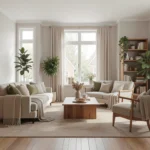

Handmade wooden centre tables bring warmth, tactility, and personality to a living room. If you love natural materials and simple shapes, these centre table living room wooden ideas give you practical ways to add handmade character without overwhelming the space.
I focused on approachable, Japandi-leaning designs that feel modern and lived-in. Each idea solves a specific decorating problem, so you can pick the one that fits your layout, storage needs, and style.
11 Handmade Centre Table Living Room Wooden Ideas
Here are eleven thoughtful, practical centre table concepts that highlight wood, texture, and real craftsmanship while keeping daily life in mind.
1. Live-Edge Slab Table for Organic Focal Point
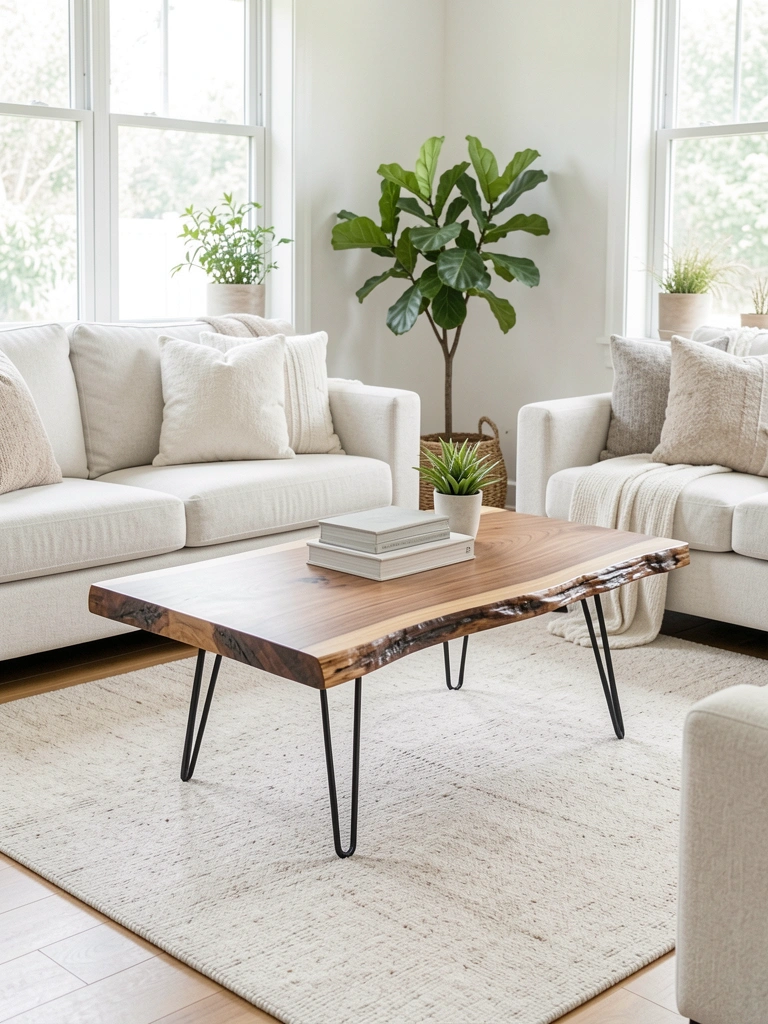
Use a single live-edge slab on slim metal legs to bring organic shape and warmth into a modern living room. It fixes the problem of a flat, predictable centre and works in both small and large rooms because the negative space under the table keeps traffic flowing.
For styling, keep the surface minimal: a small ceramic vase, a stack of two books, and a textured coaster. I often leave a corner of the grain exposed without a runner so the wood’s story shows. Finish with clear oil and simple legs to preserve the handmade feel.
Shop this idea:
- Natural Tung Oil Finish 16 oz
- 16-inch Steel Hairpin Table Legs, Black (Set of 4)
- Self-Adhesive Felt Furniture Pads, Round (Pack)
2. Reclaimed-Block Coffee Table with Hidden Storage
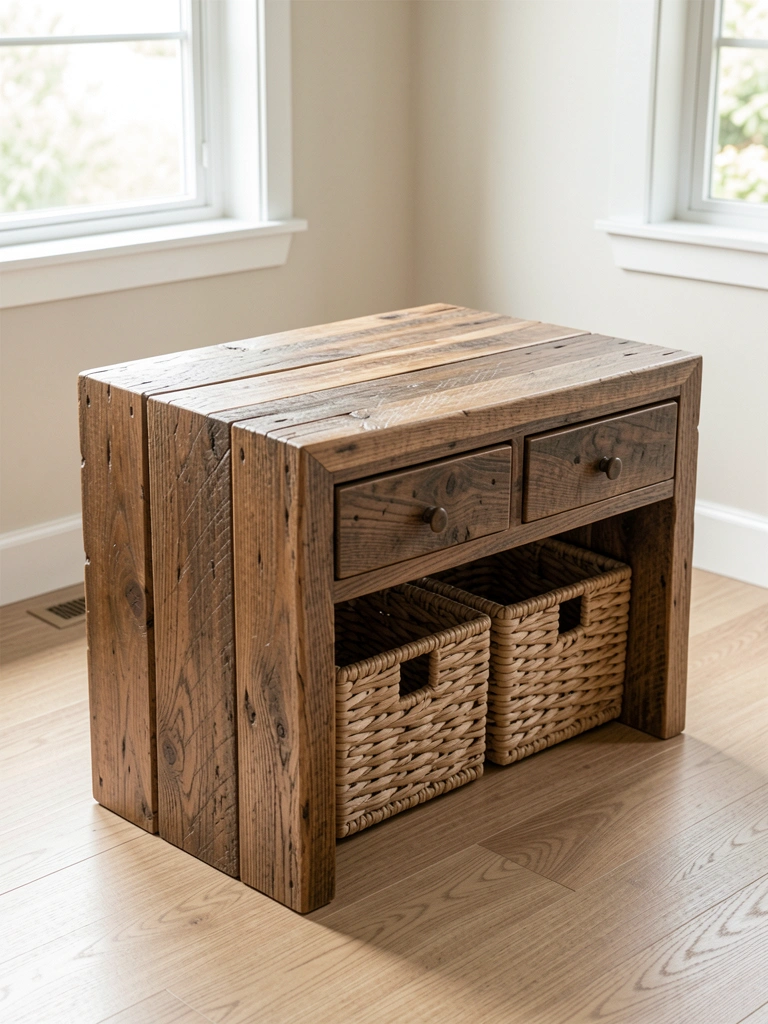
A chunky reclaimed-block coffee table with integrated drawers solves the clutter problem while keeping a solid visual anchor in the room. The heaviness reads intentional, and the storage hides remotes, chargers, and magazines without adding extra furniture.
Style it with low-contrast accessories: a shallow tray, a folded linen throw over one corner, and a small planter. I like pairing reclaimed surfaces with soft linens to soften the scale. Choose natural brass or leather pulls to keep the handmade vibe.
Shop this idea:
- Leather Drawer Pulls Set of 6
- Natural Woven Seagrass Storage Baskets (Set of 2)
- Beeswax Furniture Polish Bar
3. Low Japanese Tansu-Inspired Table for Tidy Minimalism
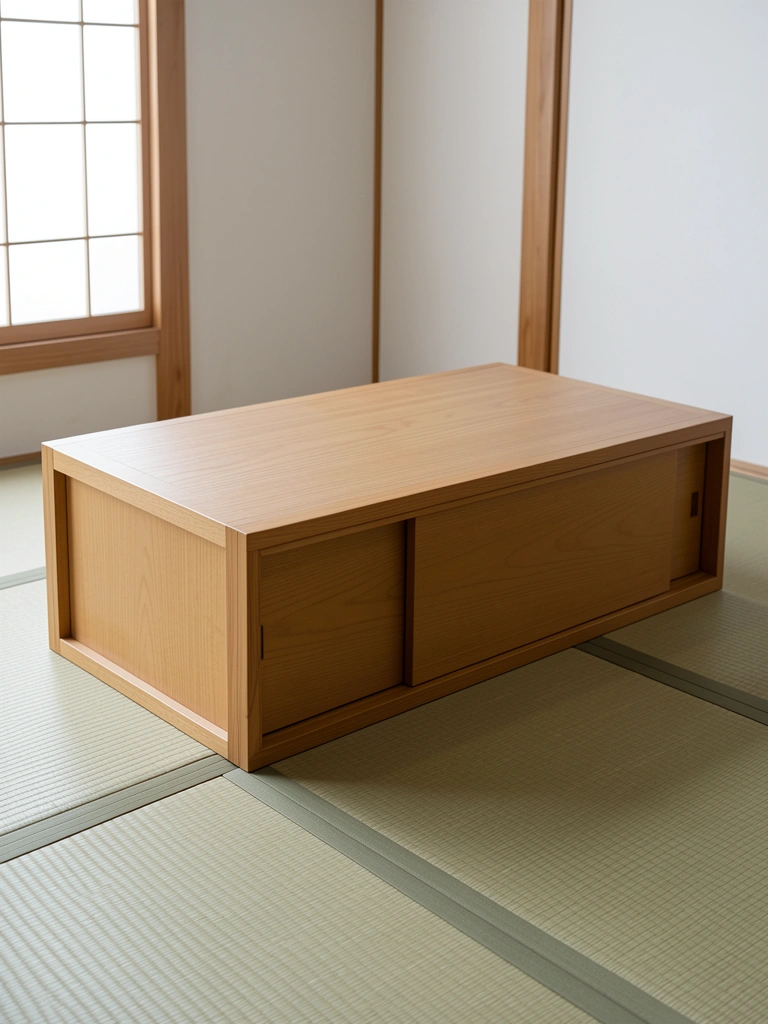
A low tansu-style table solves the need for discreet storage with clean, low profiles that keep sightlines open. Its drawers are perfect for living rooms where you want a calm, uncluttered surface while keeping essentials nearby.
I style this with a shallow ceramic tea tray, a small stack of matchbooks, and a folded linen napkin for texture. I often keep one drawer slightly ajar with a favorite throw peeking out to suggest usability without mess.
Shop this idea:
- Black Iron Cup Drawer Pulls, Tansu Style
- Japanese-Style Tatami Runner Rug Small
- Low Profile Felt Floor Protectors (Pack)
4. Nesting Handcrafted Tables for Flexible Living
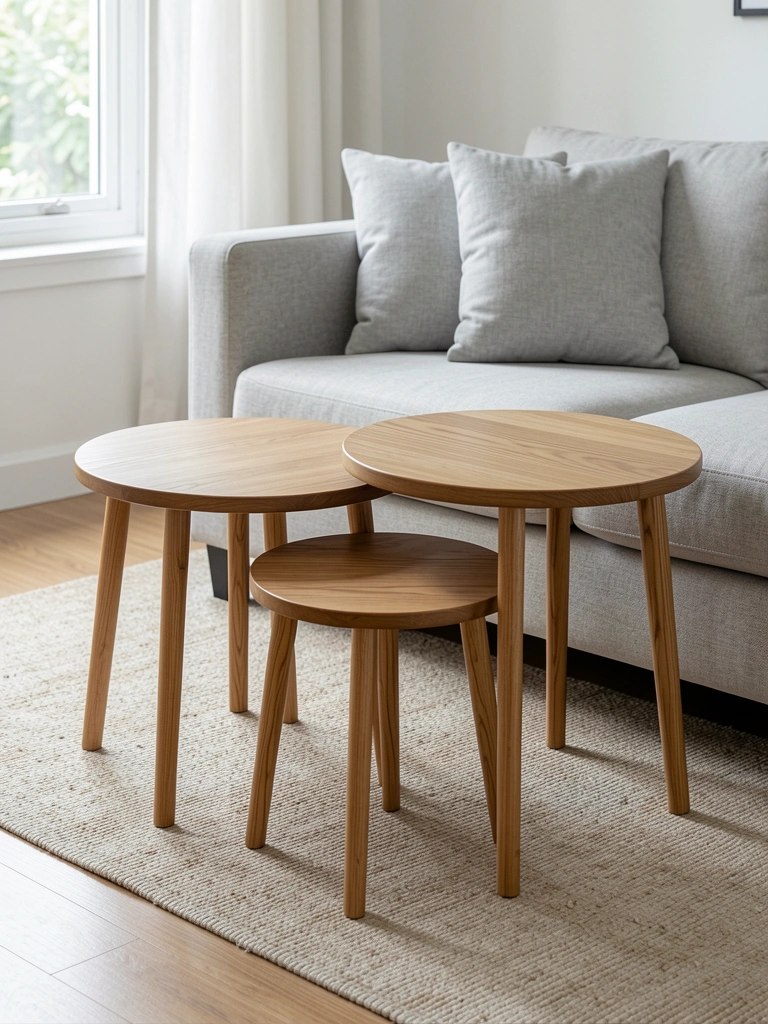
Handmade nesting tables give you flexible surfaces for drinks, laptop work, and serving guests without committing to one footprint. They solve the space-versus-function problem by tucking away when you need floor space.
Styling works best with varied heights: a small sculptural bowl, a tapered candle, and a low plant. I like to mix wood tones across the set for depth while keeping the shapes consistent. Pull the smallest table across as an occasional side when guests arrive.
Shop this idea:
- Round Wood Nesting Tables Set of 3
- Small Ceramic Decorative Bowl, Matte White
- Non-Slip Table Pads (Set of 6)
5. Turned-Wood Pedestal Table as a Sculptural Accent
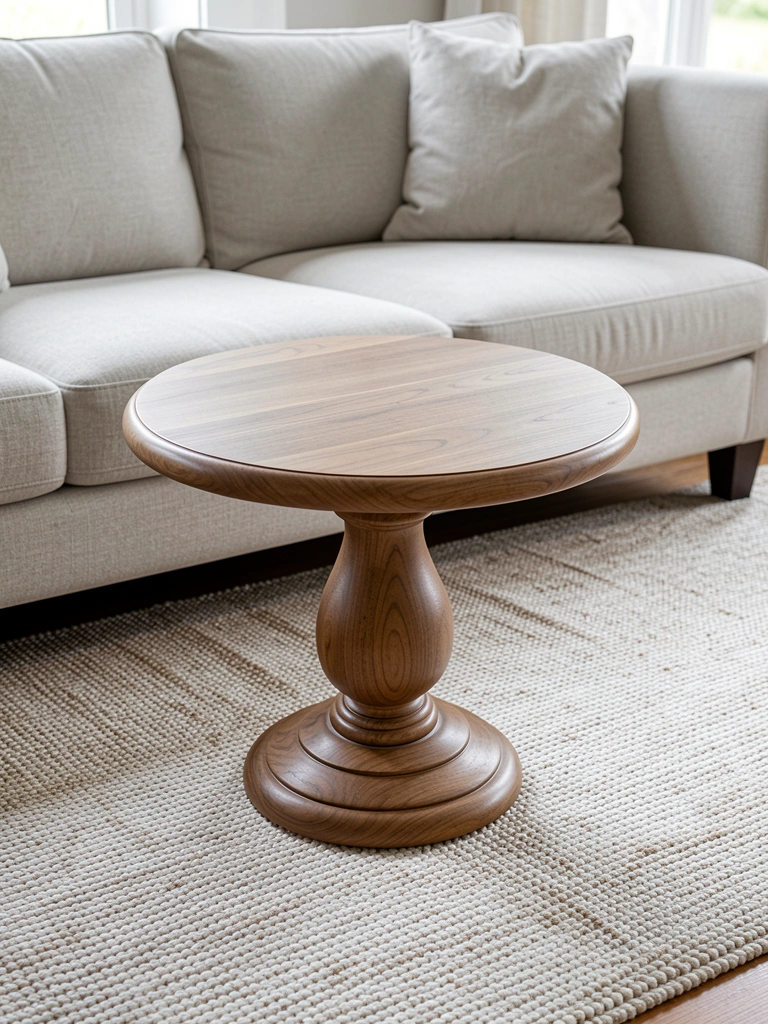
A turned-wood pedestal table gives sculptural interest without taking up visual weight. It solves the problem of needing a focal piece that doubles as a side for trays and books while keeping the room open.
Keep the top sparse: one tall ceramic vase, a hand-thrown cup, and a thin stack of design paperbacks. I often choose a pedestal with visible tool marks so it reads handmade. Pair with a soft wool rug to balance the turned silhouette.
Shop this idea:
- Solid Wood Pedestal Table Base (Ready to Finish)
- Handmade Ceramic Vase Tall, Matte Glaze
- Natural Wool Area Rug Small Round
6. Split-Level Slab with Built-In Tray for Entertaining
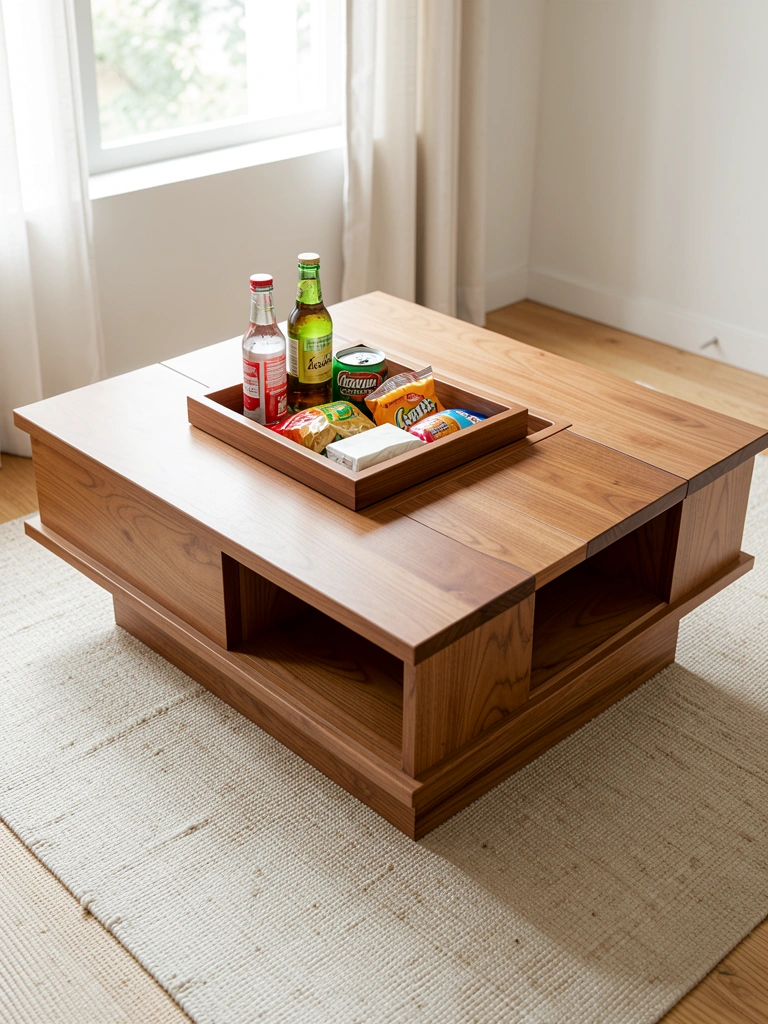
A split-level slab with a recessed tray area keeps entertaining supplies organized and prevents spills from reaching the wood. It solves the common living room problem of balancing display and function when you host.
Style the recessed tray with a small wood serving board, ceramic cups, and cloth napkins. I always keep a thin, removable tray insert so cleaning is simple. The tiered surface also gives you display space for a small object without crowding the serving area.
Shop this idea:
- Removable Wood Serving Tray Insert (Custom Fit)
- Small Bamboo Cutting/Serving Board
- Set of Linen Cocktail Napkins (4)
7. Teak Trunk Table for Durable Heirloom Storage
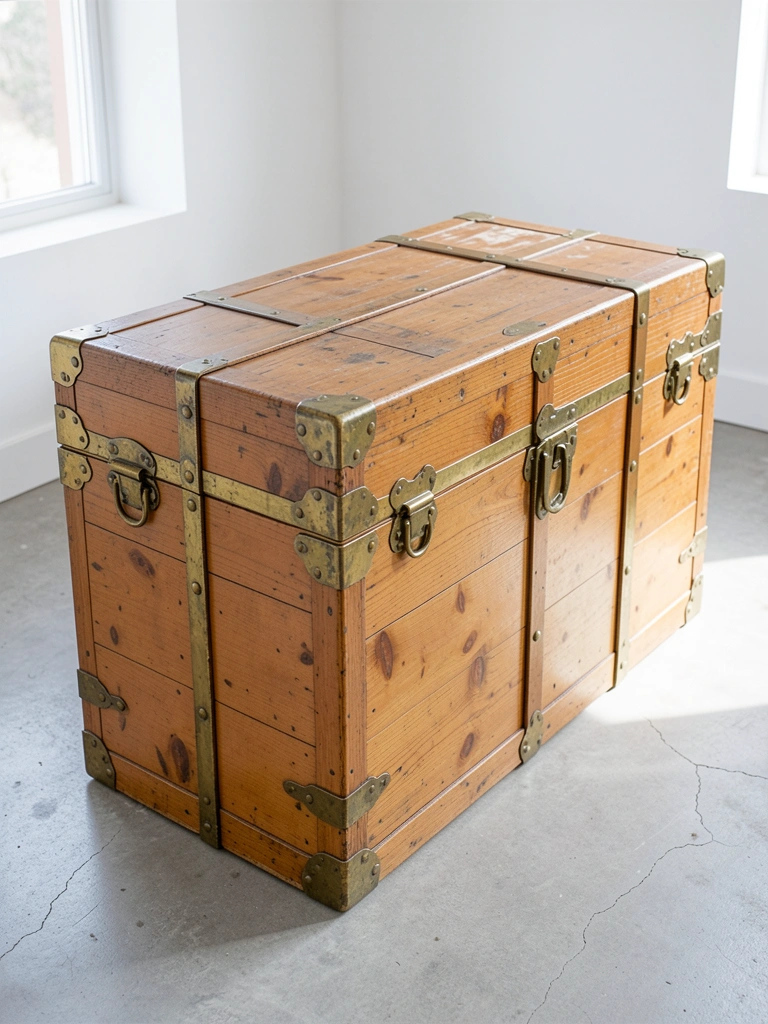
A teak trunk table is hardworking and ages beautifully, solving the durability issue in busy households. It doubles as a storage chest for throws and toys while acting as a strong visual anchor.
Style with a linen runner and an iron tray to protect the surface, and keep one corner with a low plant. I’ve used trunks where the lid serves as a casual bench during gatherings, and the patina only gets better with time. Brass accents warm the palette.
Shop this idea:
- Teak Storage Trunk Coffee Table Replica
- Metal Serving Tray, Antique Iron Finish
- Cotton Canvas Storage Bag for Inside Trunks
8. Inlaid-Pattern Coffee Table for Subtle Graphic Interest
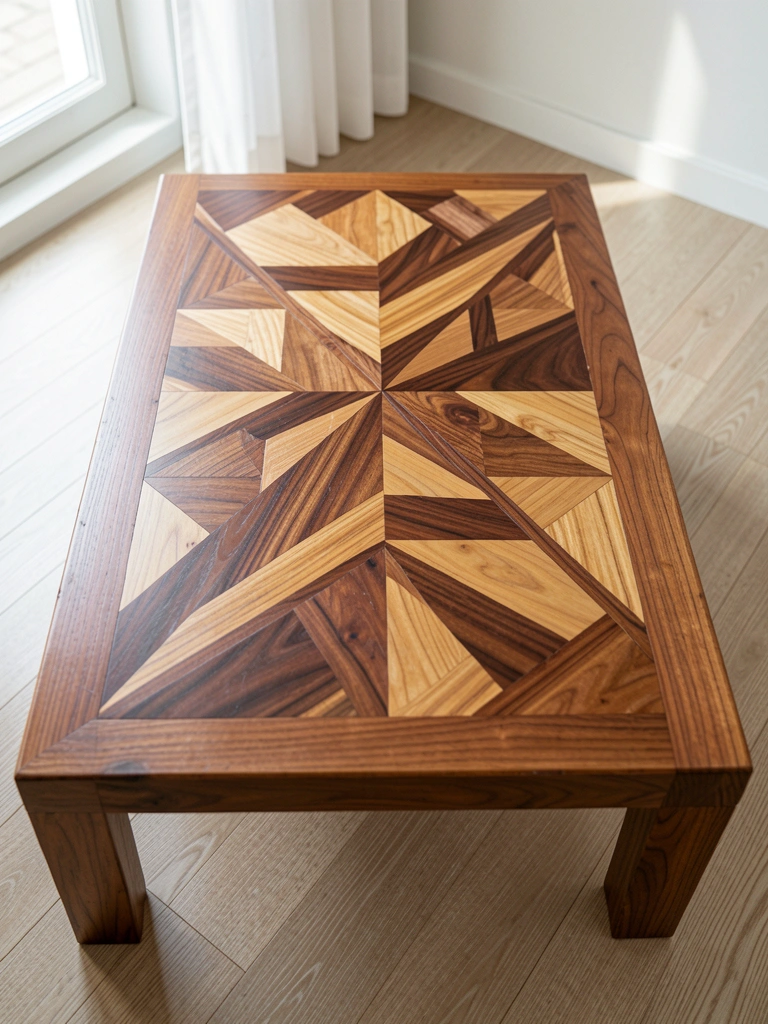
An inlaid-pattern table adds subtle graphic interest when you want a refined focal point without bright color. It solves the need for personality on a neutral sofa wall and pairs well with mid-century or minimalist seating.
Keep accessories simple so the pattern reads: a low ceramic tray, a glass vase, and a single book. I often balance intricate tops with plain woven textures in cushions so the table remains the hero. Choose warm walnut inlay against oak for depth.
Shop this idea:
- Wood Inlay Repair Kit and Veneer Strips
- Walnut and Oak Veneer Sample Pack
- Microfiber Furniture Polishing Cloths (Pack of 6)
9. Slatted Shelf Table to Keep Things Off the Floor
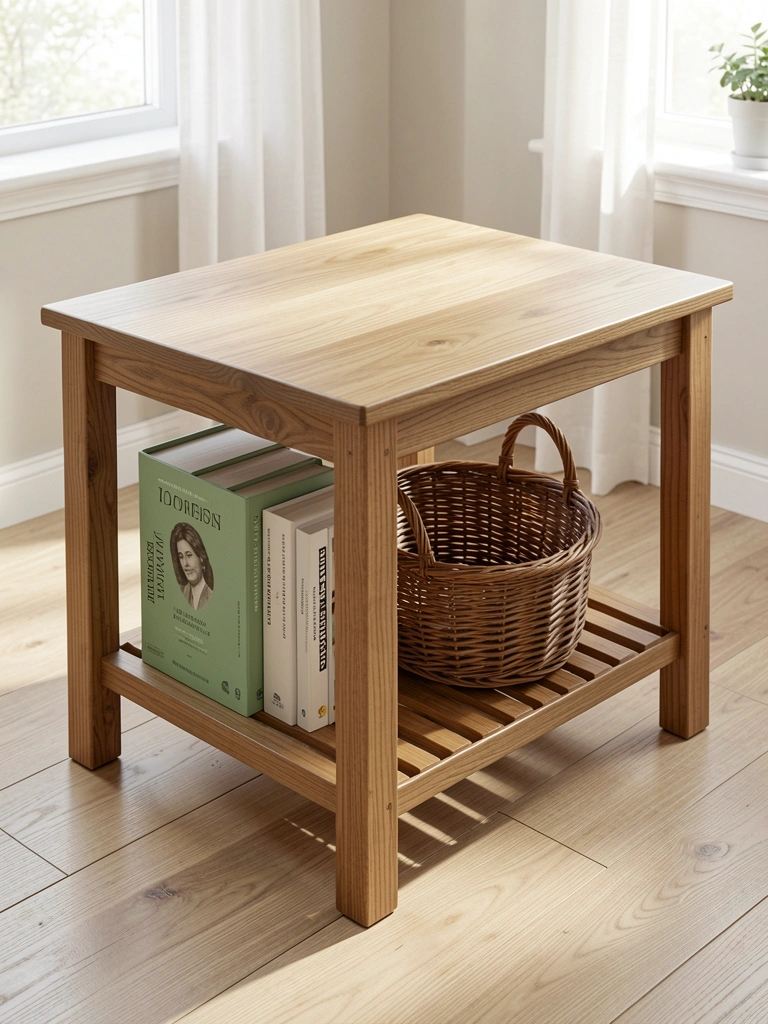
A table with a slatted lower shelf gives you visible storage without a bulky closed cabinet. It solves the everyday need to stash blankets, magazines, or a basket while maintaining a lighter visual footprint.
Style the shelf with one or two neatly stacked books and a medium basket for throws. I prefer slats that echo nearby wood grain so the table reads cohesive with shelving or TV cabinets. Keep the top uncluttered for a calm living area.
Shop this idea:
10. Round Lipped Table for Gentle Traffic Flow
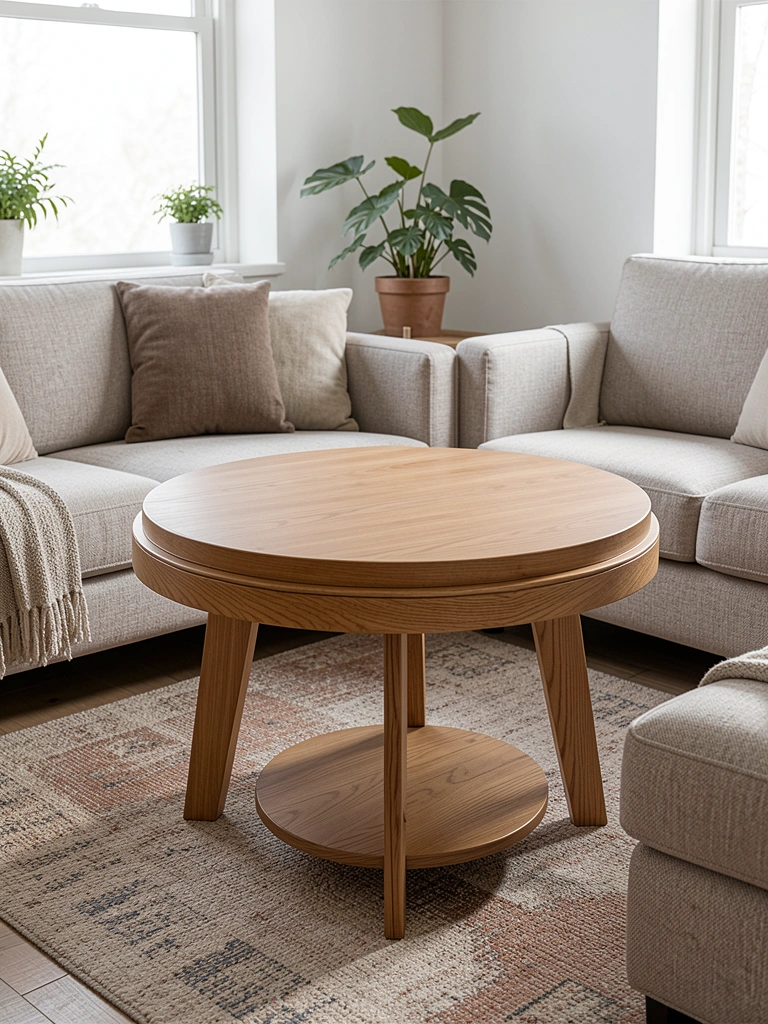
A round centre table with a slightly raised lip protects precious ceramics and helps movement in tight living rooms. It solves circulation problems and reduces accidental spills or items rolling off.
I style it with a low bowl, a small tea plant, and a jute coaster trio. Round shapes soften angular sofas and create easy conversation flow. I find that a raised edge also makes styling feel intentional rather than cluttered.
Shop this idea:
- Round Wood Coffee Table with Raised Lip
- Set of 3 Jute Coasters Natural
- Small Potted Indoor Plant in Ceramic Pot
11. Two-Tone Stained Table for Coordinated Contrast
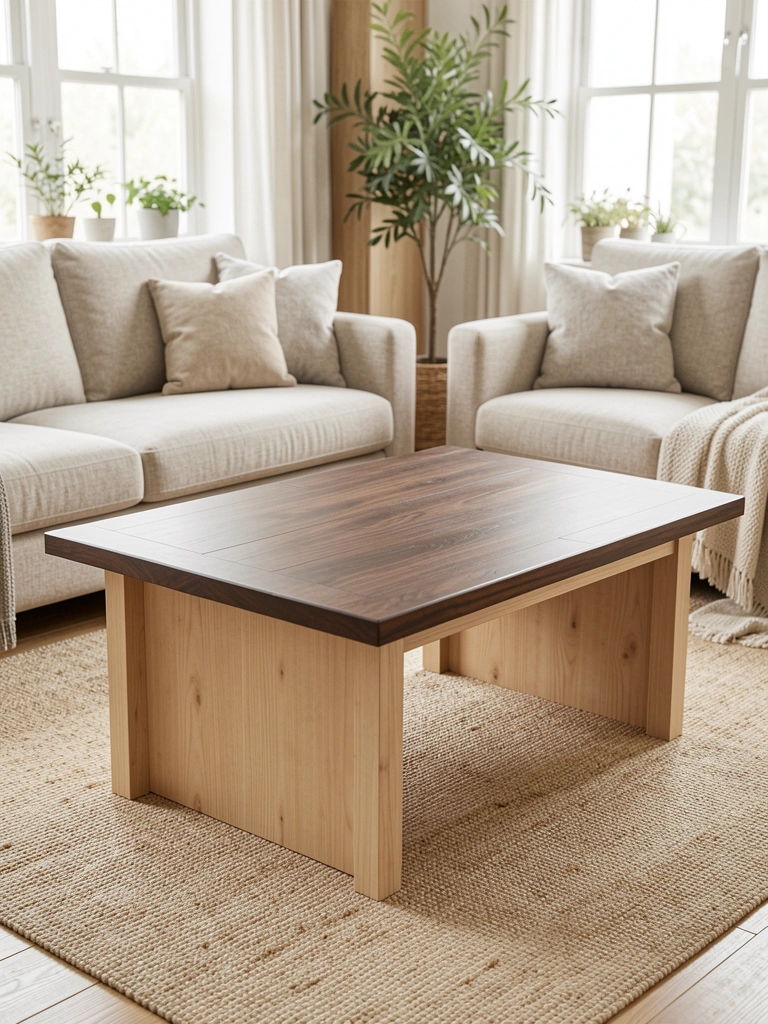
A two-tone stained table gives contrast and ties together different wood finishes in your room. It solves the common mismatch between floors, cabinets, and furniture by visually connecting tones.
Style with layered textiles: a light linen runner, a dark wood tray, and a brass candle. I often test stains on scrap wood to ensure the tones harmonize with existing pieces. The contrast adds depth without introducing extra color.
Shop this idea:
- Wood Stain Sampler Pack, 4 Colors
- Lint-Free Wood Finishing Cloths (Pack)
- Antique Brass Candle Holder Small
Final Thoughts
These handmade centre table options focus on real living needs: storage, traffic flow, texture, and a strong handmade presence. Pick one idea that solves your daily friction and let the table’s wood and finish do the styling work.
My own living room started with a simple low slab table and I changed only small accessories over years. Which problem would you like your new centre table to solve first: storage, traffic, or visual interest?
Relevant Articles