
I love modern dining room table ideas that feel calm and useful, not overworked. This list focuses on simple lines, tactile materials, and layouts that solve real dining problems.
Whether you have a compact apartment or a roomy dining area, these table concepts help you pick the right size, shape, and finish for everyday life.
16 Stylish Modern Dining Room Table Ideas
Here are practical, photo-ready dining table concepts you can actually live with—each idea includes styling tips, a real observation from my projects, and shopping links.
1. Sleek Round Pedestal for Tight Nooks
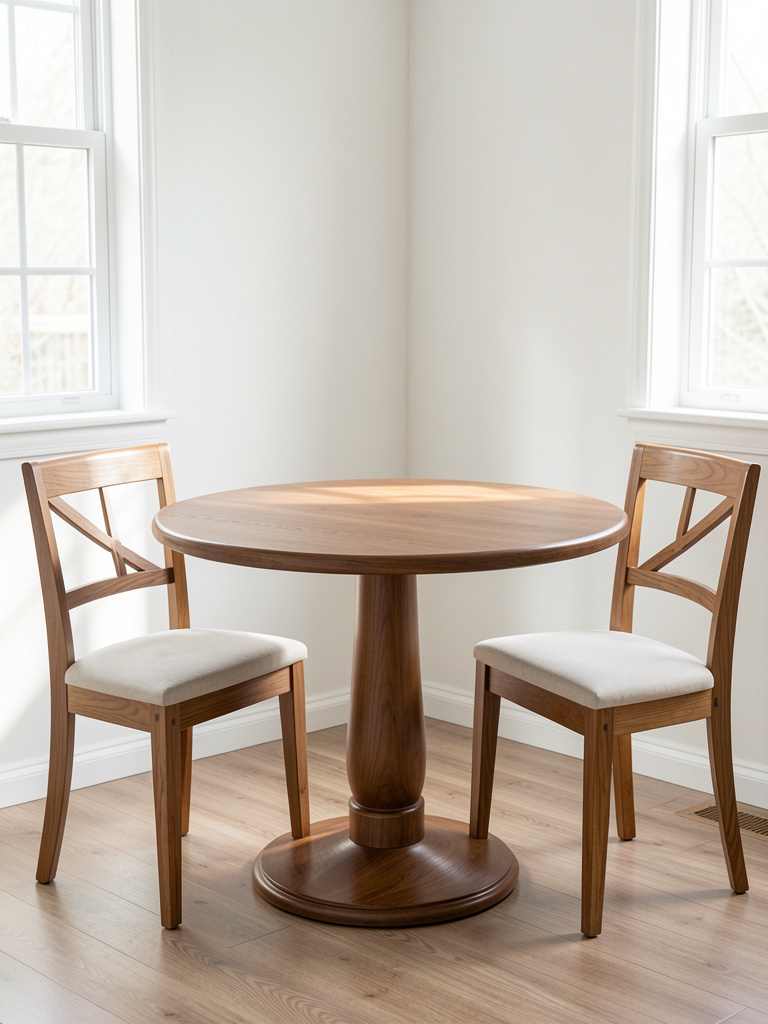
A round pedestal table frees up legroom and keeps circulation smooth in compact dining nooks. Pick a 42–48 inch top to seat four without crowding walkways. This solves the squeeze many narrow rooms face by removing corner chairs and creating a softer flow.
For styling, layer a natural fiber rug under the table and use mixed wood chairs for warmth. I often add a single low vase with seasonal stems; it feels intentional without taking table surface away from plates.
Shop this idea:
2. Extendable Mid-Century Oval for Flexible Hosting
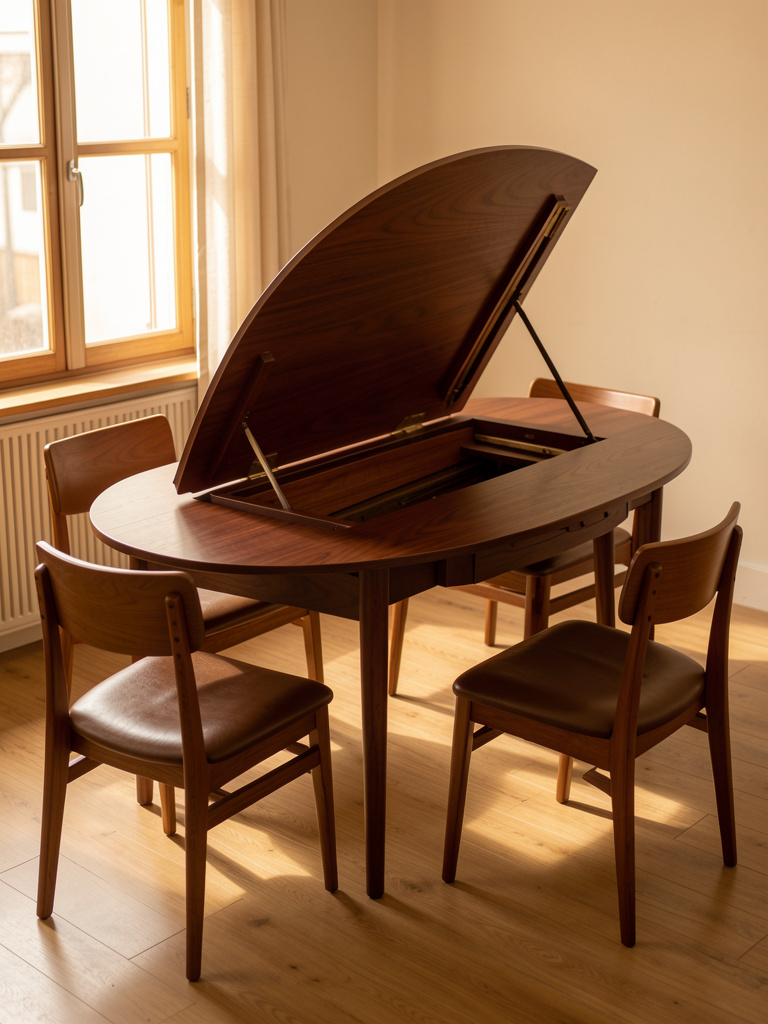
An extendable oval table gives you everyday scale and easy expansion for guests. The oval shape keeps sightlines open and softens a modern room. This is ideal when you want a daily compact table that still accommodates holiday dinners without a major furniture swap.
I like pairing the table’s slender tapered legs with woven seat chairs for contrast. When styling, keep a linen runner and low ceramic platters for serving. I’ve used this setup in rentals where storage is limited and hosting is occasional.
Shop this idea:
- Extendable Oval Dining Table Leaf Mechanism
- Mid-Century Style Tapered Dining Chairs
- Natural Linen Table Runner
3. Live-Edge Slab for Organic Modern Warmth
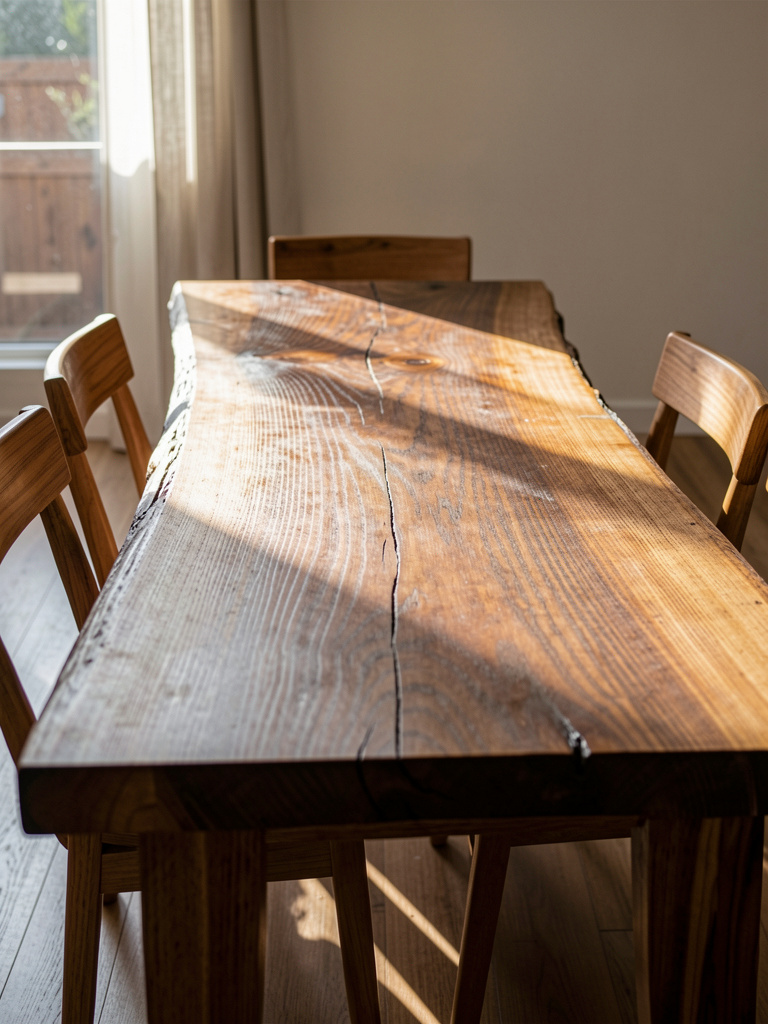
A live-edge slab brings natural character and a tactile focal point to a modern dining space. It solves blandness in minimalist rooms by adding one dramatic but honest material. Use a narrower slab for long rooms so circulation stays comfortable on both sides.
My approach is to keep surrounding elements pared-back—matte plaster walls, a simple pendant, woven seat chairs—so the wood reads as the hero. I’ve seen this table age beautifully; a light oil brings out grain without making it look shiny.
Shop this idea:
- Live Edge Dining Table Top Rustic Slab
- Natural Oil Wood Finish Kit
- Simple Woven Seat Dining Chair Pair
4. Marble Top with Brass Rim for Quiet Luxury
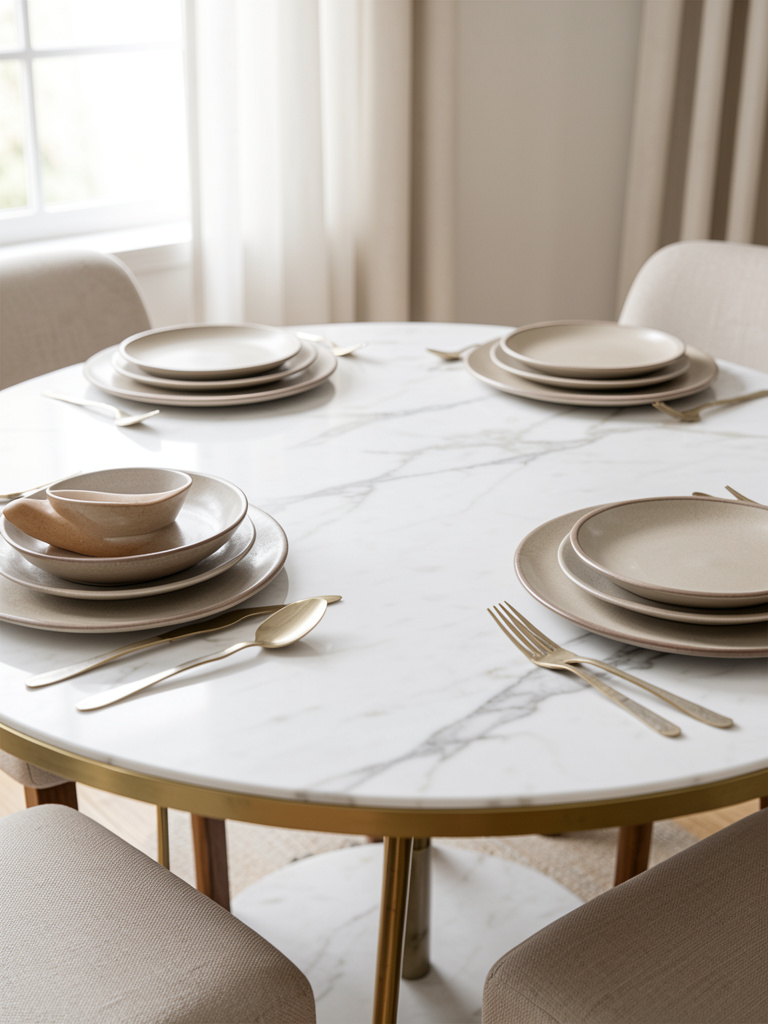
A marble top with a slim brass rim adds a subtle luxe note without feeling flashy. It answers the desire for permanence and an easy-to-clean surface that still reads refined. Use a smaller scale in modern apartments to prevent the stone from overpowering the room.
Pair the table with warm wood chairs and tactile linens to keep things approachable. I often recommend coasters and a soft placemat set to protect the stone; it keeps the piece looking curated and lived-in.
Shop this idea:
5. Concrete Top for Industrial Modern Ease
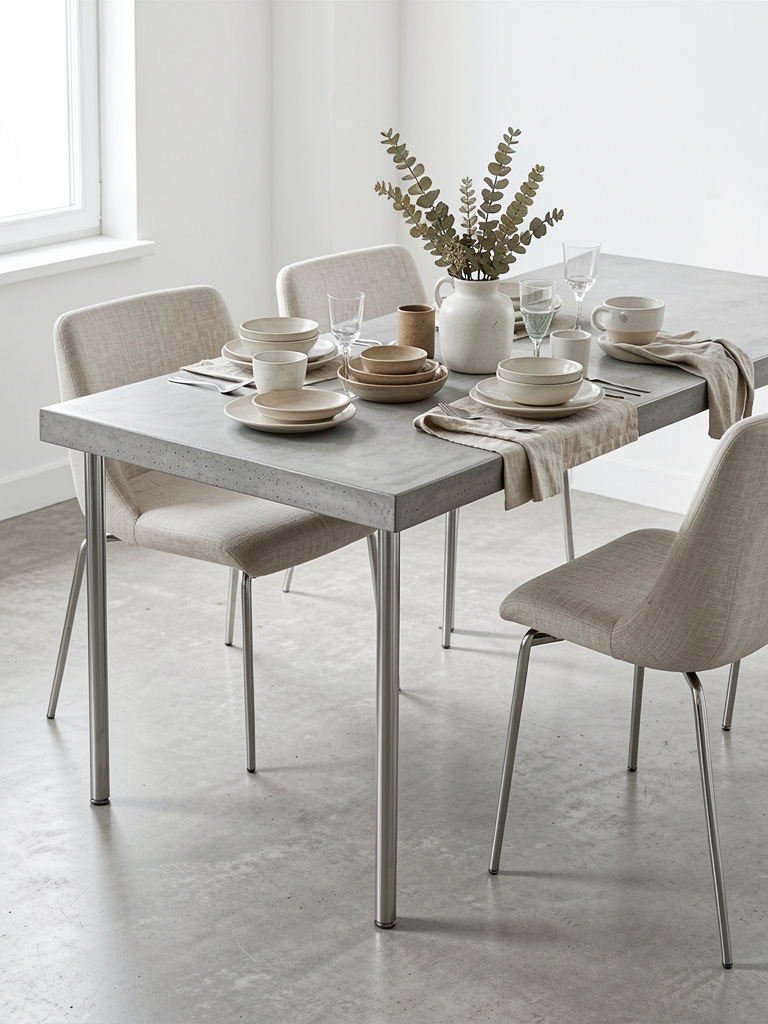
A concrete-top table gives a grounded, modern look and resists scratches and heat. It’s perfect for open-plan spaces where you want the table to feel architectural. The heavier visual weight is balanced by thin metal legs to keep the room feeling airy.
When styling, soften concrete with a warm rug and wooden chairs. I often add a runner in soft wool and a wooden chopping board for serving; it humanizes the material and invites touching without worry.
Shop this idea:
6. Glass Top with Sculptural Base for Lightness
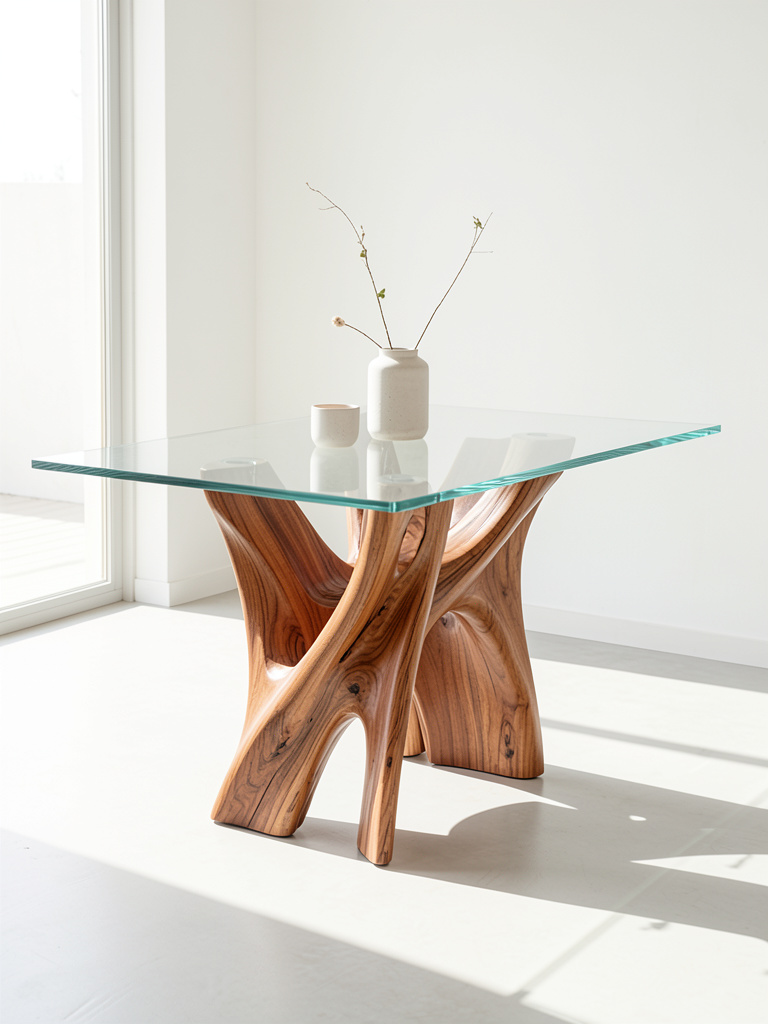
A glass top keeps sightlines open and allows a sculptural base to become the focal point. This solves tight visual clutter in smaller dining areas by letting light pass through. Choose tempered glass for durability and a base in wood or metal to anchor the look.
I recommend a low-profile rug and simple tableware so the base reads like art. In my projects glass tables make the room feel larger overnight, though I always suggest an easy cleaner nearby for fingerprints.
Shop this idea:
7. Two-Tone Painted Base with Natural Top for Soft Contrast
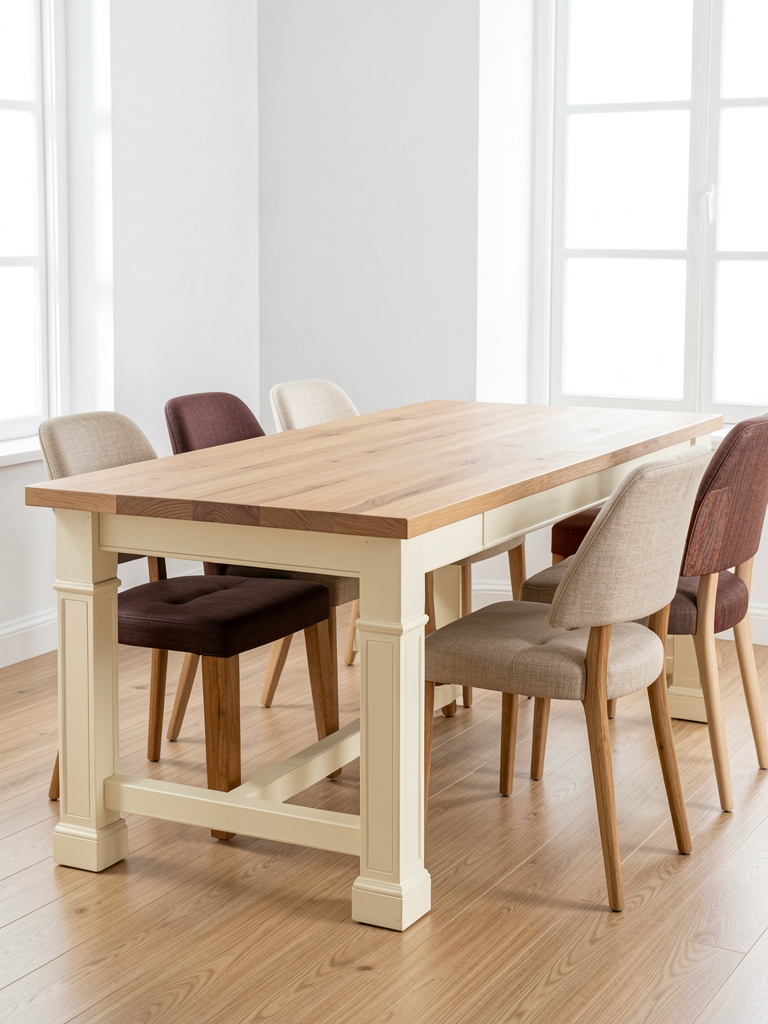
A painted base with an exposed wood top adds depth without heavy color. It solves the need for visual interest while staying calm. This approach fits modern cottage and Japandi adjacencies and works well when you want contrast without bold hues.
Styling should emphasize texture: woven placemats, linen napkins, and a ceramic pitcher for centerpieces. I often paint bases in muted sage or soft gray; they hide wear and make small chips look intentional.
Shop this idea:
8. Console-to-Table for Flexible Living-Dining
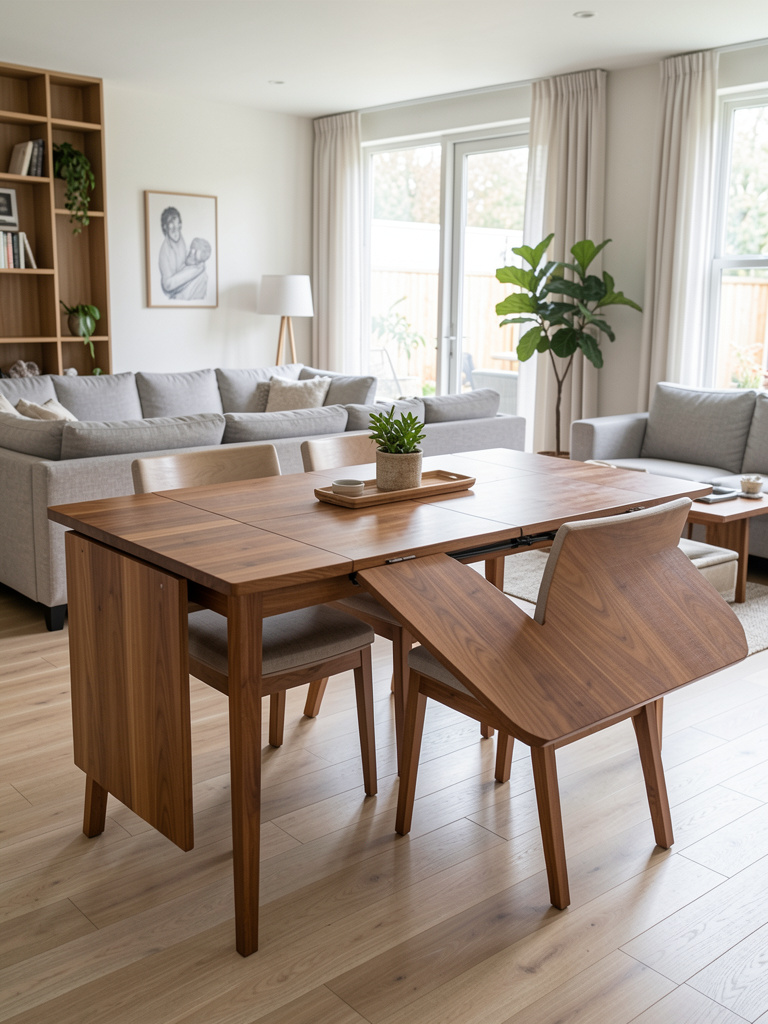
A console-to-table converts living-room furniture into a workable dining surface when needed. This solves space crunches in studios and shared rooms, offering occasional dining without permanent bulk. Choose a model with sturdy folding leaves and quality hardware for longevity.
Keep chairs stackable or foldable nearby and style with narrow placemats that tuck away. I’ve recommended this solution to clients who rarely host but want a proper table when friends come over.
Shop this idea:
9. Counter-Height Table for Casual, Bar-Style Living
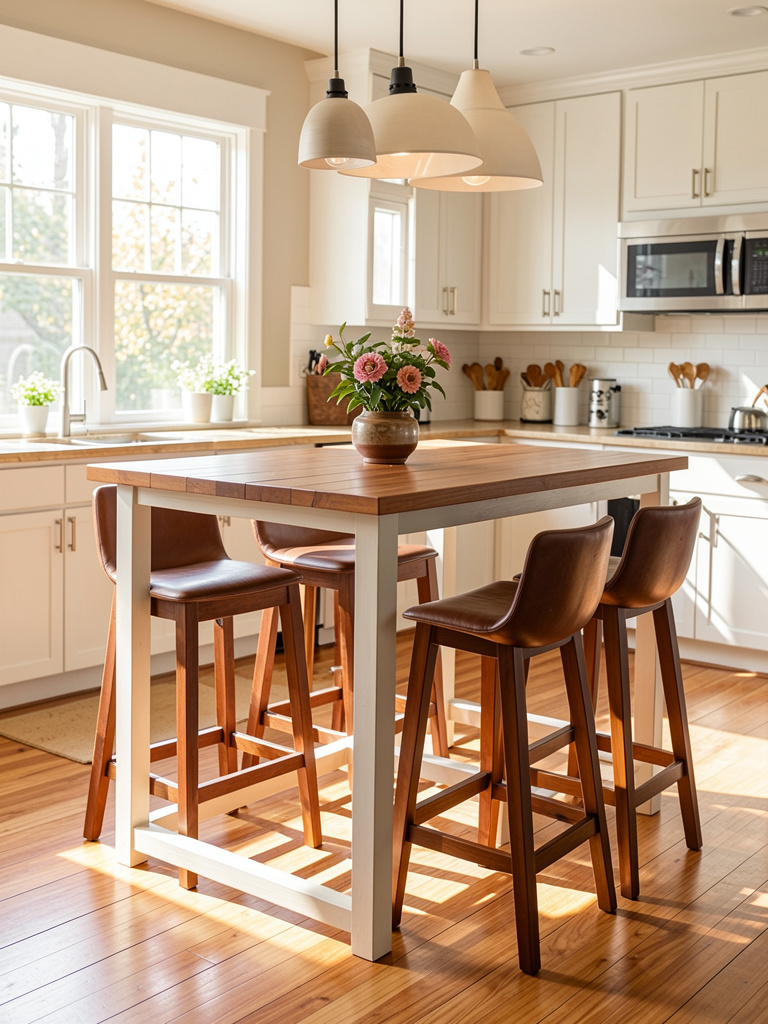
A counter-height table creates a casual, social dining zone between kitchen and living areas. It solves the need for a more relaxed posture when you host casual meals or use the table as a work surface. Stools tuck under easily, saving space.
For comfort, add cushions to bar stools and a foot rail if possible. I often specify a durable finish for these tables because they double as prep space and take more daily wear than standard-height tables.
Shop this idea:
10. Round Farmhouse with Bench for Family-Friendly Flow
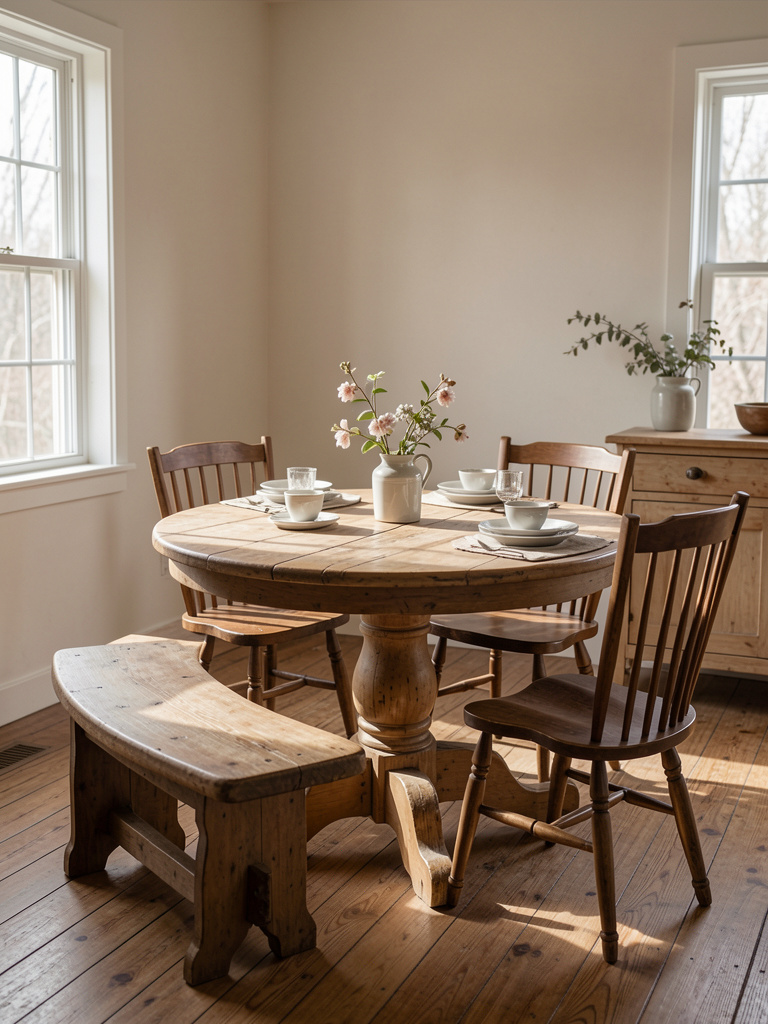
A round farmhouse table paired with a bench maximizes seating and keeps the space informal. It solves family logistics by offering flexible seating and easy entry for kids. The bench tucks partially under the table to free floor space when not in use.
Layer a chunky runner over the center, and use washable chair pads for everyday practicality. I’ve found benches help with circulation since they allow people to slide in from either side quickly.
Shop this idea:
11. Minimal Japandi Oak Pedestal for Calm Dining
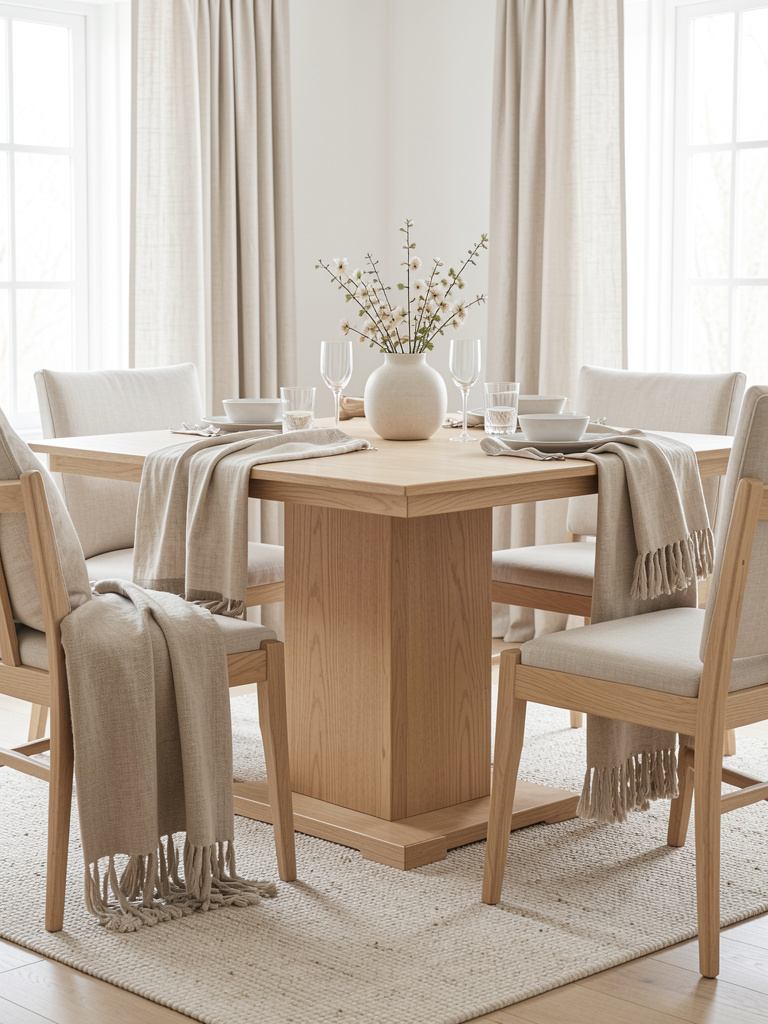
A minimalist oak pedestal table embodies Japandi restraint and solves cluttered aesthetics with clean lines and warm wood. It’s perfect if you want a serene, clutter-free dining area that still invites touch and use.
Keep accessories restrained: a wooden tray, linen napkins, and a single ceramic bowl. In projects, I prefer an honest finish that shows grain; it reads more relaxed than glossy varnish and feels lived-in from day one.
Shop this idea:
12. Trestle Table with Reclaimed Top for Durable Character
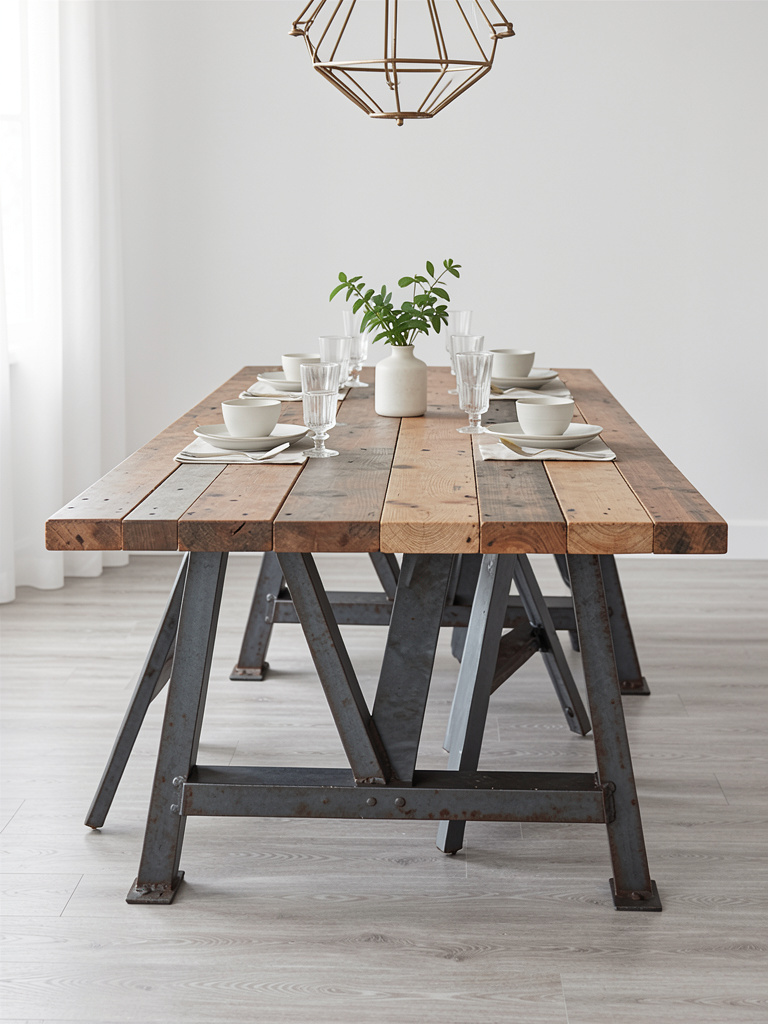
A trestle table with a reclaimed top offers durability and a lived-in look that’s forgiving of daily life. It solves the need for a robust surface that can host everything from crafts to dinner, and it pairs well with bench seating.
I like to highlight the wood’s imperfections with soft lighting and natural textiles. In my experience, guests appreciate the comfortable scale and the table’s ability to mask minor scratches and dents.
Shop this idea:
13. Drop-Leaf Folding Table for Balcony or Studio
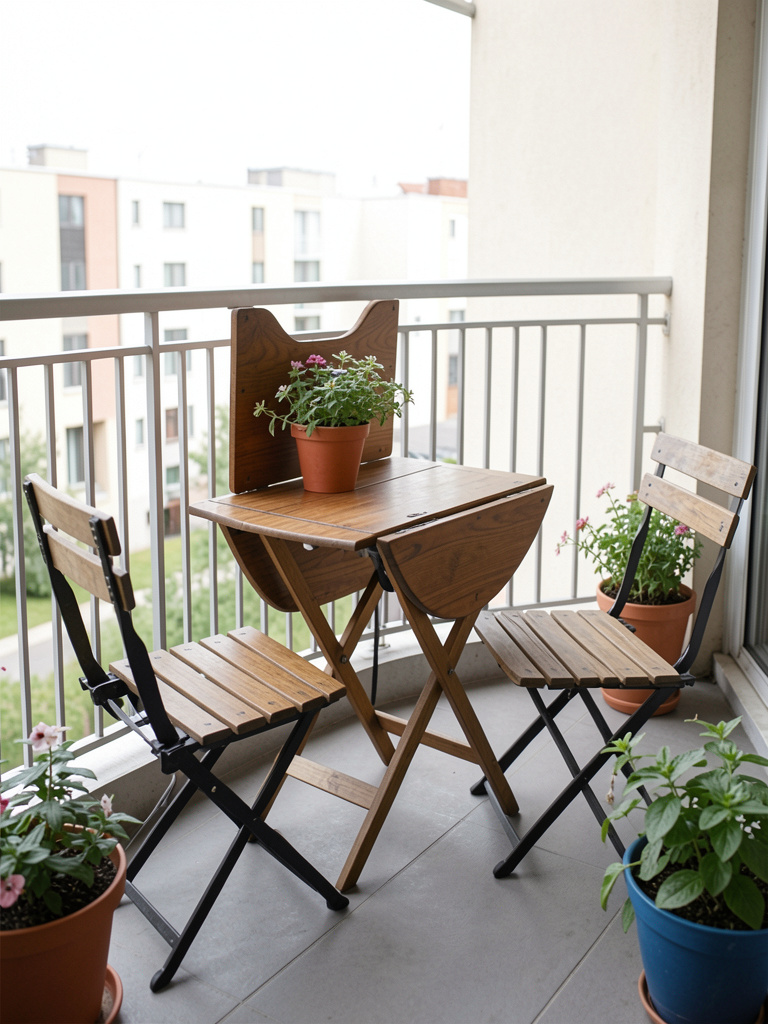
A drop-leaf table makes tiny balconies and studios usable for dining without permanent bulk. It solves space constraints by folding flat when not in use and expanding when needed. Choose weather-resistant materials for outdoor spots.
Style with stackable chairs and a small rug for warmth. I like portable lanterns or a slim planter on the table edge so mornings feel intentional without stealing precious surface area.
Shop this idea:
14. Black Oak Rectangular for Moody Contemporary Dining
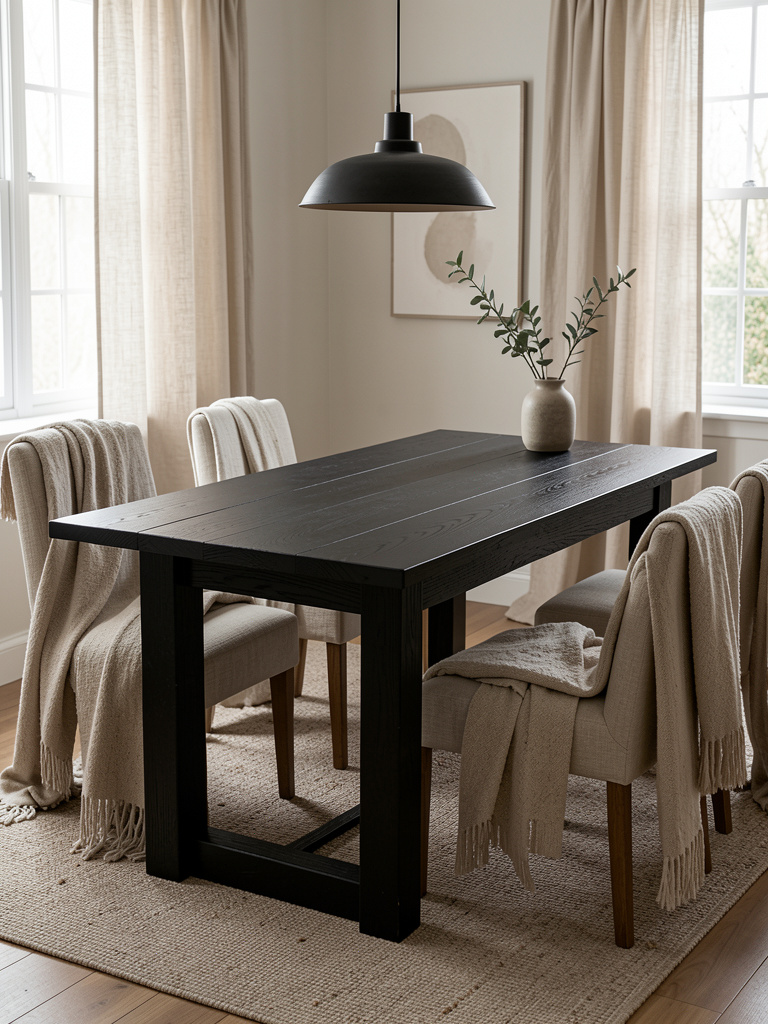
A black oak table introduces a moody, modern edge while remaining versatile. It solves the need for a dramatic anchor without heavy ornament. In rooms with lighter walls and natural light, black wood adds contrast and depth.
Pair with mixed materials: rattan chairs, brass accents, and a warm rug to avoid feeling cold. I often recommend a matte finish so light skims across the grain and keeps the piece feeling tactile, not flat.
Shop this idea:
15. Tulip Pedestal with Marble for Retro Modern Charm
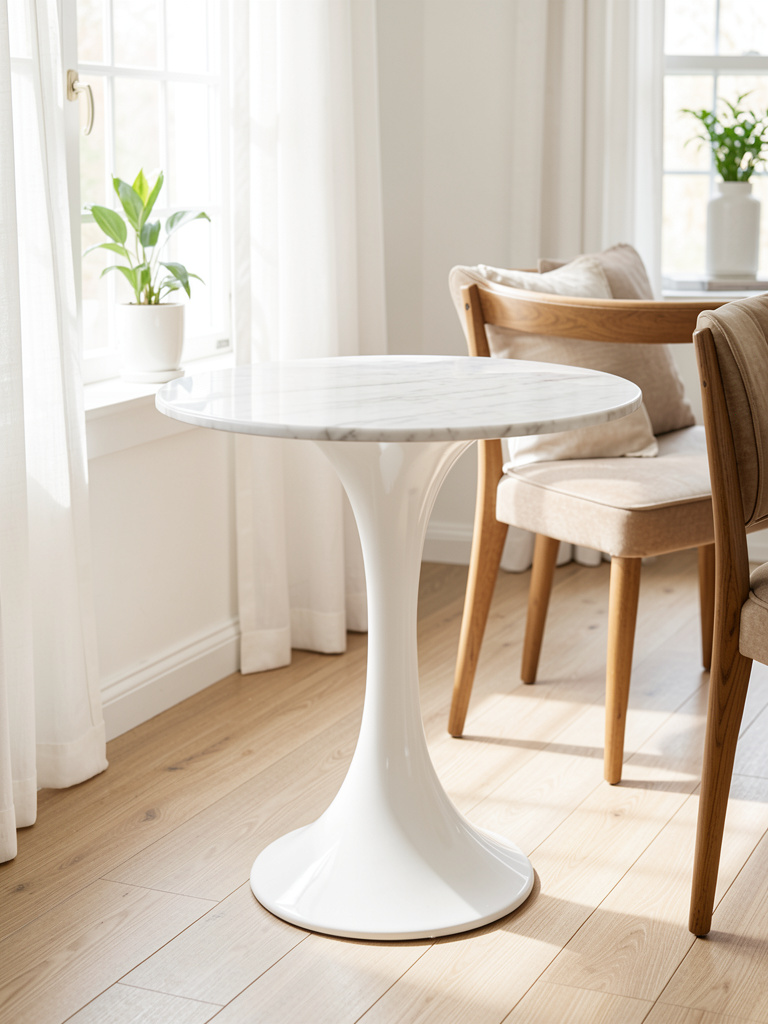
A tulip pedestal table gives retro-modern curves and an easy clean edge. The single base frees up knees and creates a sculptural silhouette. It solves awkward chair leg collisions and suits small dinners or breakfast nooks.
I style this with molded chairs and soft linens to keep the look approachable. In my houses, the tulip table becomes an instant focal point because its shape reads modern without fuss.
Shop this idea:
16. Mosaic Tile Top for Mediterranean Pattern and Durability
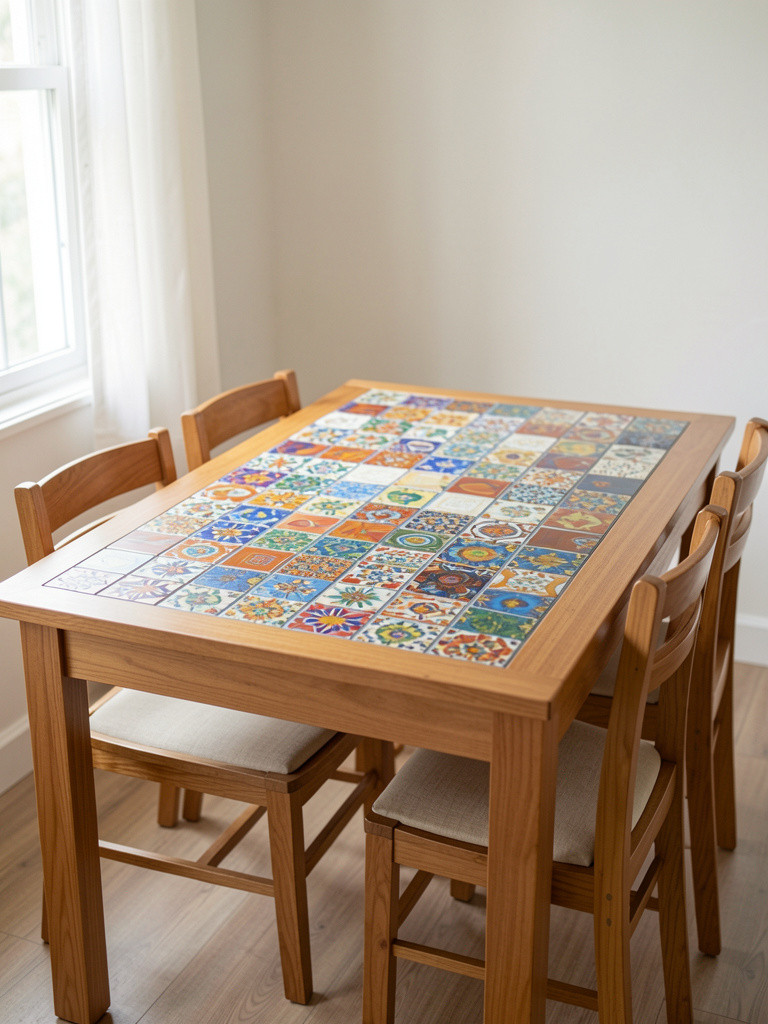
A mosaic tile top introduces pattern and a durable surface that hides stains well. It solves the need for a table that can handle lively meals and still look styled. Choose subdued colorways to keep the look modern rather than fussy.
Keep surrounding decor neutral and echo one tile color in small accents like napkins or a vase. I’ve used tile tops in sunlit breakfast rooms where their cheerful surface masks daily wear and keeps cleanup simple.
Shop this idea:
- Mosaic Tile Dining Table Top Kit
- Outdoor-Grade Table Grout and Sealer
- Waterproof Table Mat Protector
Final Thoughts
These modern dining room table ideas focus on finding the right shape, material, and scale for your everyday life. Pick one detail—shape, finish, or functionality—and start there; a single swap can refresh the whole room.
I often begin with a rug and a lighting change before buying a new table; small shifts reveal what the room actually needs. Which table idea feels like the next step for your space?
Relevant Articles