
Victorian living room ideas modern can feel both gracious and livable. Here I show ways to keep period proportions while updating surfaces, scale, and textures so the room actually works for everyday life.
These ideas mix old and new with practical styling tips you can use right away.
15 Fresh Victorian Living Room Ideas Modern
To help you edit a heavy Victorian scheme, each idea focuses on one clear decorating win: seating, scale, light, or traffic flow, with Pinterest-ready styling visuals.
1. Reupholstered Chesterfield Sofa for Period Scale and Comfort
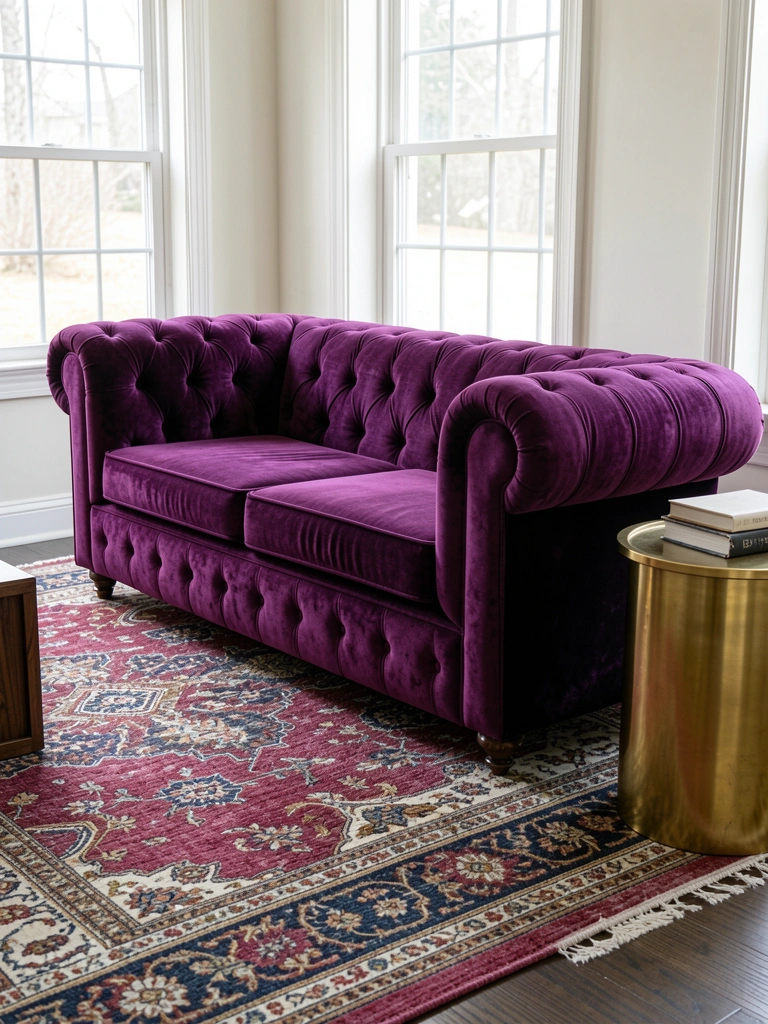
A classic Chesterfield keeps Victorian scale but feels modern when reupholstered in a matte velvet or wool blend. Place it opposite the fireplace to anchor conversation and solve awkward circulation by aligning seating with doorways rather than walls. The tufted silhouette reads historical, while a streamlined base keeps the look fresh and less heavy.
I usually pick a slightly muted jewel shade and pair it with linen cushions and a low-profile sofa table. Warm brass, dark wood, and a wool rug balance the velvet and keep the palette cozy without feeling dated.
Shop this idea:
- Matte Velvet Upholstery Fabric Sample Pack
- Sofa Leg Draft Stoppers (Protective Felt Pads)
- Button Tufting Repair Kit for Upholstery
2. Two-Tone Mantel Paint to Modernize the Fireplace
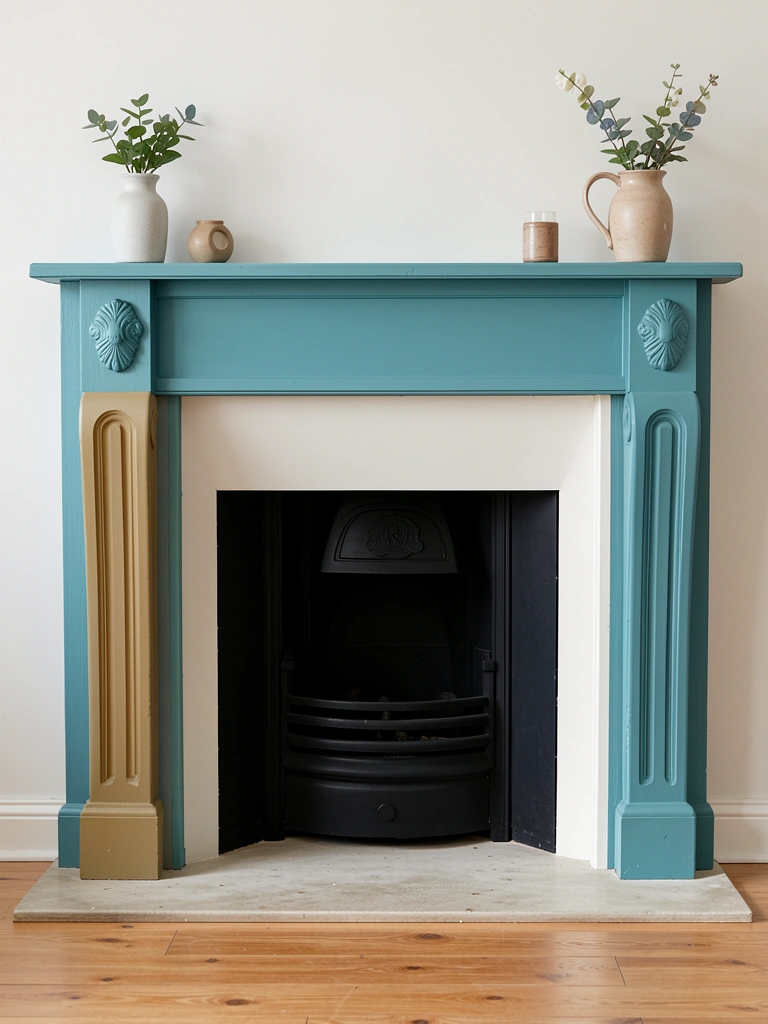
Instead of replacing a mantel, repaint it in a two-tone scheme: a soft moody color on the surround and a warm neutral on the inset. This clarifies the architectural detail and gives the hearth a cleaner, more contemporary presence. It solves the problem of an ornate fireplace that overwhelms a compact seating plan by visually slimming the surround.
When I paint mantels, I keep the finish satin rather than glossy and add a modern brass candleholder and a simple mirror above. A darker hearth tile or rug anchors the composition and echoes the surround color.
Shop this idea:
- High-Quality Trim Paint in Satin Finish
- Small Angled Paint Brushes for Detail Work
- Heat-Resistant Hearth Tile Sample Pack
3. Layered Rugs to Anchor Seating and Protect Floors
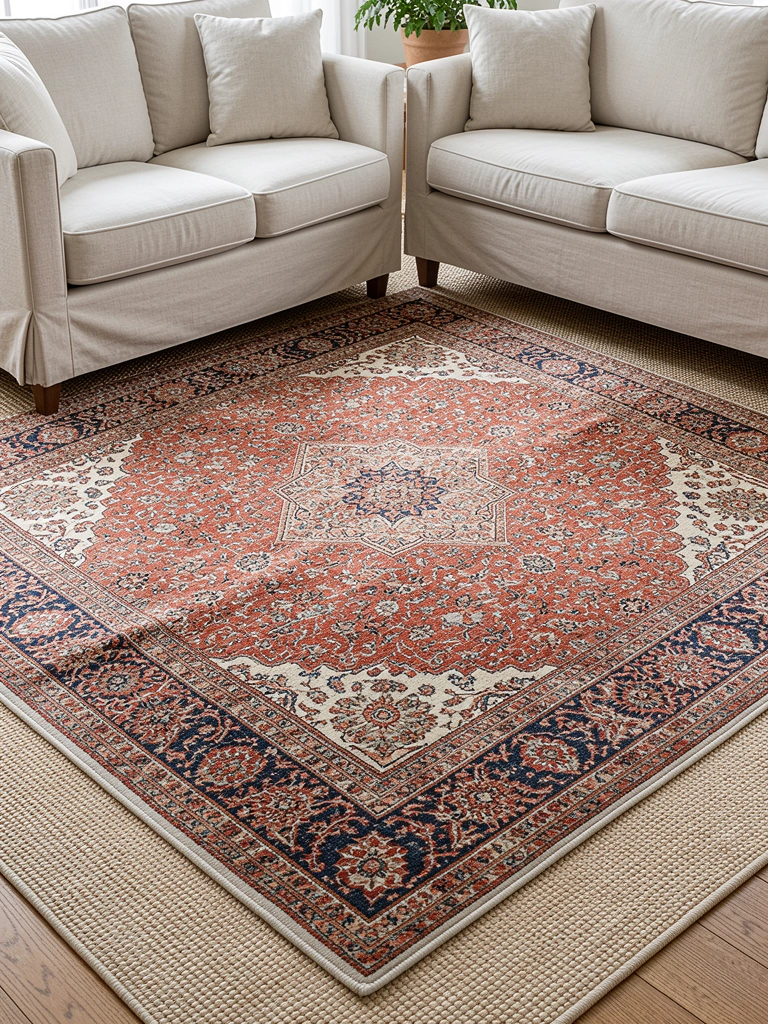
Layering a smaller patterned Persian or reproduction rug over a larger natural-fiber rug creates depth and keeps traffic wear off delicate pieces. Position the top rug so all front legs of seating sit on it to define the conversation area. This approach solves the visual problem of too-much-pattern by using a grounding neutral base and lifts the seating group away from cold floors.
I often use a thin rug pad between layers so the top rug does not slip. Textured neutrals, muted reds, and warm ochres work well together for an authentic but updated Victorian palette.
Shop this idea:
- Non-Slip Rug Pad (Cut-to-Size)
- Vintage-Style Area Rug (Reproduction Persian)
- Natural Sisal Rug (Large)
4. Floor-to-Ceiling Arched Drapery to Emphasize Height
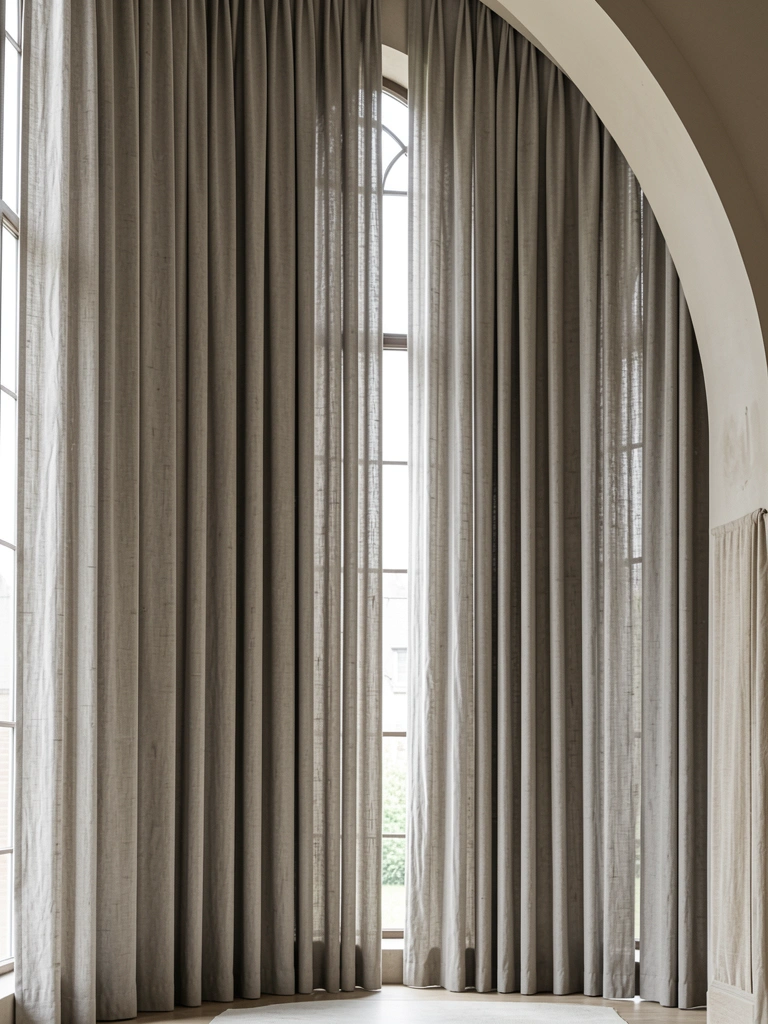
Mount curtain rods high and hang long arched drapery to celebrate Victorian ceiling heights and soften tall windows. Full-length linen or wool-blend panels skim the floor and make the room feel grand without fuss. This fixes the common problem of awkwardly short curtains that chop the wall and make the ceiling feel lower.
I prefer neutral woven fabrics that filter light rather than block it and add heavier tiebacks at the sides for a tailored look. Leather or brass ring hardware adds a subtle modern edge and repeats other metal accents in the room.
Shop this idea:
- Linen-Blend Curtain Panels (Pair)
- Adjustable Heavy-Duty Curtain Rod Set
- Ball Finial Brass Curtain Rings (Pack)
5. Mirror Cluster Over the Mantel to Bounce Light
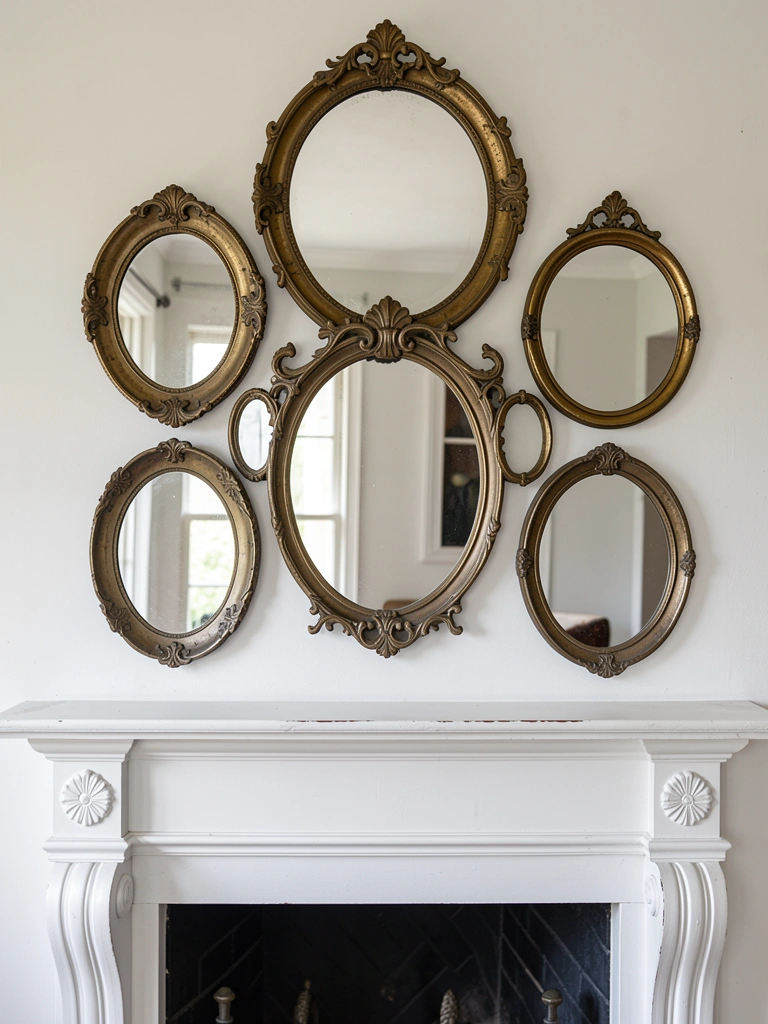
A carefully curated cluster of mirrors above the mantel amplifies daylight and makes the room feel larger. Mix shapes and frame finishes—some gilt, some simple black—to create an intentional, eclectic display. This solves dim Victorian rooms and keeps the wall visually interesting without heavy artwork that competes with moulding.
When I hang mirrors, I vary heights and leave narrow gaps so each frame reads separately. Add a single sculptural vase on the mantel to avoid busy reflections and repeat frame metals elsewhere for cohesion.
Shop this idea:
- Antique-Look Round Mirror (Small)
- Ornate Gilt Rectangular Mirror (Medium)
- Mirror Hanging Hardware Kit (Heavy Duty)
6. Modern Wingback Chairs for Intimate Corners

Wingback chairs are inherently Victorian but look fresh when simplified and upholstered in wool or boucle. Place a pair angled toward each other with a small round table between to create an intimate reading or conversation corner. This resolves awkward nooks by providing appropriately scaled seating that keeps pathways clear.
I favor chairs with slimmer arms and exposed legs to reduce visual bulk. Throw a textured wool blanket over one arm and use matte black or brass for the small table to tether the scheme.
Shop this idea:
- Mid-Century Modern Wingback Accent Chair
- Small Round Marble Top Side Table
- Wool Throw Blanket (Neutral)
7. Built-In Bookcases with Brass Shelving for Display and Storage
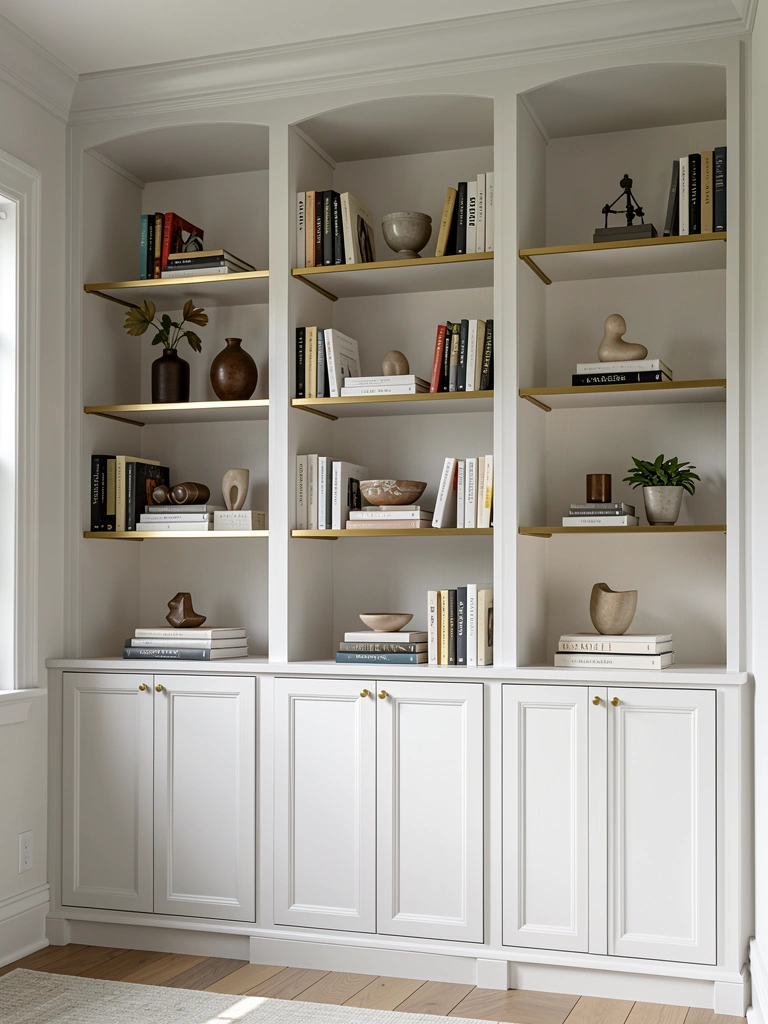
Turn an underused wall into built-ins with adjustable shelves and a mix of closed lower cabinets. Add slender brass shelf edging for a modern touch. This solves clutter and display problems while respecting Victorian proportions by following moulding lines and keeping the cabinetry low and refined.
When I style shelves I mix books horizontally and vertically, intersperse pottery and framed photos, and leave breathing room. Paint the back panel in a subtle contrast color to make objects pop without overwhelming the room.
Shop this idea:
- Adjustable Floating Shelf Brackets (Brass Finish)
- Soft-Close Cabinet Hinges for Built-Ins
- Shelf Styling Book Set (Neutral Covers)
8. Low-Profile Coffee Table That Honors Turned Legs
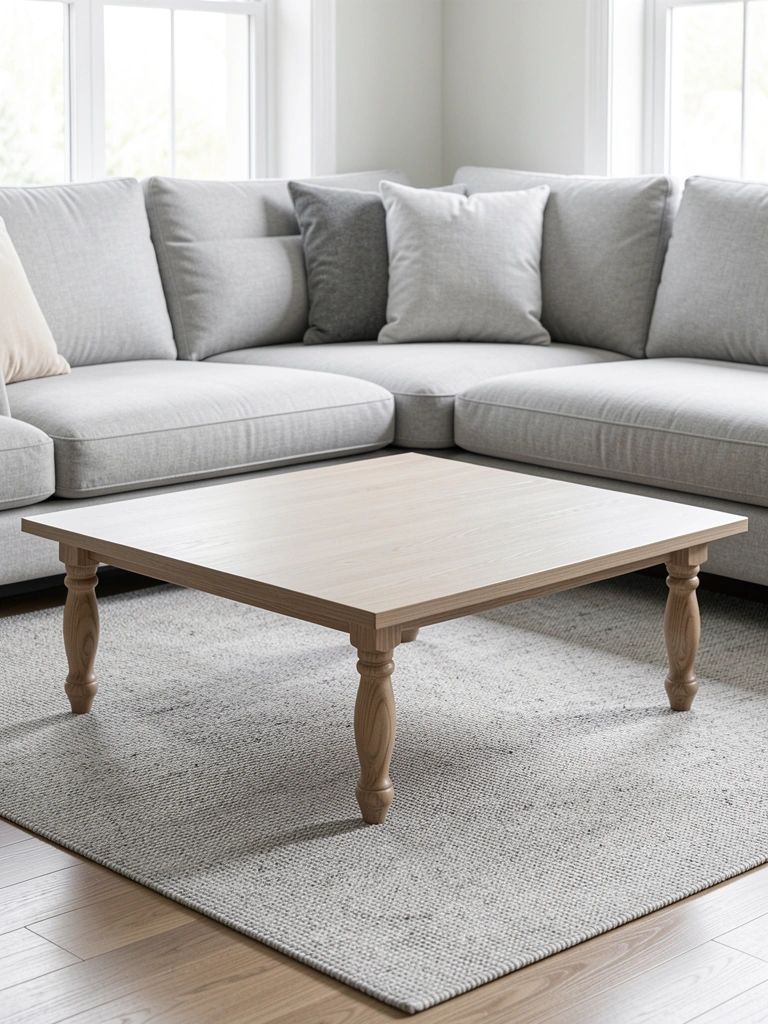
Pick a low coffee table with modern proportions but nods to Victorian turned legs or carved details. A modestly scaled table solves sightline and traffic issues—people can move around seating easily and artful legs read as a period reference without looking literal. Balance is the key: keep the top simple so the base becomes a subtle focal point.
I like mixing a warm wood base with a stone or veneer top for contrast. Add a stack of books, a small tray, and a sculptural bowl to keep styling low and functional when guests arrive.
Shop this idea:
- Low Wooden Coffee Table with Turned Leg Detail
- Marble Veneer Coaster Tray
- Decorative Ceramic Serving Bowl
9. Ceiling Medallion with Recessed Downlights for Layered Illumination

Highlight original ceiling medallions by painting them a soft neutral and adding recessed downlights around a statement pendant. This preserves historic charm while improving functional light levels, solving the typical dimness of tall Victorian rooms. The medallion becomes a subtle star without competing with wall decor.
I keep the pendant modern and sculptural so the eye has a contemporary anchor. Warm LED bulbs and a dimmer give the room flexible mood options from bright daytime tasks to cozy evenings.
Shop this idea:
- Lightweight PVC Ceiling Medallion (Easy Install)
- Warm LED Recessed Downlight Kit
- Modern Pendant Light Fixture (Matte Finish)
10. Curved Daybed in the Bay Window for a Cozy Reading Nook
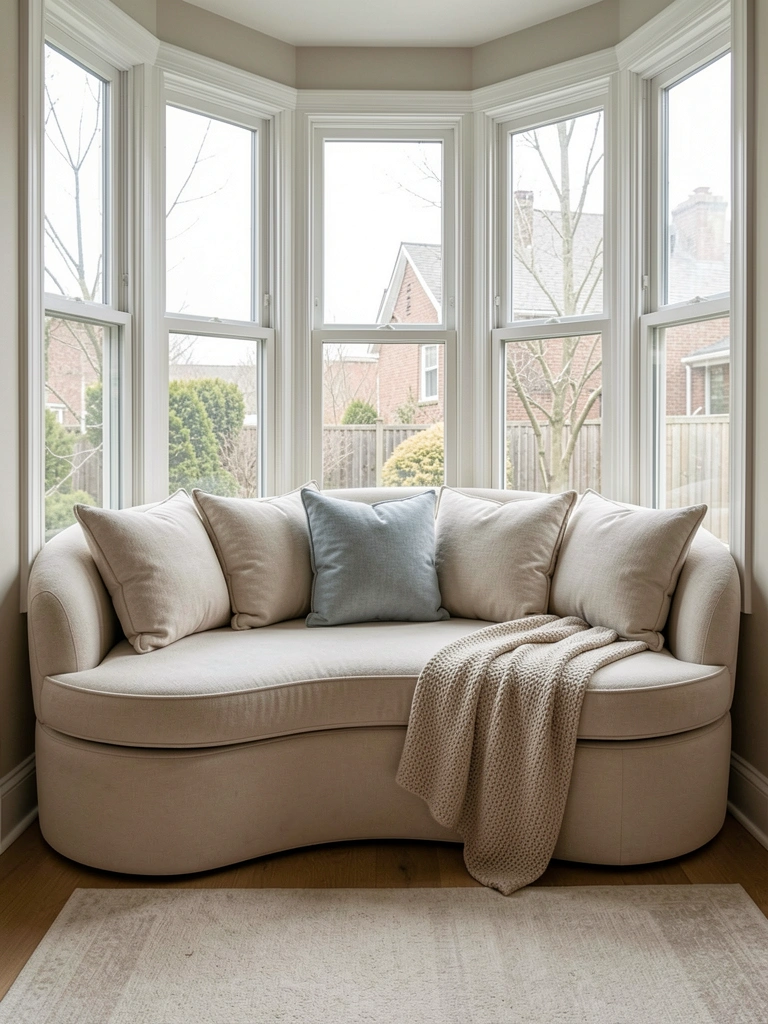
If your Victorian home has a bay window, install a curved daybed to create a cozy nook that reads period-appropriate and livable. The soft curve fits the window’s geometry, provides extra seating, and leaves floor space open. This solves the common issue of underused bay windows and makes the window a focal point for lounging.
I often upholster the daybed in a durable weave and layer pillows in varied textures. A slim console table behind or a floor lamp nearby completes the reading setup without crowding the window seat.
Shop this idea:
- Curved Upholstered Daybed (Bench-Style)
- Outdoor-Style Pillows (Durable Indoor Fabric)
- Adjustable Floor Reading Lamp
11. Painted Wainscot and Wallpaper Combo for Depth
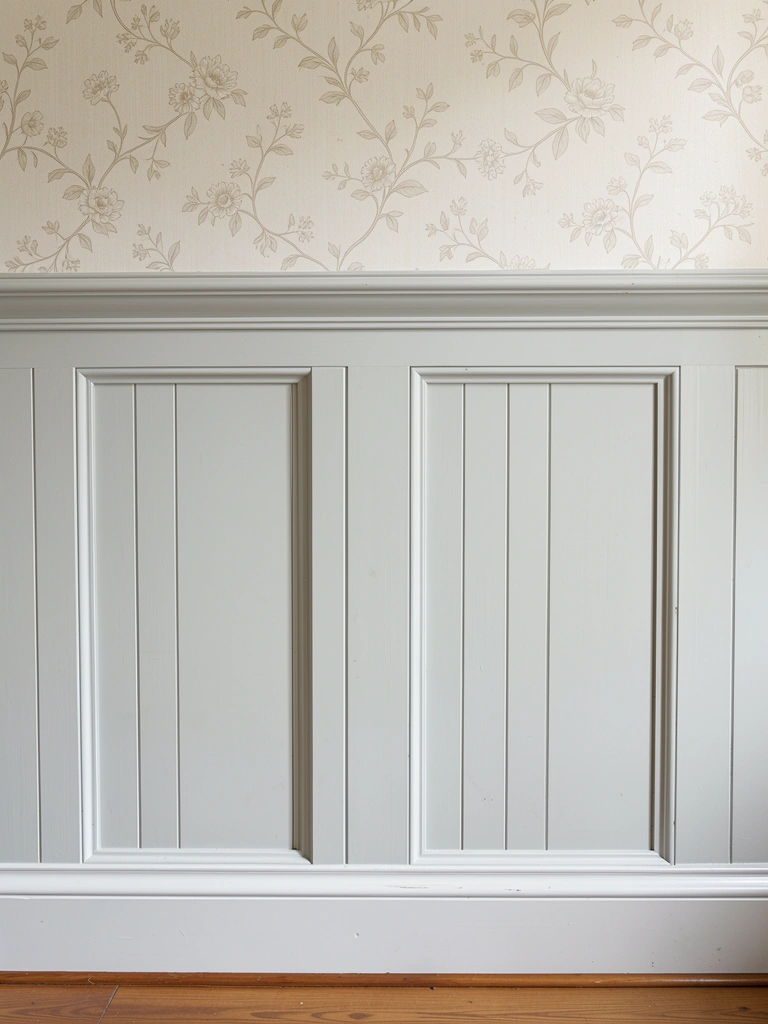
Combine painted board-and-batten wainscot with a subtle modern wallpaper above to honor period proportions while adding contemporary pattern. Paint the lower portion a grounded color and pick a wallpaper with scale that reads from across the room. This handles the problem of bare walls feeling cold while avoiding full-room busy pattern.
When I use wallpaper, I keep frames and art minimal and echo wallpaper hues in textiles. The painted lower panel also hides scuffs and makes the room easier to maintain.
Shop this idea:
- Peel-and-Stick Subtle Pattern Wallpaper
- Moisture-Resistant Paneling Paint (Satin)
- Small Paint Roller Kit for Smooth Finish
12. Sculptural Chandelier Scaled for High Ceilings
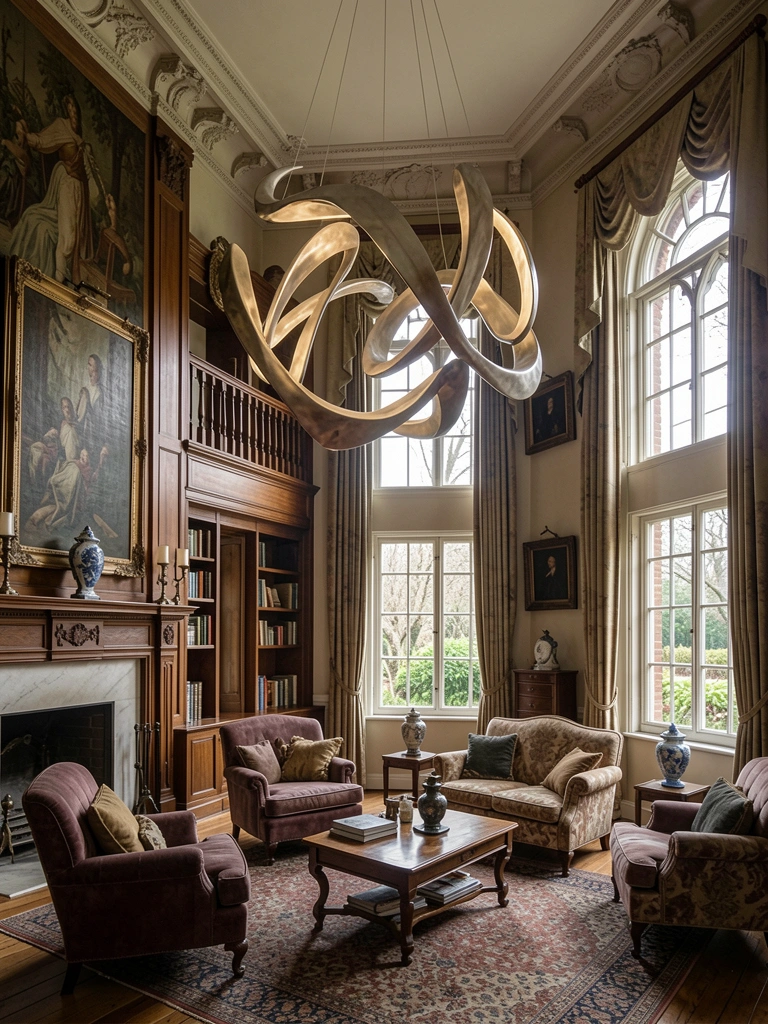
Choose a sculptural chandelier that has presence but a simple profile so it complements Victorian plasterwork without competing. Scale matters: drop it low enough to feel intimate above seating but high enough for circulation. Properly scaled lighting solves the cold, cavernous feel that large Victorian rooms sometimes have.
I like metal finishes that repeat other accents, and I prefer layered lighting so the chandelier never has to do all the work. Pair with wall lamps or table lamps to create pockets of light.
Shop this idea:
- Mid-Century Modern Sculptural Chandelier
- Dimmer Switch Kit Compatible with LED
- Fabric Drum Lamp Shades for Table Lamps
13. Twin Console Tables Behind the Sofa for Styling and Flow
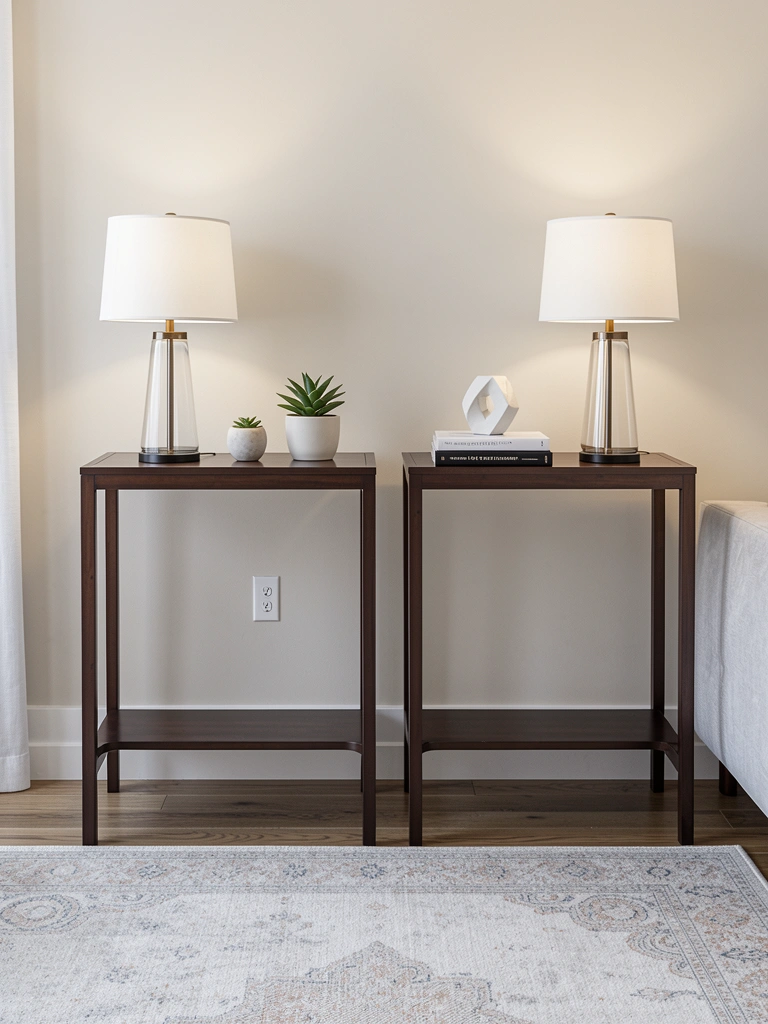
Placing twin slim console tables behind a sofa creates a place for lamps and accessories while keeping circulation open between seating and the wall. This trick gives the room a purposeful rear view and keeps the sofa from feeling like a bulky island. It addresses awkward traffic by giving shoulders and backs a visual finish.
I use identical lamps and mirrored trays to keep the look symmetrical and tailored. The consoles can be narrow—just wide enough for a lamp and a book—so they do not block traffic.
Shop this idea:
14. Patterned Hearth Tile Insert for Practical Detail
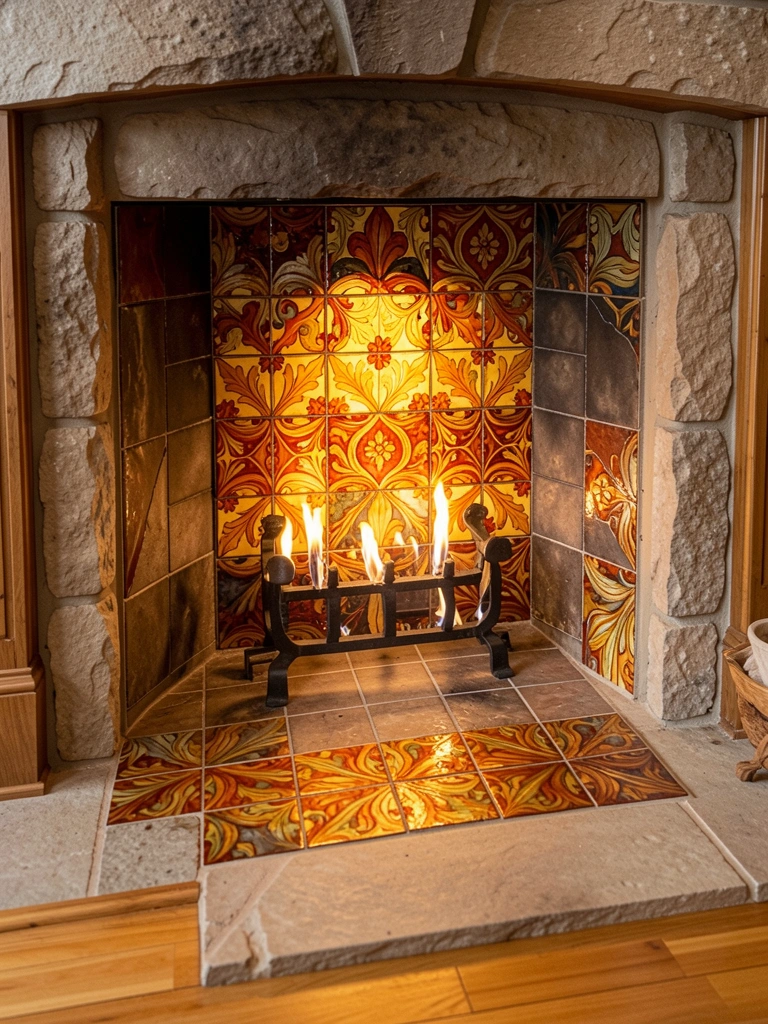
Install a patterned tile insert in front of the fireplace to protect floors and add handcrafted texture. A small area of bold encaustic-style tiles reads period-correct but looks refreshed with cleaner grout tones. This solves the issue of a worn hearth and gives you an opportunity to introduce pattern without overwhelming the whole floor.
I choose colors that repeat in cushions or art so the tile feels intentional. A thin metal trim between tile and wood flooring gives a clean edge and prevents damage to the surrounding boards.
Shop this idea:
- Encaustic Patterned Tile Sample Pack
- Thin Metal Tile Transition Strip (Brass Look)
- Heat-Resistant Tile Adhesive (Small Tube)
15. A Green Corner with Vintage Pots for Softening Heavy Detail
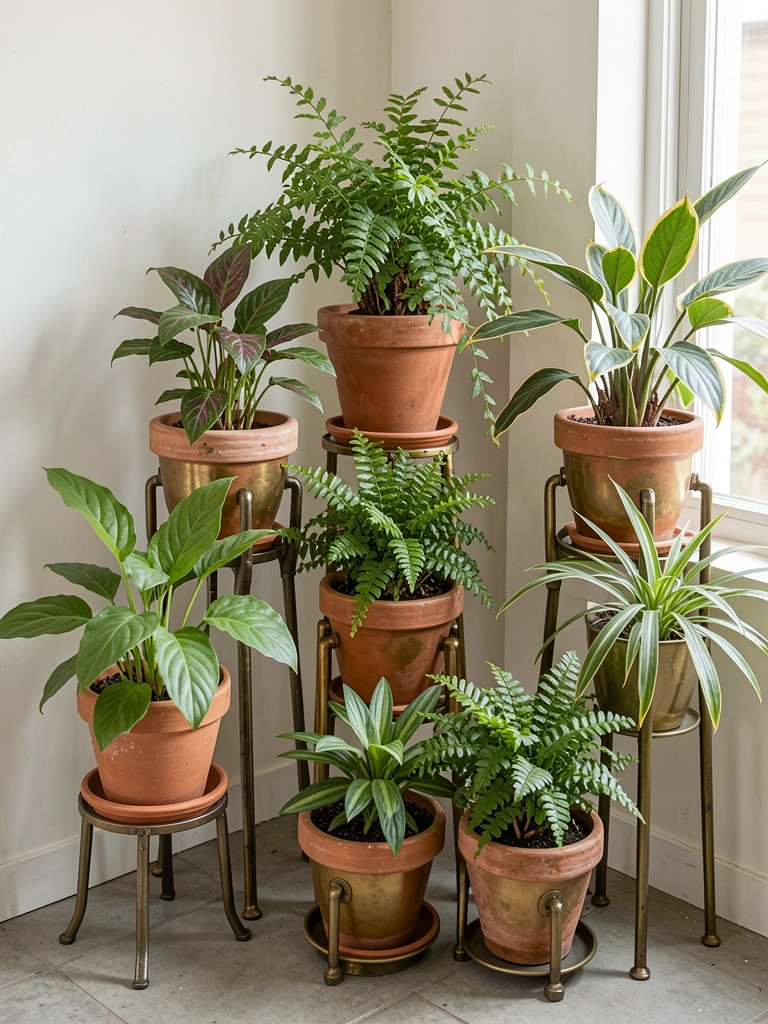
Introduce a small indoor garden with mixed plant heights and vintage pots to soften carved moldings and heavy furniture. Use a tall potted ficus or palm plus smaller ferns on stands to create movement and life in a corner that otherwise feels static. This cures the overly formal, museum-like feeling some Victorian rooms have and improves airiness.
I usually choose pots in earthy finishes that echo wood tones and add a slim watering tray so the wood floor stays safe. A plant ladder or tiered stand keeps the arrangement layered and dynamic.
Shop this idea:
- Large Indoor Fiddle Leaf Fig (Live Plant Source)
- Set of Terracotta Plant Pots (Various Sizes)
- Three-Tier Plant Stand (Metal)
Final Thoughts
These modern Victorian living room ideas focus on keeping the architectural soul while making the space liveable and welcoming. I find small edits—paint choices, scaled lighting, one well-placed rug—make the biggest difference when you want historical bones with contemporary comfort.
Start with one simple change that solves a traffic or lighting problem and build from there. Which corner of your living room would you update first?
Relevant Articles