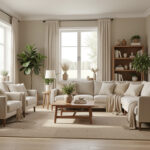

Victorian living room ideas can feel rich and collected without being heavy. This list gathers approachable ways to bring period detail, comfort, and practical seating choices into a real home so you can live in the style.
I focused on layered textures, scaled seating, and clear focal points you can actually use. Each idea is meant to feel like a room you could sit in this afternoon.
15 Classic Victorian Living Room Ideas
Create a timeless mood by focusing on one strong historic element per vignette, then layering modern comforts for balance and livability.
1. Restore an Original Marble Mantel to Anchor the Room
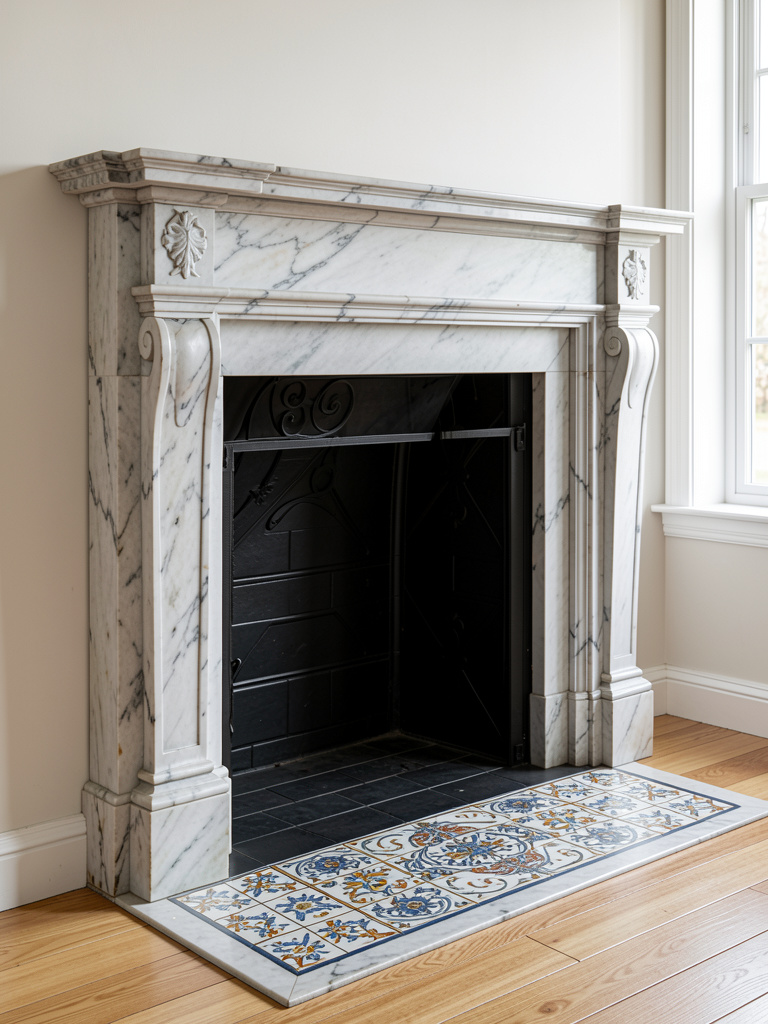
Bring the mantel back as the room’s anchor by cleaning or repairing it and styling with a simple mirror and candlesticks. A solid mantel creates a natural focal point, improves sightlines, and fixes scale for seating arrangements around the hearth.
When I work on older homes I often leave the mantel as the starting point and build seating to suit. Pair polished marble with warm wood tones, soft wool rugs, and burnished brass accents to keep the look classic but comfortable.
Shop this idea:
- Marble Fireplace Mantel Restoration Kit
- Antique Brass Candlestick Pair
- Fireplace Tool Set with Stand
2. Layer Persian Rugs to Soften Hardwood and Define Seating
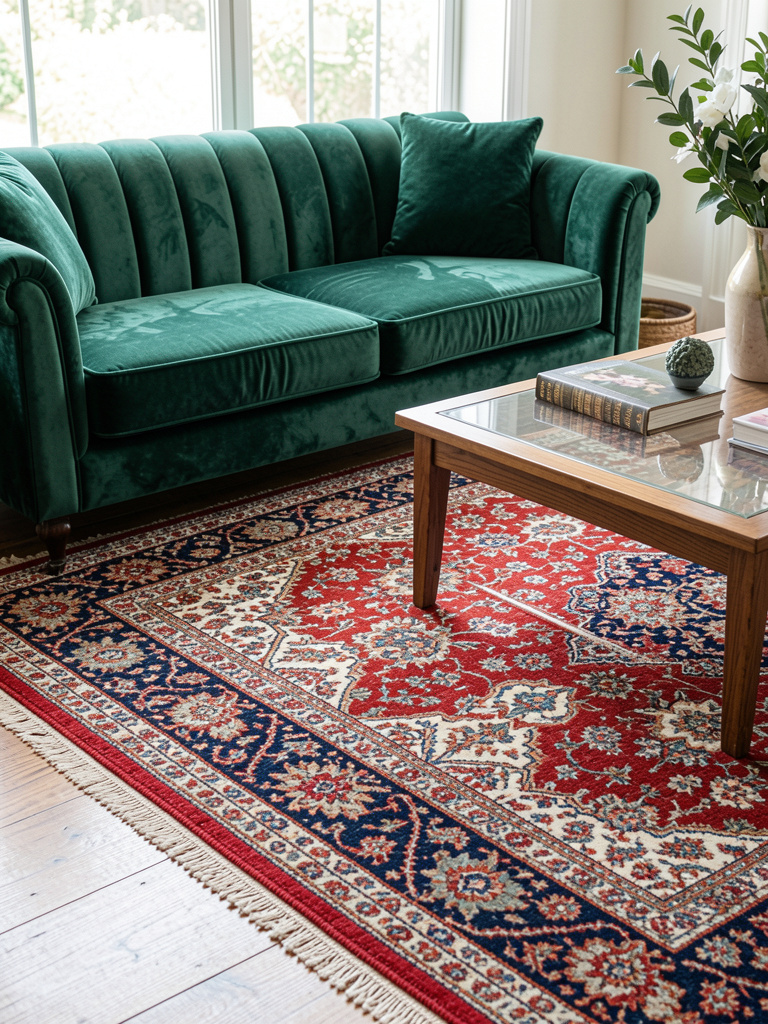
Use a large traditional rug as a base and layer a smaller Persian runner or medallion rug on top to create depth and anchor a seating group. Layering solves the problem of echoing hardwoods while adding color and pattern without overwhelming the room.
I like using two rugs when the seating area needs definition in a wide room; it immediately reads as intentional. Keep colours tied to the room’s palette and vary texture—flatweave below, hand-knotted over it—for visual richness.
Shop this idea:
3. Introduce a Curved Chaise Lounge for Relaxed Period Seating
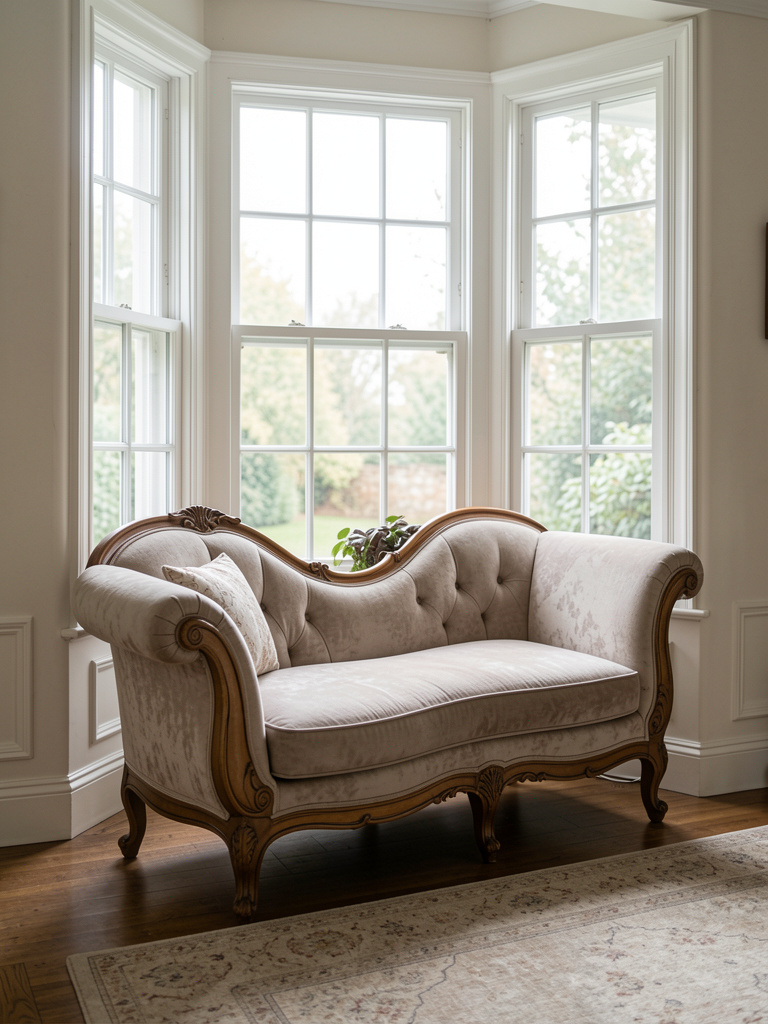
A chaise lounge solves the dual need for a showpiece and a cozy reading spot. Position it in a bay window or beside the fireplace to create a quiet corner that invites use while honoring Victorian silhouettes.
I often add a small bolster and a textured throw to keep a chaise from looking too formal. Choose a rich velvet or muted floral upholstery and balance with a side table and floor lamp for function and charm.
Shop this idea:
- Victorian-Style Curved Chaise Lounge
- Decorative Bolster Pillow Cover
- Adjustable Brass Floor Reading Lamp
4. Go Bold with a Single Damask Accent Wall
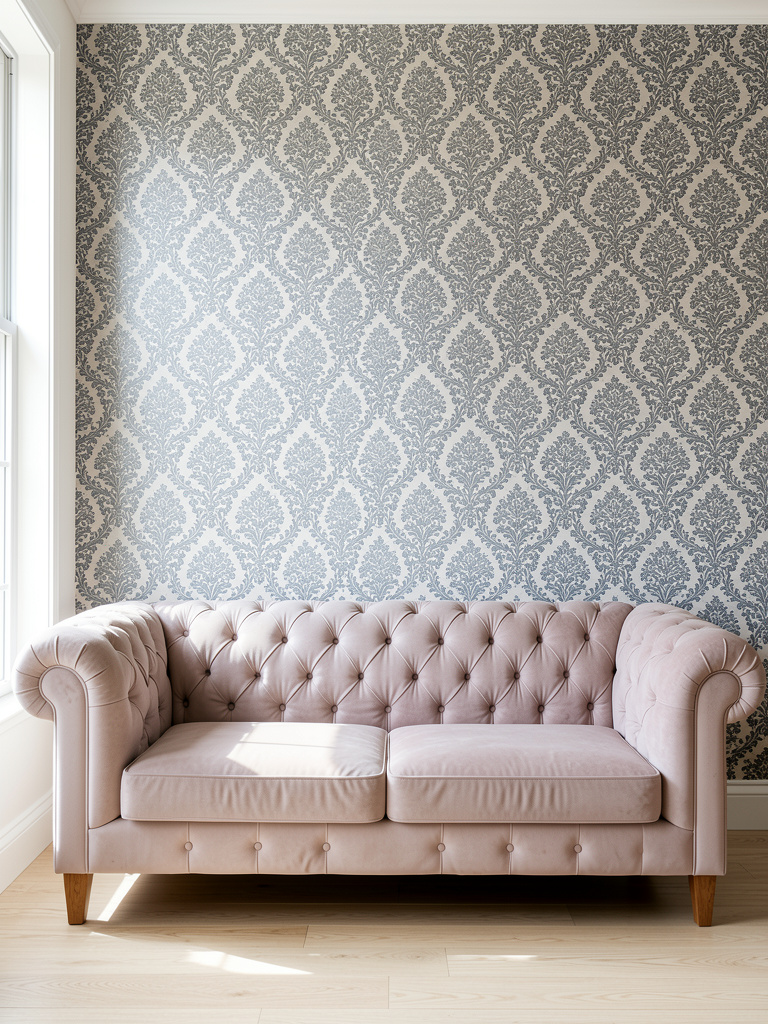
Use a damask wallpaper on one wall to bring pattern and scale without dominating the entire room. An accent wall helps conceal imperfections on an older plaster surface while giving the space an immediate period character.
When hanging wallpaper I always test a swatch near the seating to ensure colours work with the upholstery. Complement the pattern with simpler solid curtains, a neutral rug, and a couple of brass picture lights to keep the balance calm.
Shop this idea:
- Traditional Damask Wallpaper Roll
- Wallpaper Paste & Seam Roller Kit
- Picture Light in Polished Brass Finish
5. Hang an Ornate Gilded Mirror Over the Fireplace to Expand Light
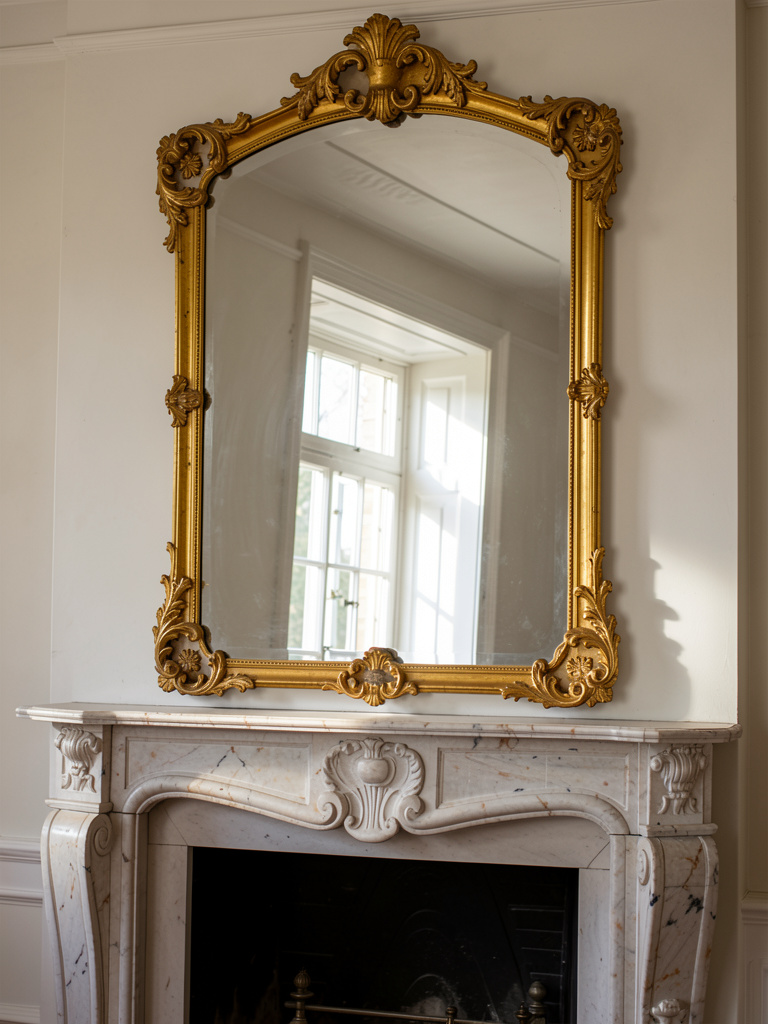
A large gilded mirror above the mantel bounces natural light and emphasizes ceiling height. It solves dim-room issues while providing a formal Victorian focal point that complements carved woodwork and moldings.
I often pick a mirror with subtle age to match original details; brand-new shine can feel out of place. Layer it with a pair of slim candlesticks, and keep surrounding frames simple so the mirror remains the star.
Shop this idea:
6. Choose a Tufted Velvet Settee in a Jewel Tone for Statement Seating
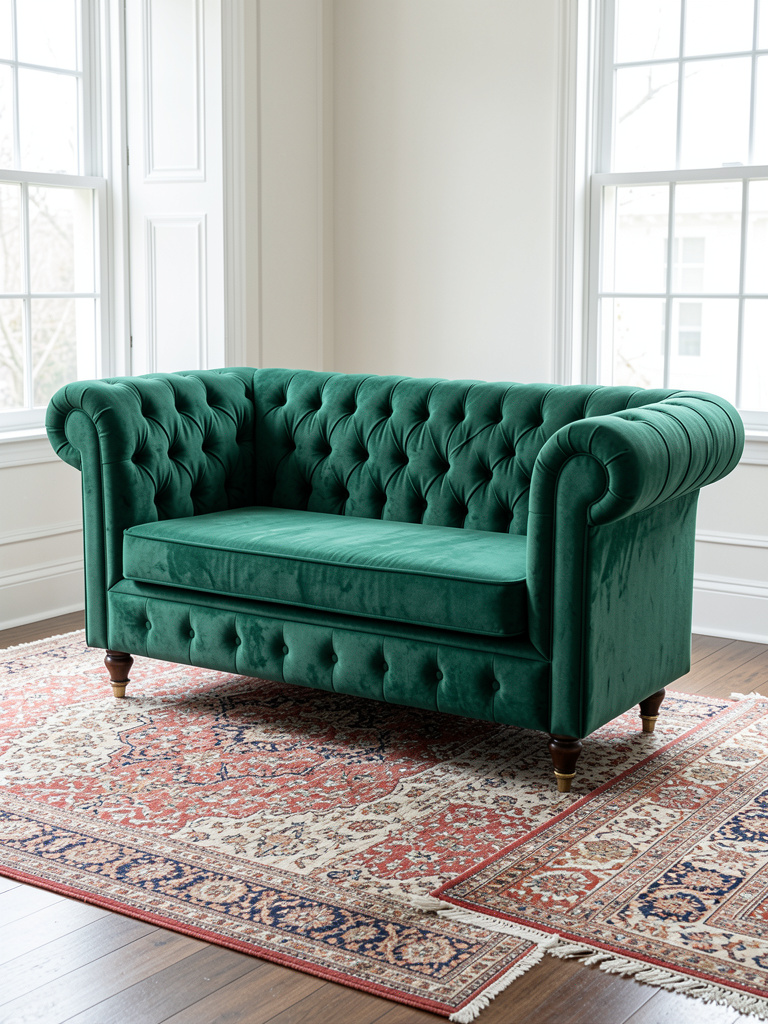
A jewel-toned tufted settee answers the need for elegant seating that reads vintage without being fussy. Place it opposite the fireplace or beneath a window to create an intimate conversation area and anchor smaller rooms.
I always test upholstery fabric swatches in daylight because velvet changes with light. Accent with warm brass side tables and a neutral patterned rug to keep the colour grounded and wearable.
Shop this idea:
7. Anchor the Hearth with Symmetrical Wingback Chairs
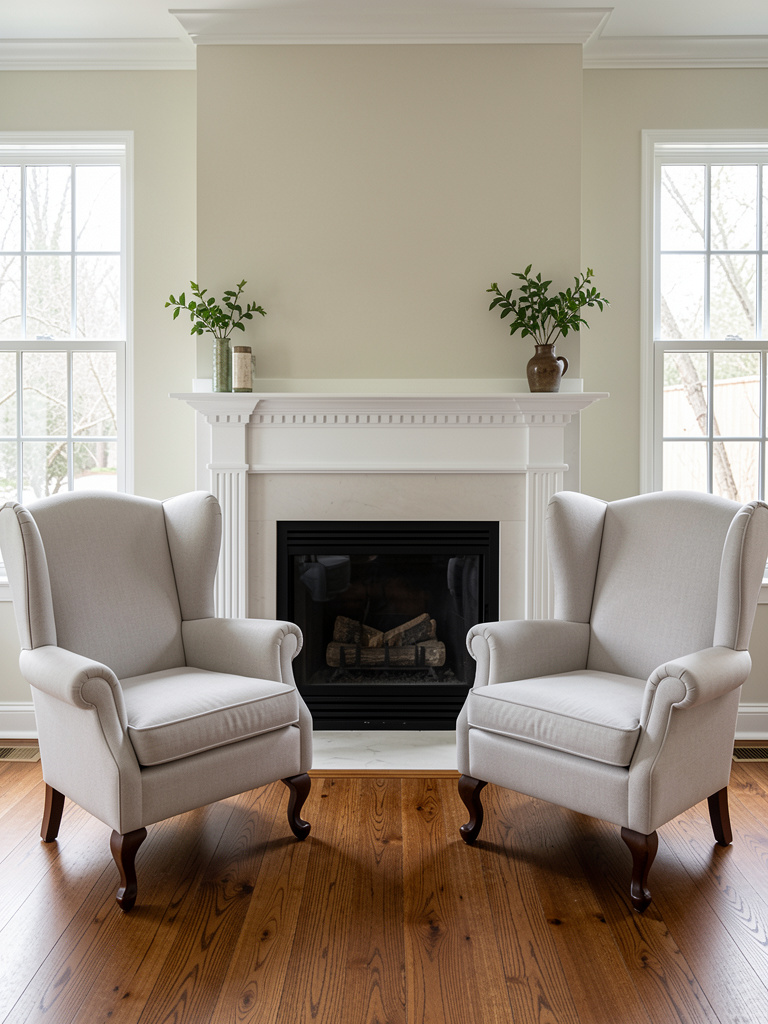
Two wingback chairs create a formal but very usable arrangement centered on the fireplace. Symmetry helps circulation and establishes clear conversation zones without overcrowding the seating area.
I like pairing the chairs with a low coffee table so legs are visible and the space reads open. Choose durable fabrics in muted patterns and add a small throw to each chair for everyday comfort.
Shop this idea:
8. Fit Built-In Bookcases to Frame a Seating Nook
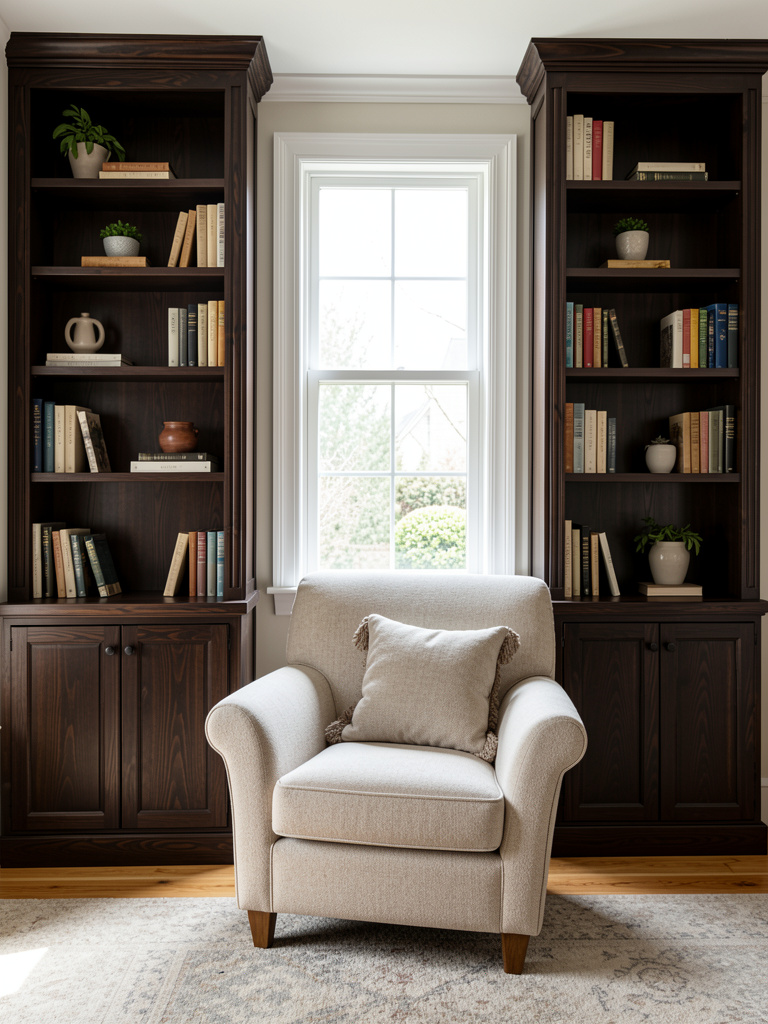
Built-in bookcases solve storage and styling at once, giving you a place for books, art, and antiques while visually anchoring a seating nook. They help disguise TV and modern clutter if you plan the shelves thoughtfully.
When installing I like to leave some open space between items to keep the shelves from feeling museum-like. Mix books with ceramics and a few metallic accents; I always include a lamp on one shelf for layered light.
Shop this idea:
- Adjustable White Shelving Brackets
- LED Rechargeable Puck Lights for Shelves
- Decorative Ceramic Vase, Antique Finish
9. Install a Brass Chandelier with Crystal Accents for Layered Lighting
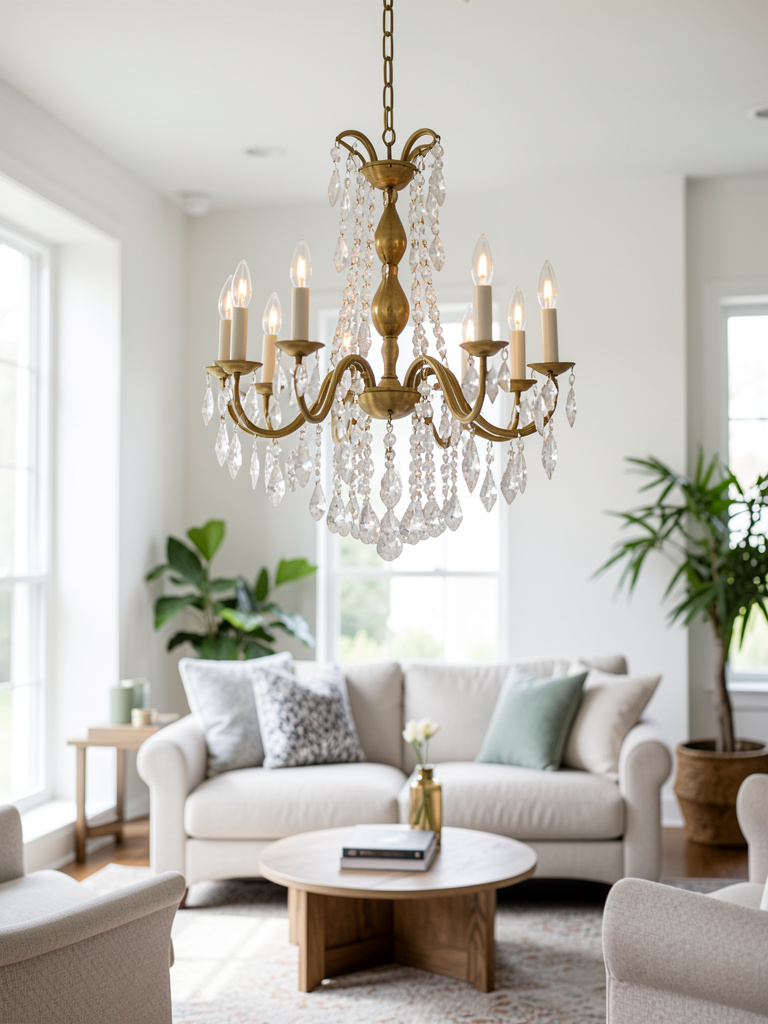
A chandelier provides general light and a period-appropriate focal point for Victorian ceilings. Choose a brass fixture with small crystal drops to reflect light without feeling overly ornate.
I prefer dimmable fixtures so the mood shifts from bright daytime to cozy evenings. Pair the chandelier with table lamps on side tables for reading and to avoid a single-source lighting scheme.
Shop this idea:
- Brass Chandelier with Crystal Drops
- Dimmable LED Bulbs Warm White
- Ceiling Medallion for Chandelier Installation
10. Curate a Portrait Gallery Wall for Historical Character
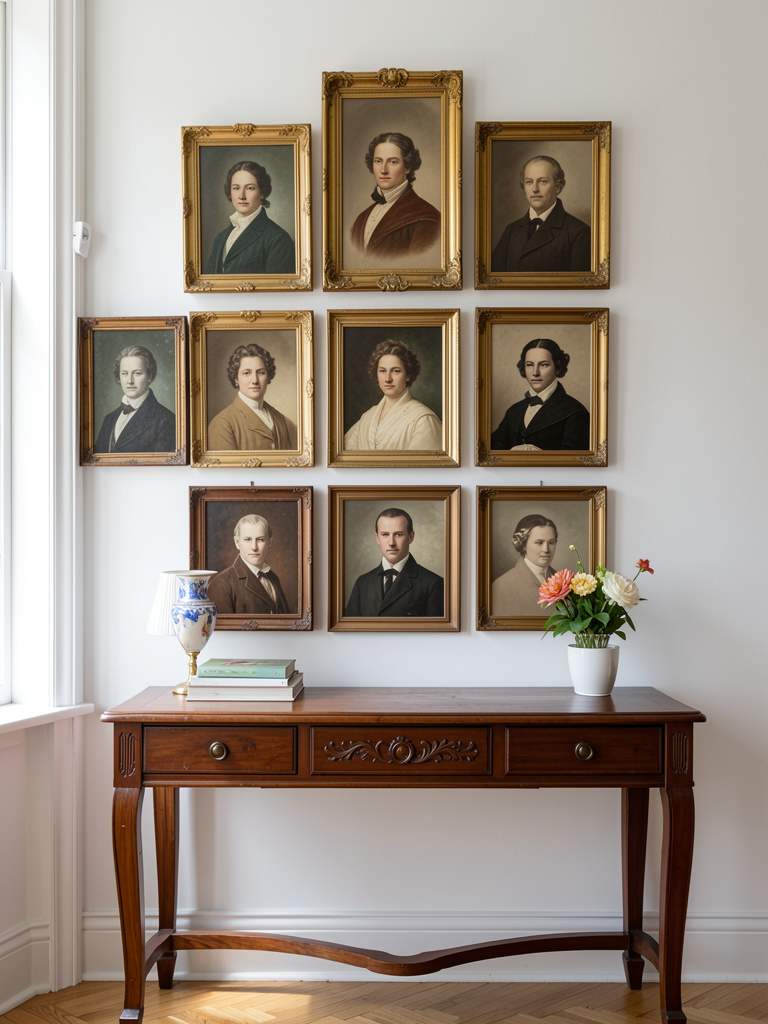
A gallery of framed portraits and sepia prints gives the room an immediate sense of history and scale. Placing the gallery above a low console or sofa helps maintain eye-level balance and keeps the wall from feeling top-heavy.
I like mixing frame sizes but keeping the matting consistent to read as a set. To avoid a cluttered look, leave breathing room between frames and include one statement frame to anchor the arrangement.
Shop this idea:
11. Use a Marble-Top Tea Table for Delicate Serving and Styling
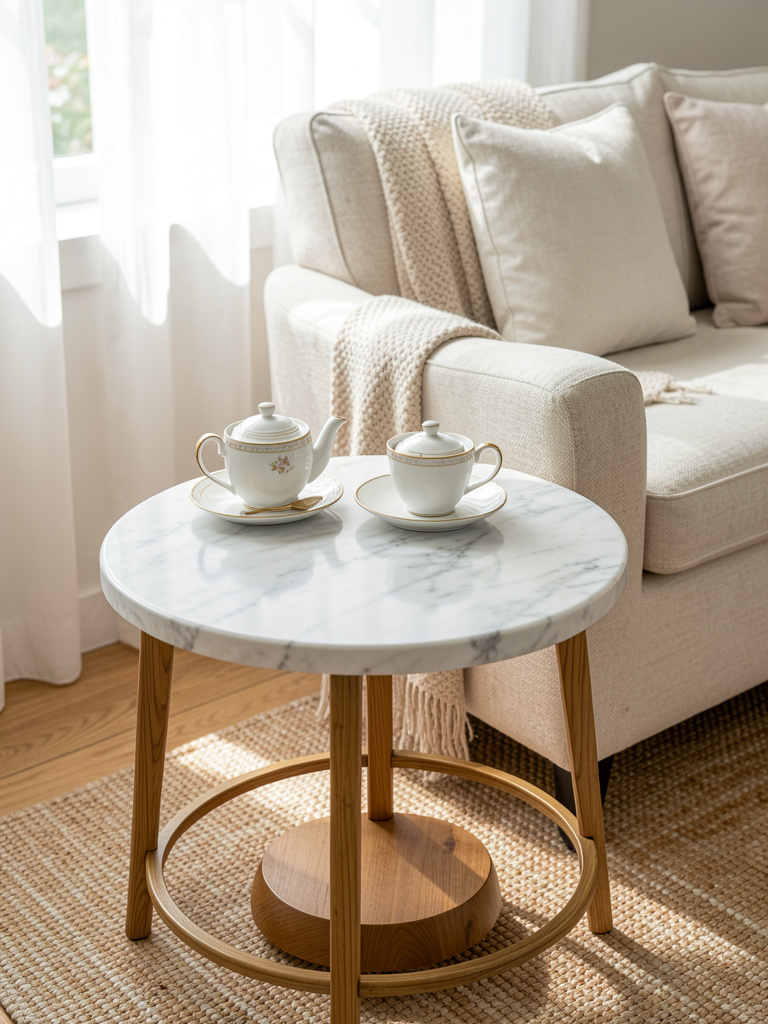
A round marble-top tea table offers a delicate surface for drinks and styling while reinforcing Victorian material choices. It’s perfect between two chairs or beside a settee and helps solve the need for a petite surface in tight spaces.
I often place a small tray and a stack of books on a marble table to protect the surface and anchor a vignette. Pair it with brass coasters and a porcelain tea set for an authentic, easy-to-maintain look.
Shop this idea:
12. Choose Heavy Drapery with Lined Tassel Headers for Warmth
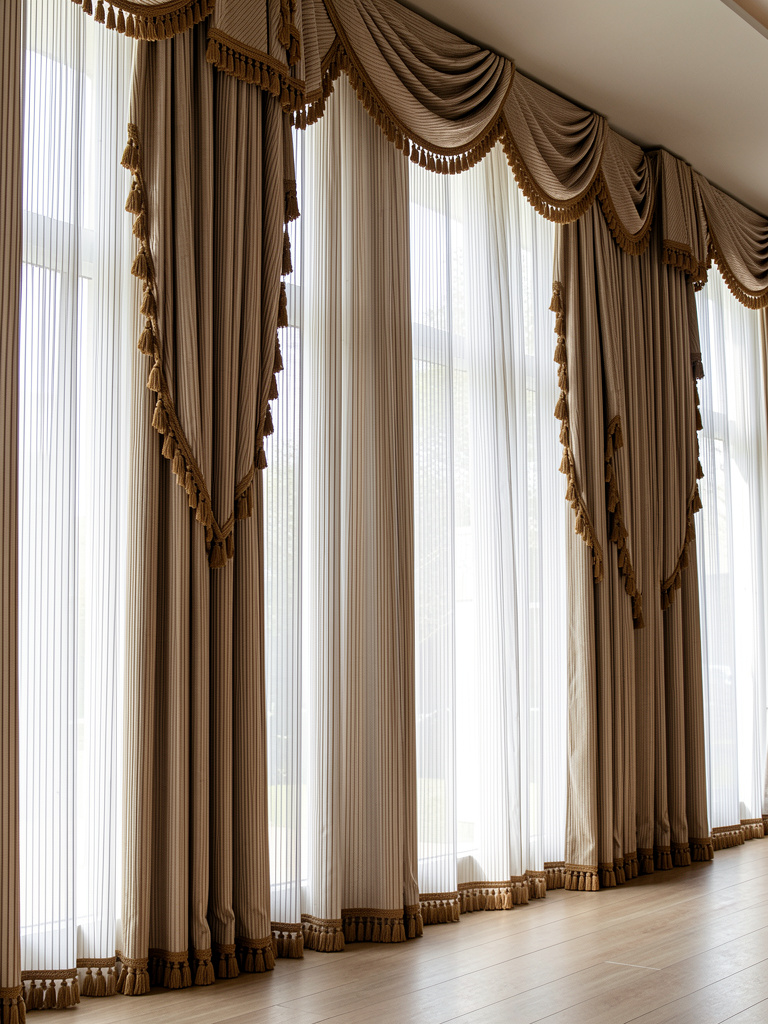
Floor-to-ceiling lined drapery adds insulation, softness, and a period silhouette to tall Victorian windows. Lined curtains with tasseled headers help with temperature control and give the room a tailored finish.
When I measure for drapes I allow the fabric to puddle slightly for an older-house look. Keep the lining neutral to extend fabric life and combine with a thin sheer behind for daytime privacy without losing light.
Shop this idea:
- Blackout Lined Drapery Panels with Tassel Trim
- Adjustable Curtain Rod with Brackets
- Magnetic Curtain Weights for Puddling
13. Highlight a Tiled Hearth or Patterned Tile Border
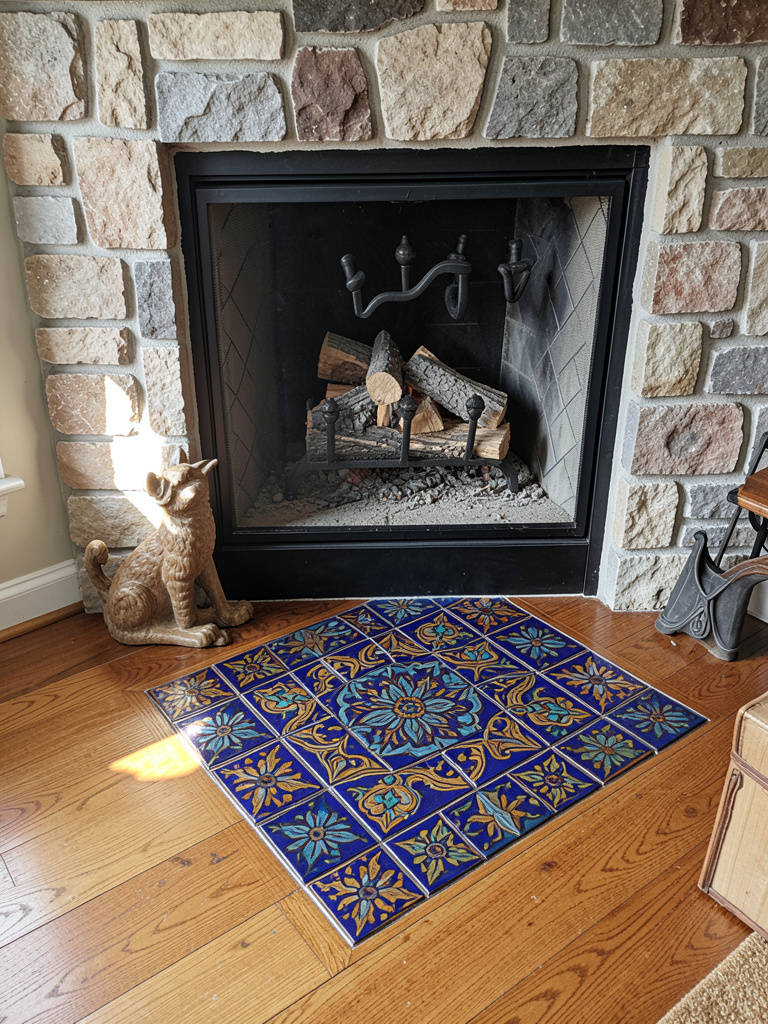
A patterned hearth or tiled border adds color, pattern, and period detail at floor level. Tiling solves the practical need for a durable, heat-resistant hearth while giving a small area high visual impact.
I like choosing tiles that repeat a colour from the rug to tie the scheme together. Keep surrounding furnishings simple so the tile feels intentional rather than busy.
Shop this idea:
- Encaustic-Style Ceramic Floor Tiles
- Thinset Mortar for Floor Tile Installation
- Grout Sealer for High-Traffic Areas
14. Add a Tall Antique Planter with a Lush Indoor Tree for Freshness
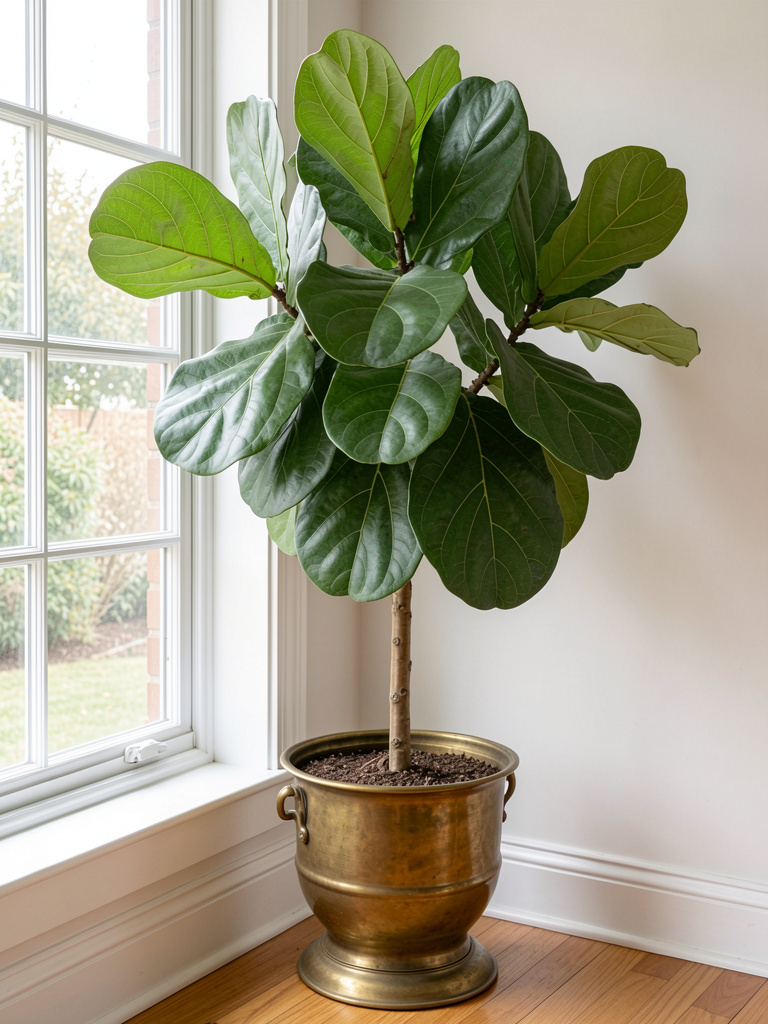
A tall indoor plant in an antique planter brings life, scale, and a contrast to heavier Victorian finishes. It fills vertical space near windows or in a corner and softens the overall composition.
I tend to pick easy-care trees for older homes and tuck them near light sources. The green plays beautifully against deep upholstery and carved wood, making the room feel lived in rather than staged.
Shop this idea:
- Large Decorative Indoor Planter, Antique Finish
- Fiddle Leaf Fig Tree, Artificial Realistic
- Moisture Control Plant Potting Mix
15. Conceal Tech in a Vintage-Style Armoire for Modern Living
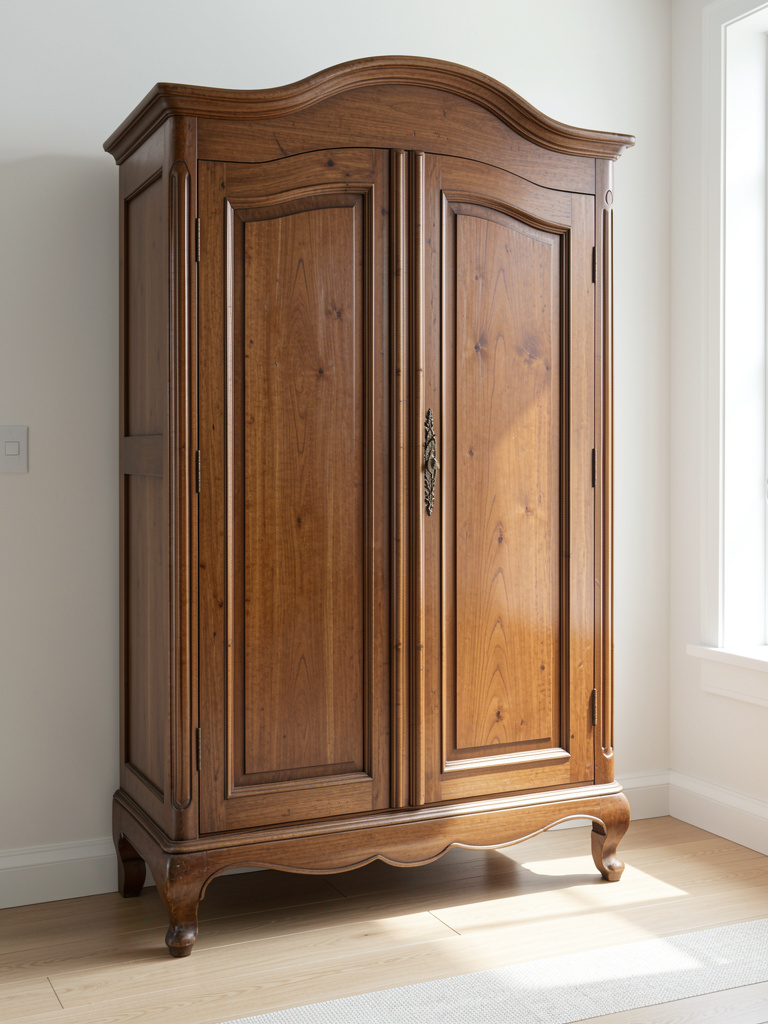
A vintage armoire or custom cabinet offers a way to hide a TV and electronics while keeping the room period appropriate. It solves the recurring problem of modern screens feeling out of place in a historic scheme.
I’ve worked on several projects where the armoire became the evening focal point once the doors were closed. Add ventilation holes and a cable pass-through and finish the interior in a soft neutral so the tech disappears.
Shop this idea:
- Classic Wooden TV Armoire Cabinet
- Cable Management Box with Grommet
- Furniture Ventilation Grille Kit
Final Thoughts
This collection aims for a lived-in Victorian feel: one strong historic piece, layered textures, and practical seating for real life. I find starting with the mantel or a single upholstered piece makes decisions simpler and more confident.
Pick one small change—a pair of wingback chairs, a layered rug, or a gilded mirror—and see how it changes the room’s balance. Which corner of your living room are you most excited to rework first?
Relevant Articles