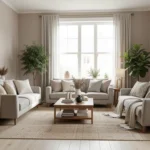

Keeping a beige living room interesting is all about texture, layers, and the right accents. These 14 neutral beige living room ideas show practical ways to make a calm, lived-in space feel intentional without loud color.
Each idea focuses on a single problem—flat color, lack of depth, or poor flow—and offers a simple, stylish solution you can use right away.
14 Neutral Beige Living Room Ideas
Find a fresh, usable beige approach for every corner of your living room, from seating to walls, lighting, and small styling moves.
1. Layered Textures for Depth
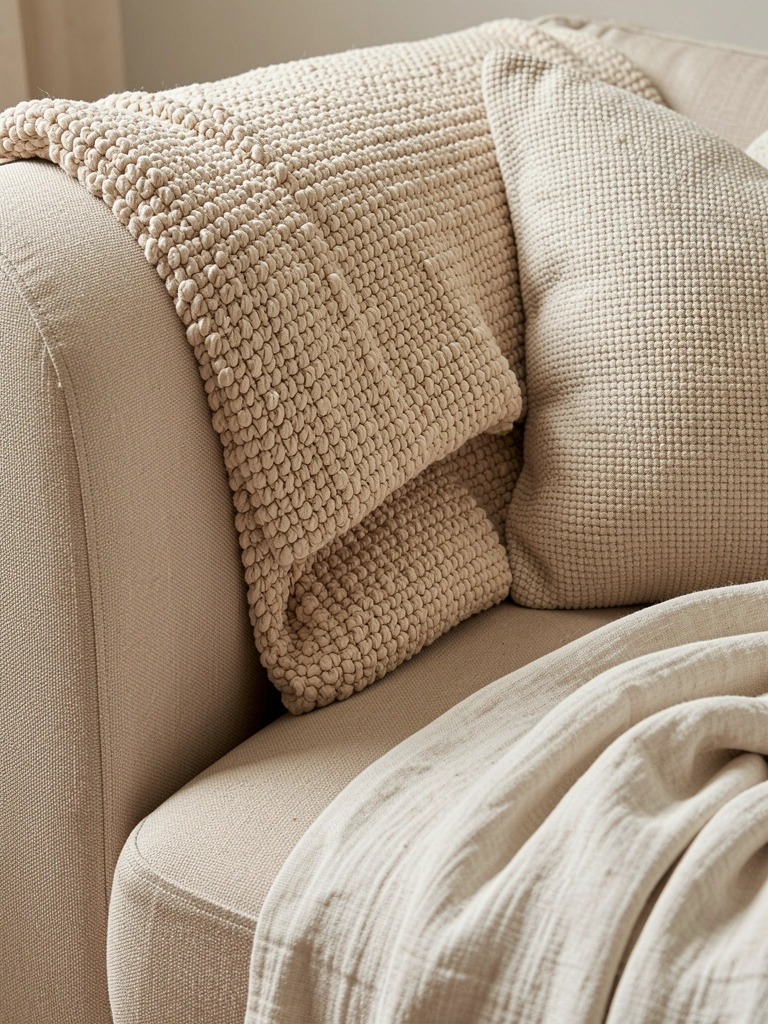
Start by mixing three or four different textures in one seating area—smooth leather or linen sofa, a nubby wool throw, a woven jute cushion, and a soft cashmere-like blanket. This combo keeps a beige palette from feeling flat and solves the “one-note” problem by giving your eye places to rest.
When styling, vary scale and finish: shiny ceramic lamp, matte pottery tray, and a soft rug underfoot. I often change one pillow seasonally; swapping textures is an easy refresh that feels intentional without new furniture.
Shop this idea:
- Natural Jute Area Rug Rugged Weave
- Linen Sofa Throw Blanket 50×60 Beige
- Handwoven Wool Throw Pillow Covers 18×18
2. Tone-on-Tone Sofa Styling
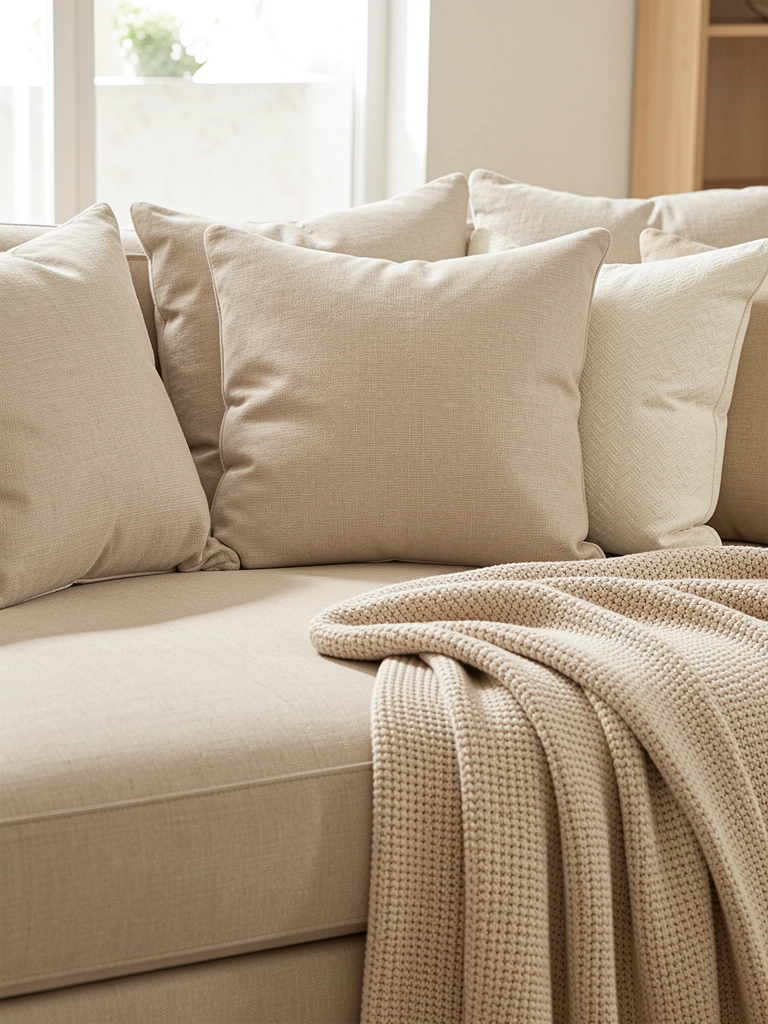
Anchor the room with a sofa in a slightly different beige than the walls—think warm camel against cool sand. Layering cushions and throws in the same tonal family creates sophistication while still feeling cozy. This solves the disconnect when walls and furniture blend into one flat plane.
I like to mix fabrics—linen, velvet, and knit—so each piece reads separately even though they’re the same hue. Add a dark wood side table or brass lamp for contrast that keeps the look grounded without a loud color.
Shop this idea:
- Beige Linen Blend Sofa Slipcover
- Velvet Decorative Throw Pillow Covers 20×20 Sand
- Chunky Knit Throw Blanket Neutral
3. Subtle Wall Panelling in Warm Beige
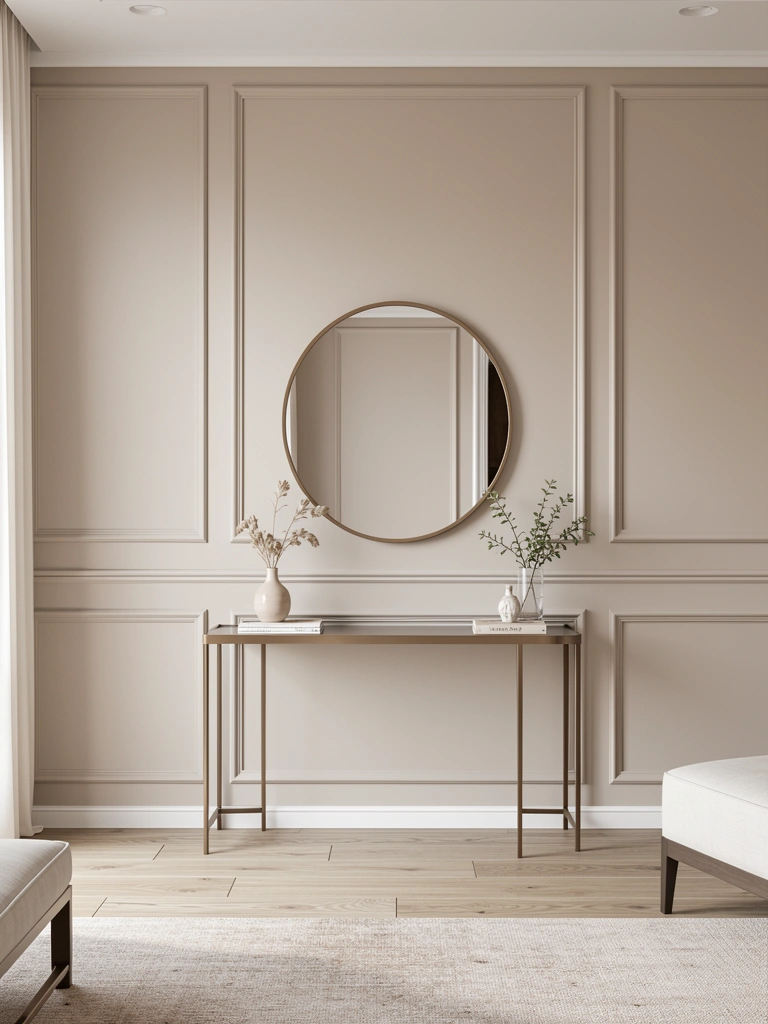
Shallow wall panelling painted in the same beige as your wall adds dimension without creating a strong contrast. It solves the “bland wall” issue and reads tailored rather than ornate. Keep moulding minimal and proportionate to the room size.
Pair panelling with simple artwork and a slim console table in natural wood. I’ve used this trick in small living rooms to add architectural interest without changing color, and it instantly makes the room feel curated.
Shop this idea:
4. Dark Wood Anchors for Contrast
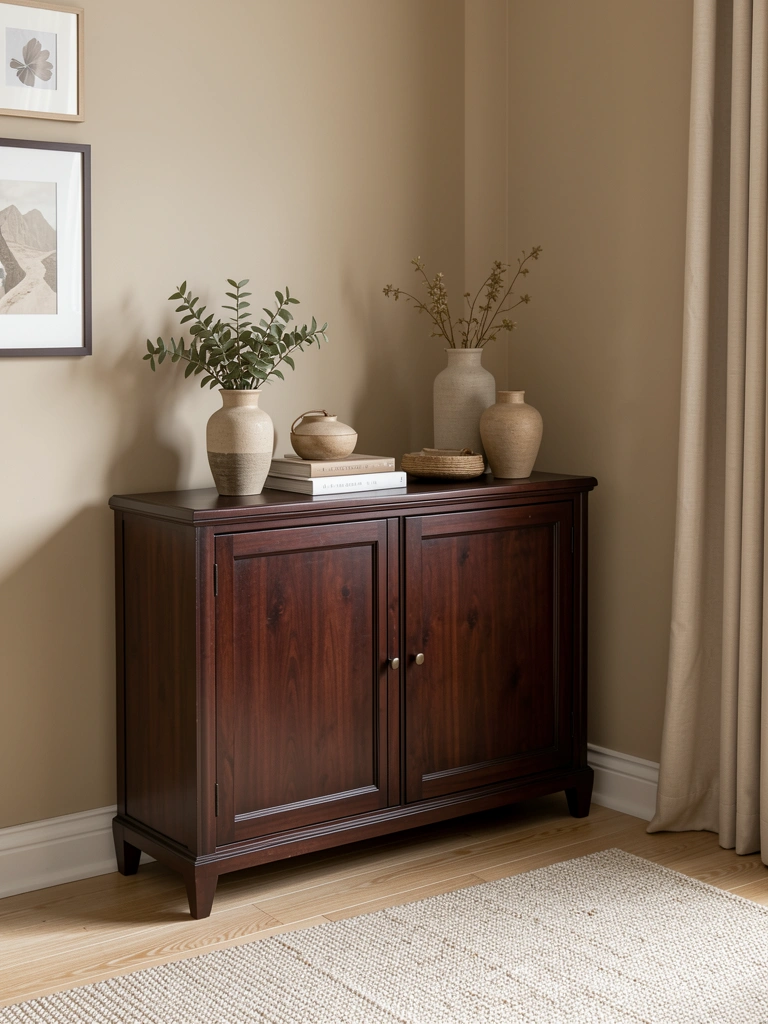
Introduce one strong dark wood piece—a media cabinet, credenza, or coffee table—to ground an all-beige room. That single anchor gives depth and prevents the space from feeling washed out. It addresses the floating furniture problem in open-plan layouts.
Keep accessories light—ceramic vases, woven baskets, and a soft rug—to maintain warmth. I rely on one dark piece as my visual anchor in many rooms; it helps everything else float cohesively around it.
Shop this idea:
- Mid-Century Dark Wood Media Console 60 Inch
- Ceramic Decorative Vase Set Neutral
- Woven Seagrass Storage Basket Large
5. Sculptural Lighting as a Neutral Focal Point
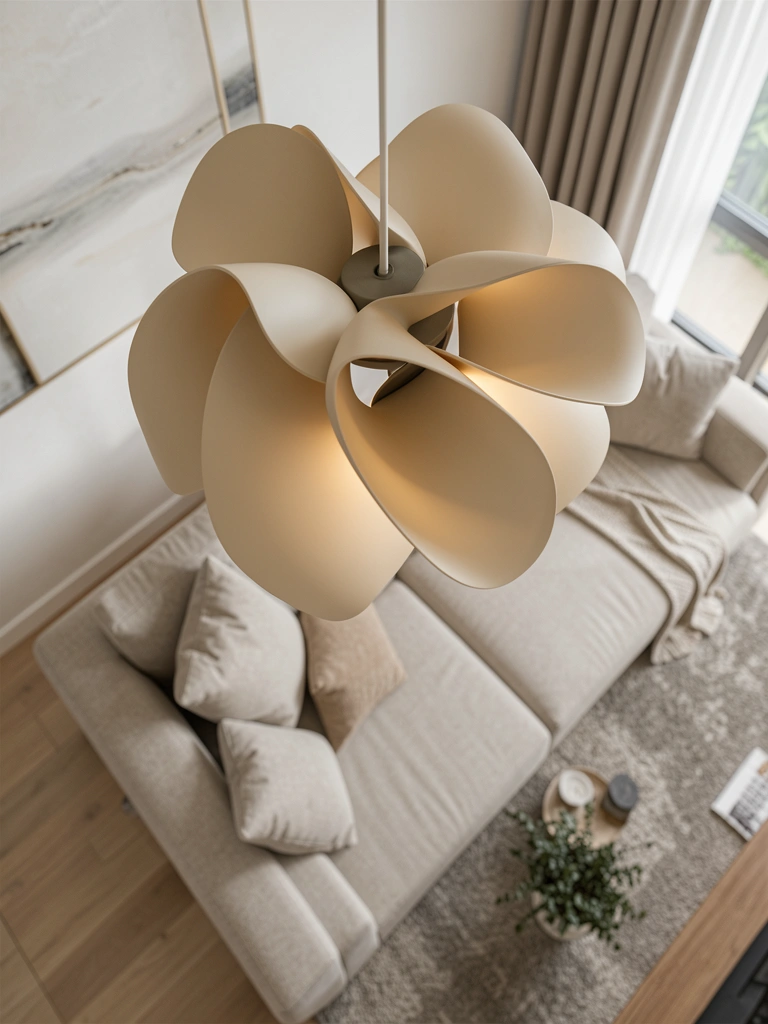
A sculptural pendant or floor lamp in a warm neutral becomes a focal point without adding color. It solves dim, featureless ceilings and draws the eye upward, making the room feel taller and more considered. Choose organic shapes in matte finishes for subtle drama.
Layer with table lamps and dimmers for flexibility. I swapped a basic fixture for a sculptural pendant in my last living room and it made the whole space feel more intentional while staying calm.
Shop this idea:
- Organic Rattan Pendant Light 18 Inch
- Brass Arc Floor Lamp with Linen Shade
- Dimmable LED Floor Lamp Warm White
6. Layered Rugs to Define Zones
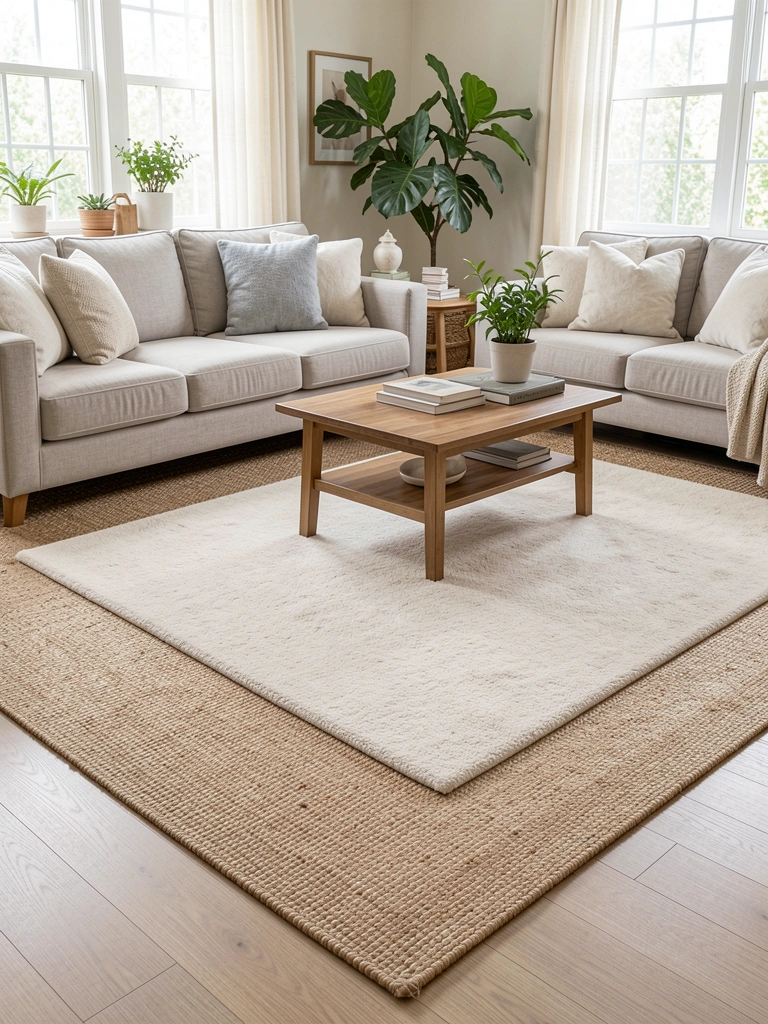
Use a durable natural rug as the base layer and a softer wool or cotton rug on top to define the seating area. This solves the open-plan fog where furniture needs visual boundaries. Layering also adds warmth underfoot and protects high-traffic spots.
Choose rugs with slightly different tones and textures—jute for structure, low-pile wool for comfort. I often anchor conversation groups this way; it makes the layout clearer and cozier without bold patterns.
Shop this idea:
7. Mixed Metal Accents for Warmth
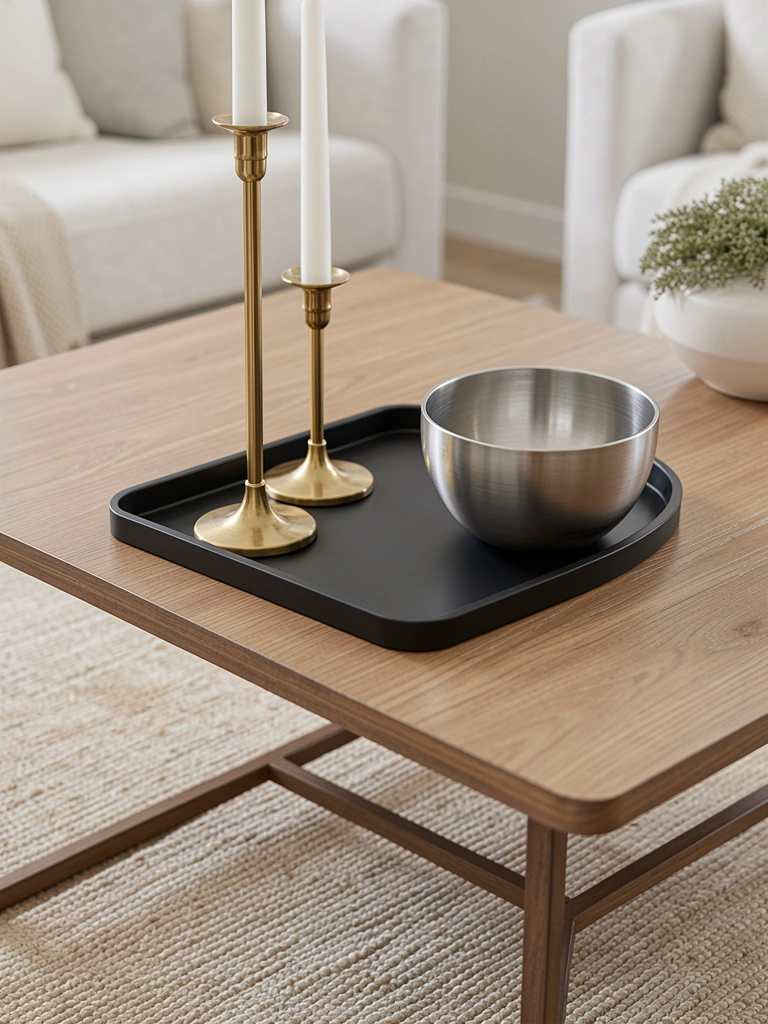
Combine brass, matte black, and brushed nickel in small decor items to add layered warmth without clutter. This resolves the clinical feeling beige rooms sometimes have by introducing subtle shine and variety. Keep metals balanced and intentional.
I like to repeat one metal three times (lamp, frame, hardware) and use a second metal in smaller pieces so the mix feels curated. Soft woods and linen cushions help the metals blend into a calm composition.
Shop this idea:
- Brass Taper Candle Holders Set of 2
- Matte Black Decorative Tray 14 Inch
- Brushed Nickel Decorative Bowl Medium
8. Built-In Shelves Styled in Beige
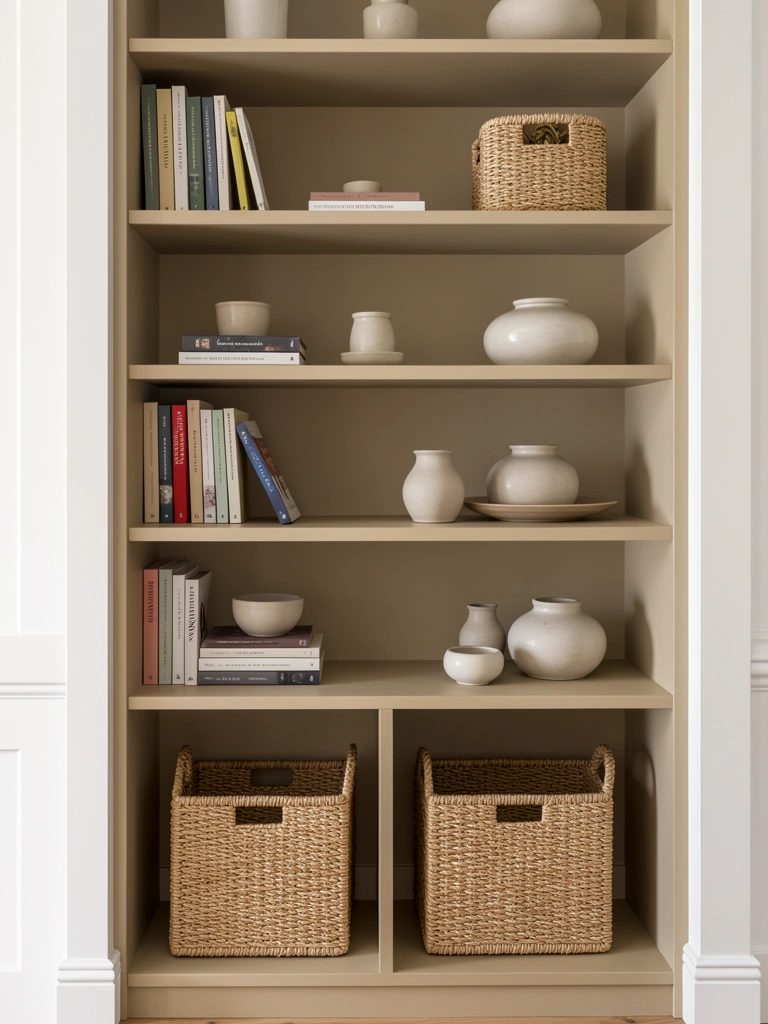
If you have built-ins, paint them a slightly darker beige than the walls and style with neutral ceramics, books with beige spines, and woven baskets. This provides storage and a cohesive curated look while solving clutter and visual chaos.
Vary heights and materials for rhythm: stack books horizontally, add one sculptural object per shelf, and tuck baskets for stowaway items. I always reserve one shelf for seasonal swaps; small changes keep the setup feeling fresh.
Shop this idea:
- Woven Storage Basket Set Natural
- Ceramic Decorative Vase Matte Beige
- Neutral Book Set Decorative 10 Pack
9. Monochrome Gallery Wall with Beige Mats
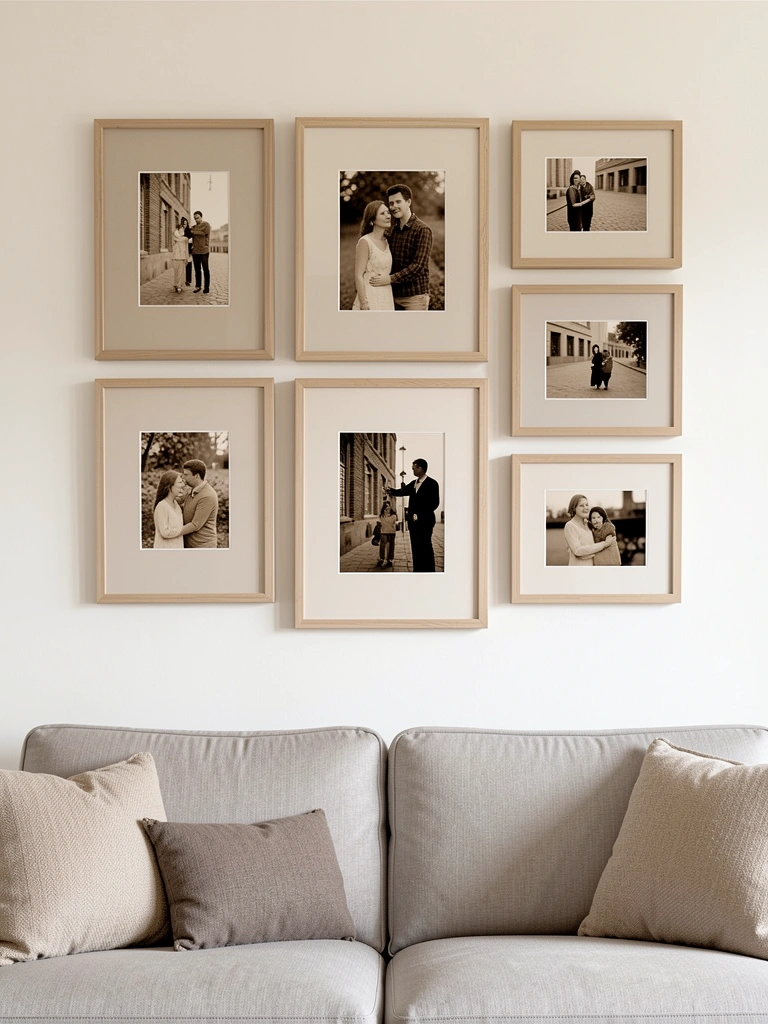
Create a gallery wall using artworks or photographs in sepia and beige tones, framed with matching beige mats. This keeps the wall cohesive and solves mismatched frame clutter. Stick to a consistent frame finish for cohesion.
Lay out frames on the floor first to find a balanced arrangement, then hang with even spacing. I often add one small mirror into the mix to catch light; it keeps the wall from feeling heavy while staying understated.
Shop this idea:
- Gallery Frame Set 8-Piece Natural Wood
- Beige Acid-Free Mat Board 11×14 Pack
- Command Picture Hanging Strips Medium
10. Lush Greenery to Lift Beige Neutrals
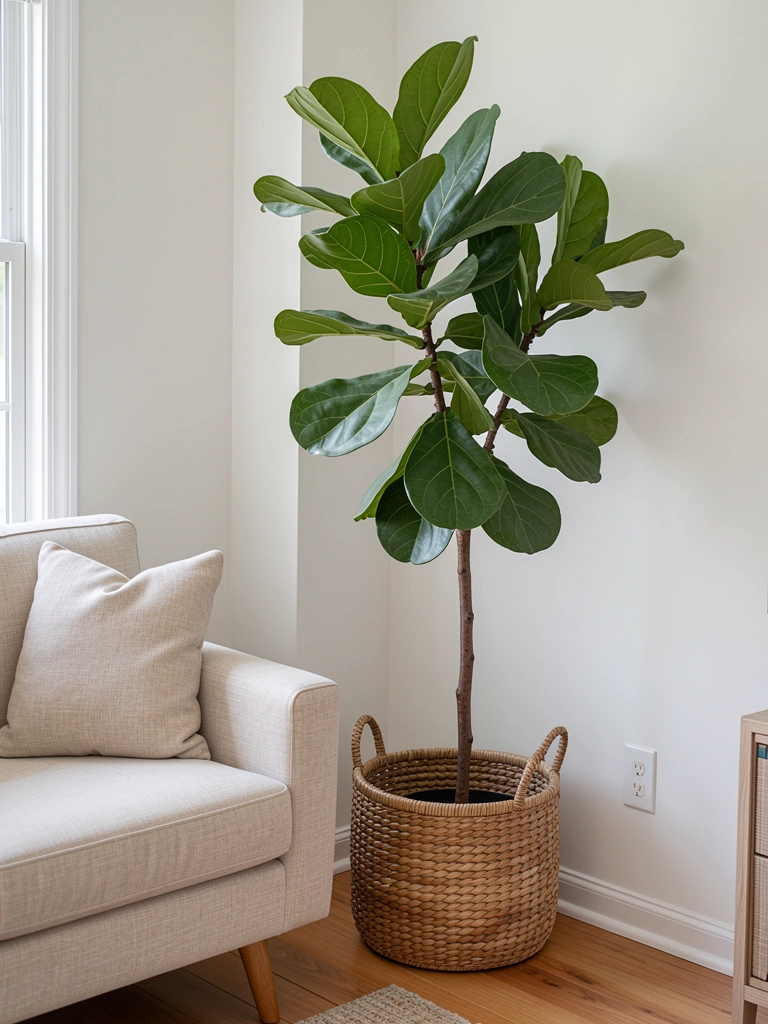
Introduce live or high-quality faux greenery to add life and contrast against beige tones. Plants solve the flatness and inject a natural pop without changing your color scheme. Choose sculptural shapes like fiddle leaf, rubber plant, or a tall palm for vertical interest.
Match planters to your palette—stone, woven, or matte ceramic—and place plants near light sources. I find that even a single large plant can refresh the whole room and make beige feel more connected to nature.
Shop this idea:
- Large Fiddle Leaf Fig Artificial Tree 6ft
- Woven Seagrass Plant Basket 14 Inch
- Ceramic Plant Pot Matte Taupe 10 Inch
11. Beige Fireplace Surround with Stone Texture
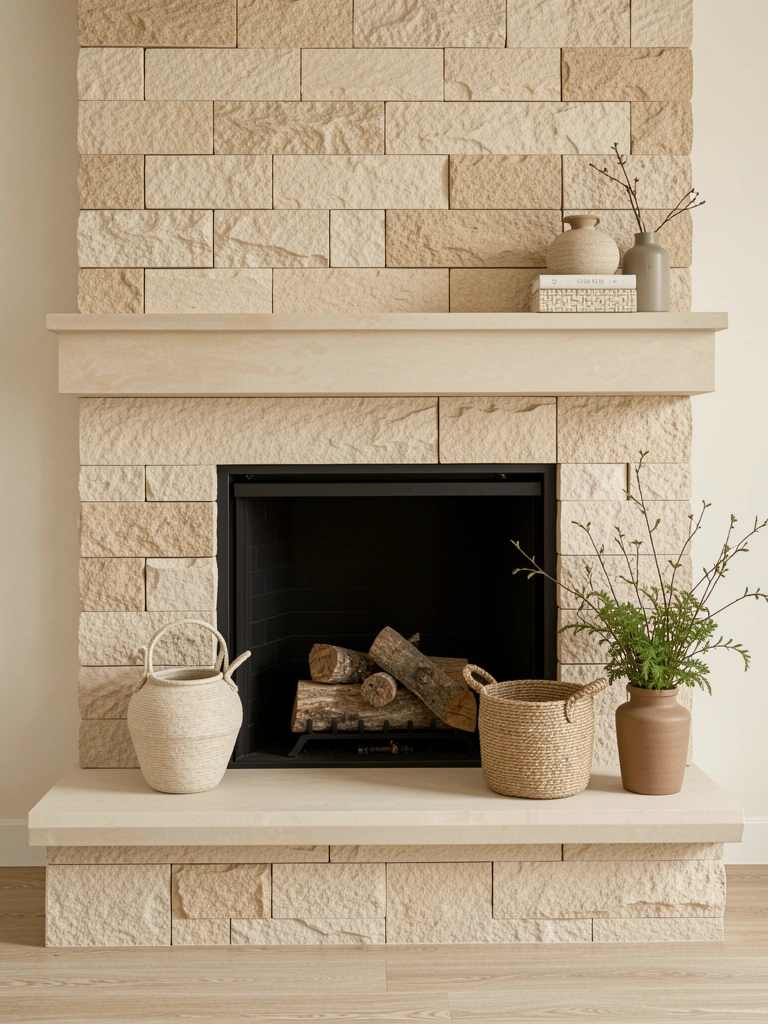
Use a stone or textured tile surround in a complementary beige to add tactile interest around your fireplace. The texture solves the “boring focal point” issue without adding color. Keep the mantel minimal so the material can read clearly.
Styling tips: one mirror or piece of art, a pair of simple candleholders, and a low basket for logs. I often choose neutral stones that pick up both warm and cool undertones so the fireplace ties into the rest of the room effortlessly.
Shop this idea:
- Beige Stone Fireplace Tile Peel and Stick
- Mantel Candle Holders Set Tall Brass
- Log Storage Basket Metal Woven
12. Linen Drapery for Soft Movement
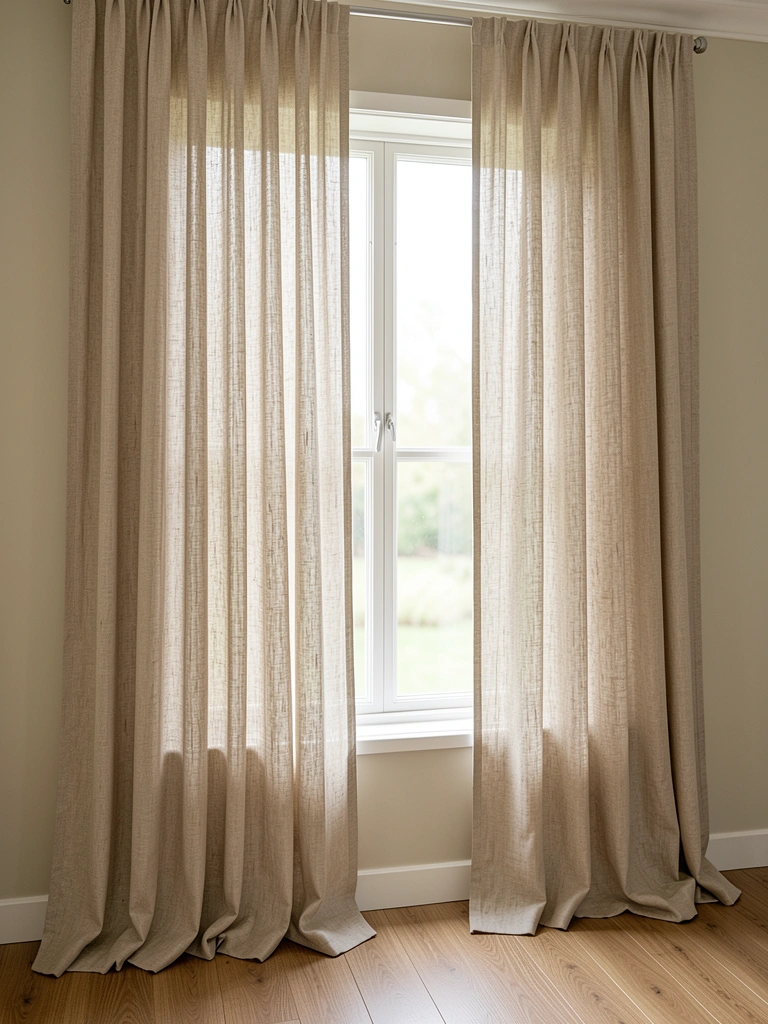
Opt for floor-to-ceiling linen drapery in a soft beige to add vertical lines and gentle movement. This addresses low ceilings and window framing issues by drawing the eye upward and softening harsh light. Light-filtering linen keeps the mood airy.
Pair with simple curtain rods in aged brass or matte black and let the curtains pool slightly for a relaxed tailored look. I always hang curtains high, even over the trim; it makes the whole room feel larger without shouting.
Shop this idea:
- 100% Linen Curtain Panels 50×96 Natural
- Adjustable Curtain Rod 48-84 Bronze
- Magnetic Curtain Tiebacks Leather Look
13. Natural Wood Coffee Table as Grounding Piece
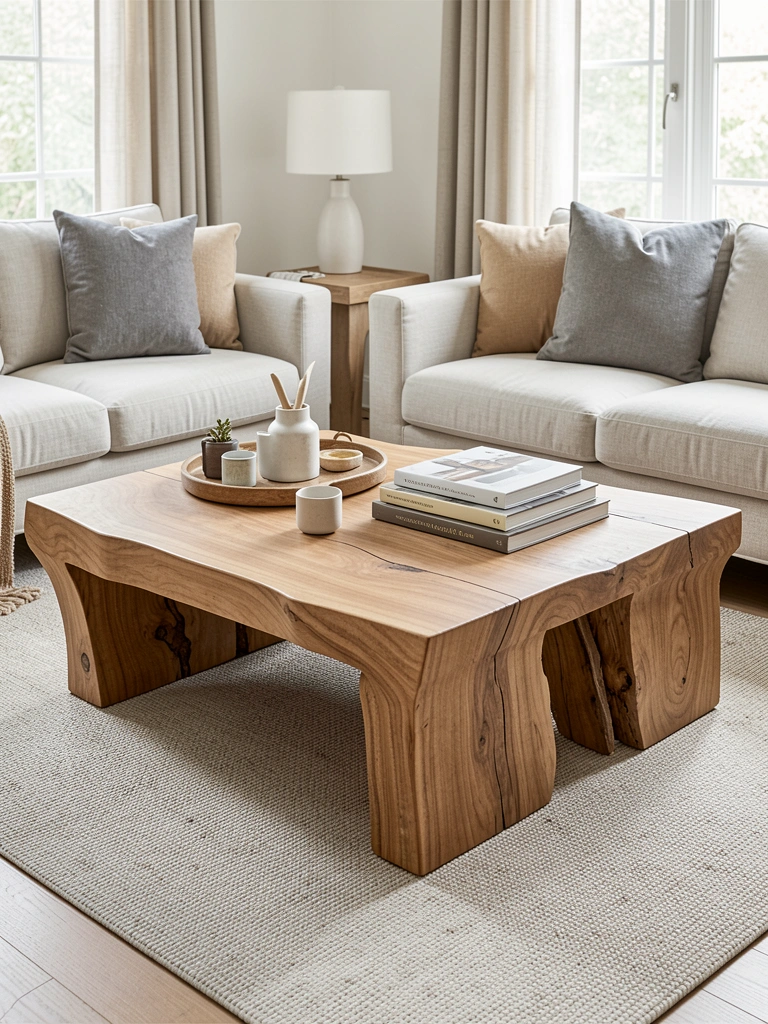
A solid natural wood coffee table gives warmth and structure in a beige room. It solves the “floating seating” problem by providing a tactile center for styling and everyday use. Choose a table with visible grain and a simple silhouette.
Style with a textured tray, a small stack of books, and a low vase. I prefer a round table in tight layouts to improve flow; the wood tone keeps the palette warm while remaining neutral.
Shop this idea:
14. Low-Contrast Neutral Wallpaper for Interest
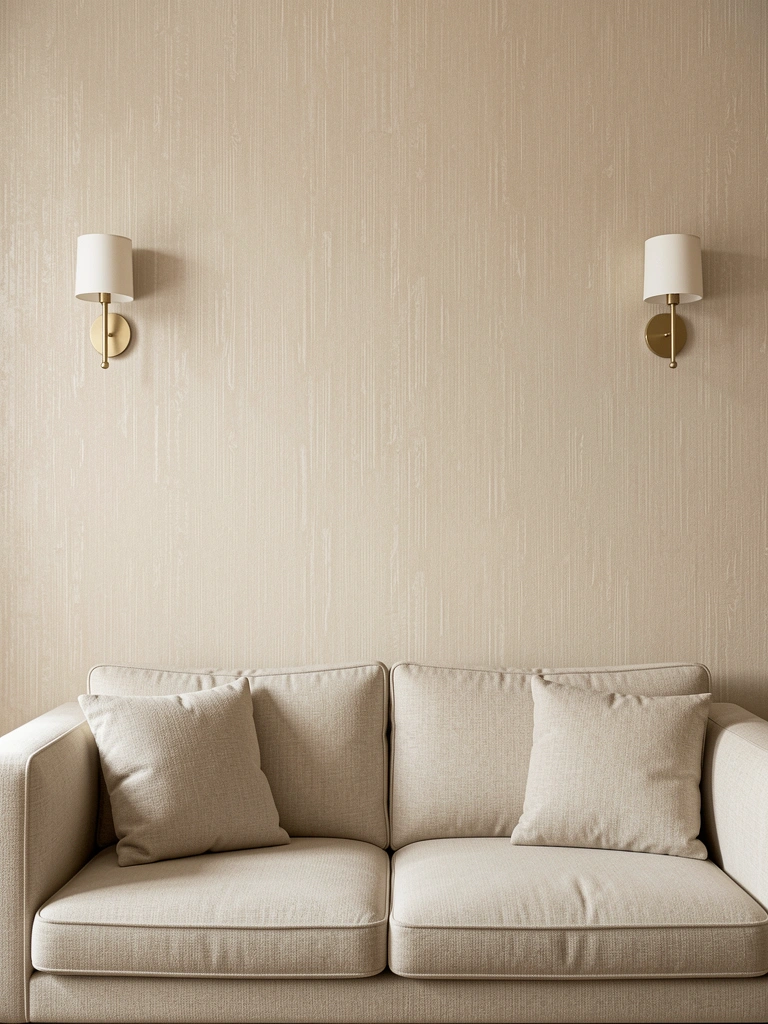
Choose a wallpaper with a subtle texture or tone-on-tone pattern in beige to add character without strong contrast. This solves the “lack of personality” problem while keeping the calming neutral feel. Use it on one wall as an accent to avoid overwhelming the space.
Coordinate sconces and minimal shelving that echo the wallpaper’s tone. I’ve used low-contrast patterns in rental rooms to add style without permanent changes; peel-and-stick options make updates easy.
Shop this idea:
- Peel and Stick Textured Beige Wallpaper Roll
- Adjustable Wall Sconce Matte Brass
- Floating Wall Shelf Narrow Natural Wood
Final Thoughts
Beige living rooms reward patience: texture, careful contrast, and thoughtful styling keep the palette calm and interesting. Start with one change—a sculptural light, a dark wood anchor, or layered rugs—and build from there.
Personally, I find small edits are the easiest way to refresh a neutral room without a full redesign. Which corner of your living room would you update first?
Relevant Articles