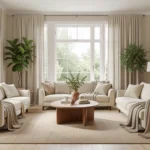

Beige living room walls are the quiet backbone of a cozy sitting room. With the right texture, trim, and layers you can make that neutral feel like a warm hug rather than bland background.
This list gathers 17 realistic ways to treat beige walls so your space reads layered, intentional, and lived-in. Each idea focuses on a single change you can visualize and achieve without overcomplicating the room.
17 Cozy Beige Living Room Walls Ideas
Here are practical, Pinterest-ready ways to make beige walls feel personal, textured, and intentionally warm—one approachable idea per photo.
1. Warm Sand Paint as a Soft Canvas
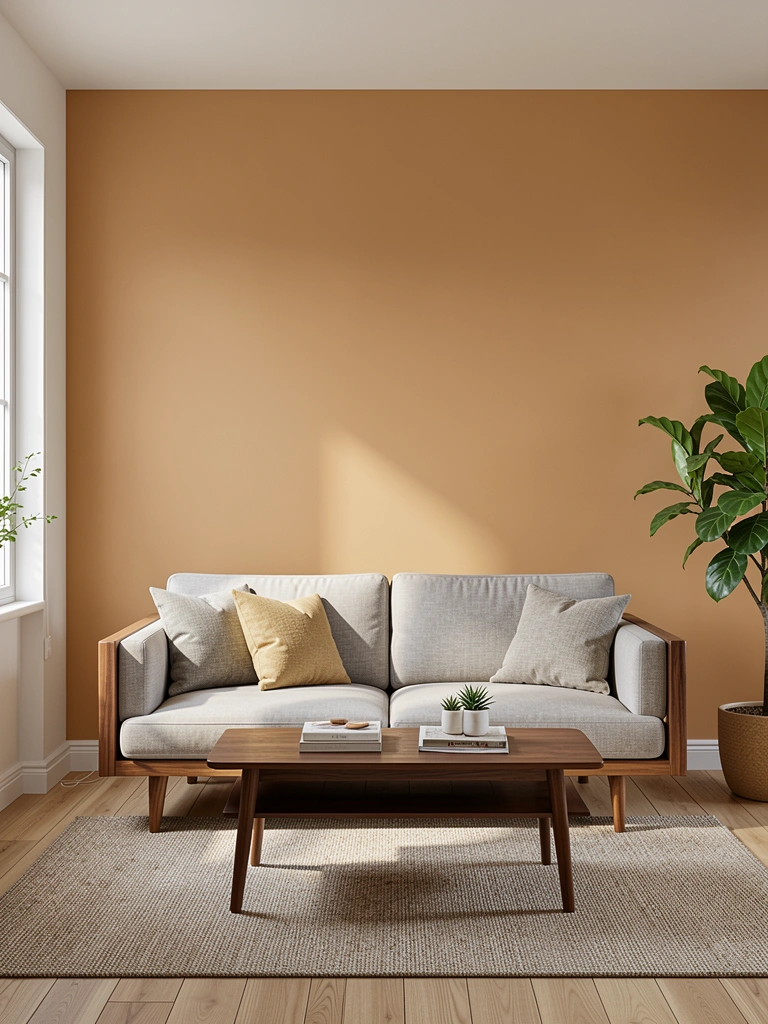
Paint the walls in a warm sand beige with an eggshell finish to create an inviting, forgiving backdrop. This smooth, light tone solves the problem of cold, stark rooms by reflecting soft daylight while keeping the palette neutral and cozy.
Pair the sand walls with raw wood furniture, a woven rug, and muted ochre accents. I always start with a large paint sample on the wall to watch it at different times of day before committing, since beige shifts subtly with light.
Shop this idea:
- Behr Interior Paint Sample – Warm Beige
- Angled Paint Brush Set for Smooth Finish
- Microfiber Paint Roller Kit for Walls
2. Soft Plaster Finish for Subtle Depth
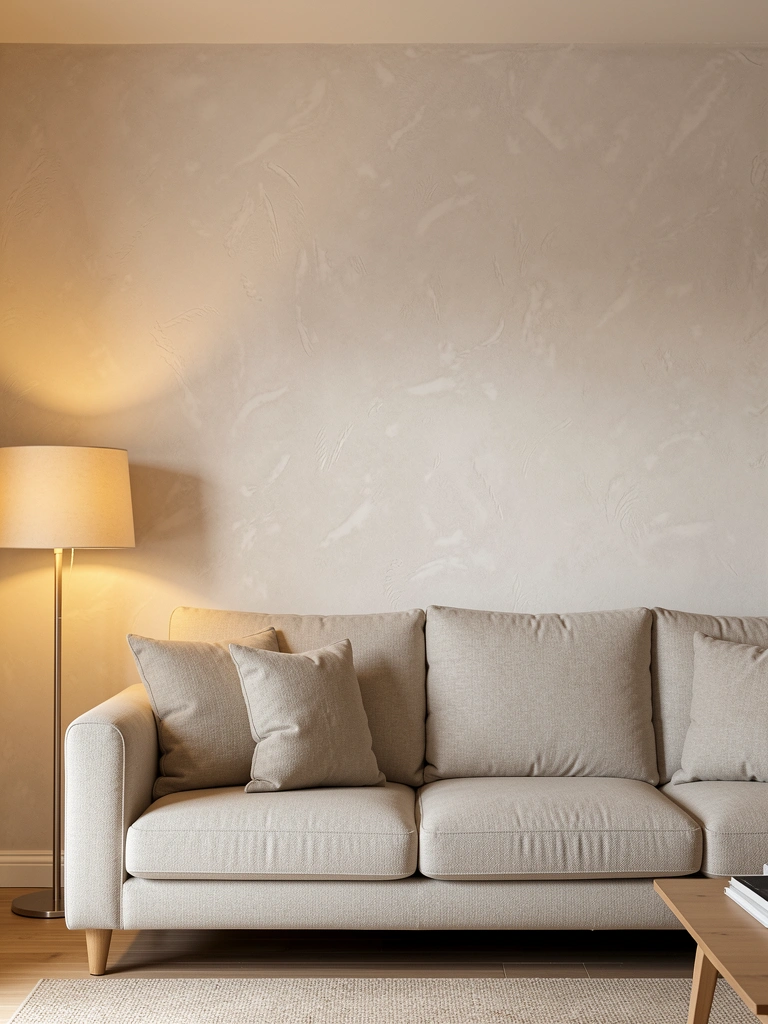
A thin lime plaster or Venetian plaster creates a soft, tactile finish on beige walls. The gentle mottling adds depth so the walls feel artisanal rather than flat, which helps disguise small imperfections and warms the whole room.
When I apply plaster, I keep the streaking subtle and seal with a matte wax to maintain warmth without shine. Layer ivory linen cushions and an oak coffee table for balanced texture against the plastered wall.
Shop this idea:
3. Tonal Striated Wallpaper for Gentle Pattern
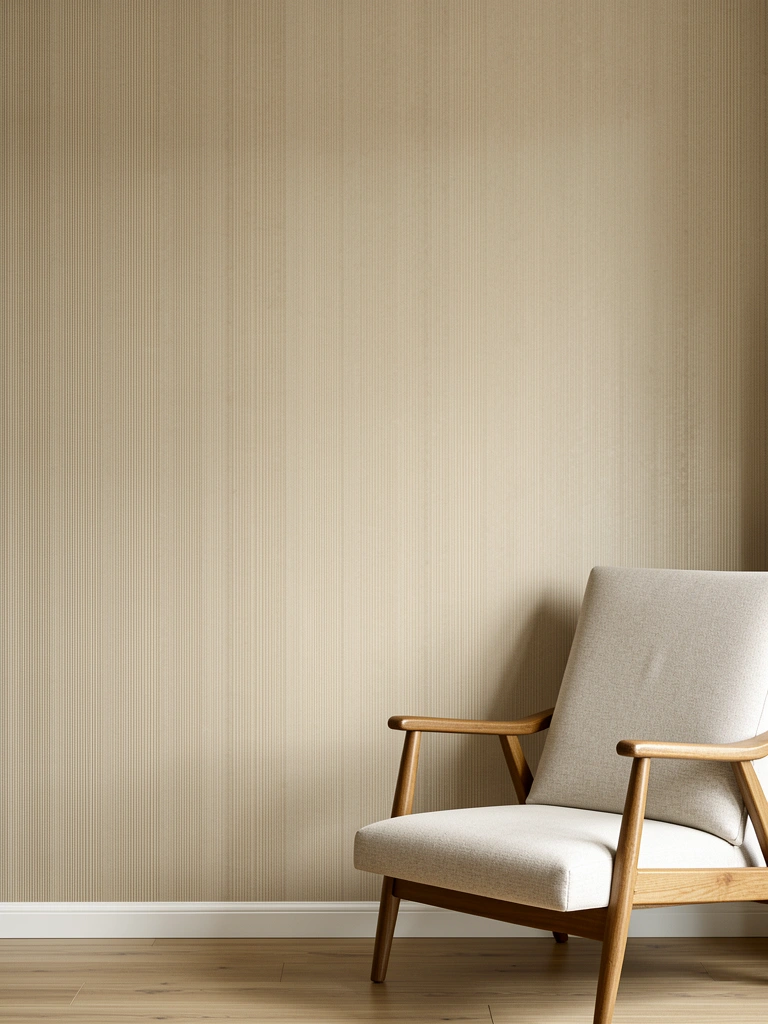
Choose a wallpaper with a tone-on-tone striation or grasscloth texture in beige. It introduces pattern without high contrast, solving the “boring wall” problem while keeping the room calm and cohesive.
I like to match the wallpaper with wood tones and soft metallics; a brass lamp reads warm against the beige pattern. For renters, peel-and-stick vinyl grasscloth gives the same look with less commitment.
Shop this idea:
- Peel and Stick Grasscloth Wallpaper – Neutral Stria
- Wallpaper Smoothing Tool Kit
- Command Heavy Duty Picture Hanging Strips Pack
4. Tonal Wainscoting to Anchor Seating Areas
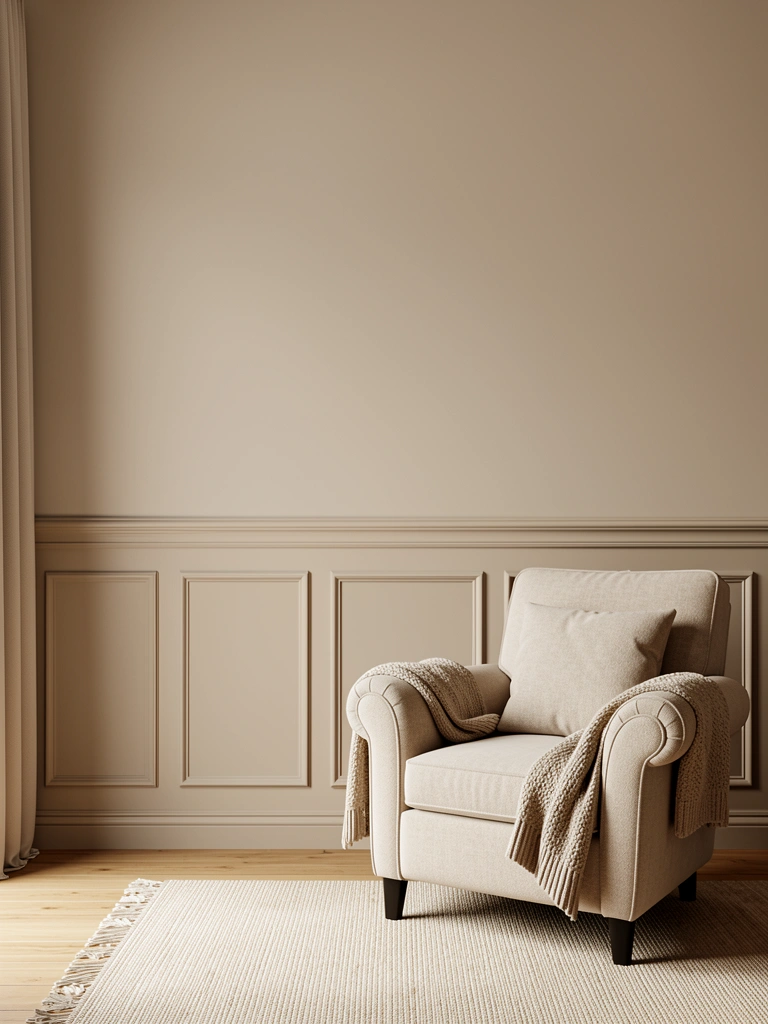
Install low-profile wainscoting painted a shade darker than the upper beige to add classic proportion and protect walls in high-traffic seating zones. This approach visually anchors furniture and prevents scuffs on the lower wall.
I prefer shallow panels with soft corners to keep the look cozy rather than formal. Pair the wainscoting with a plush rug and layered throws; I often choose slightly warmer trim paint so the wall reads intentionally tonal.
Shop this idea:
- Beadboard Wainscoting Panel Kit
- Construction Adhesive for Trim Installation
- Trim Nail Set and Hammer
5. Slightly Darker Taupe Trim for Elegant Definition
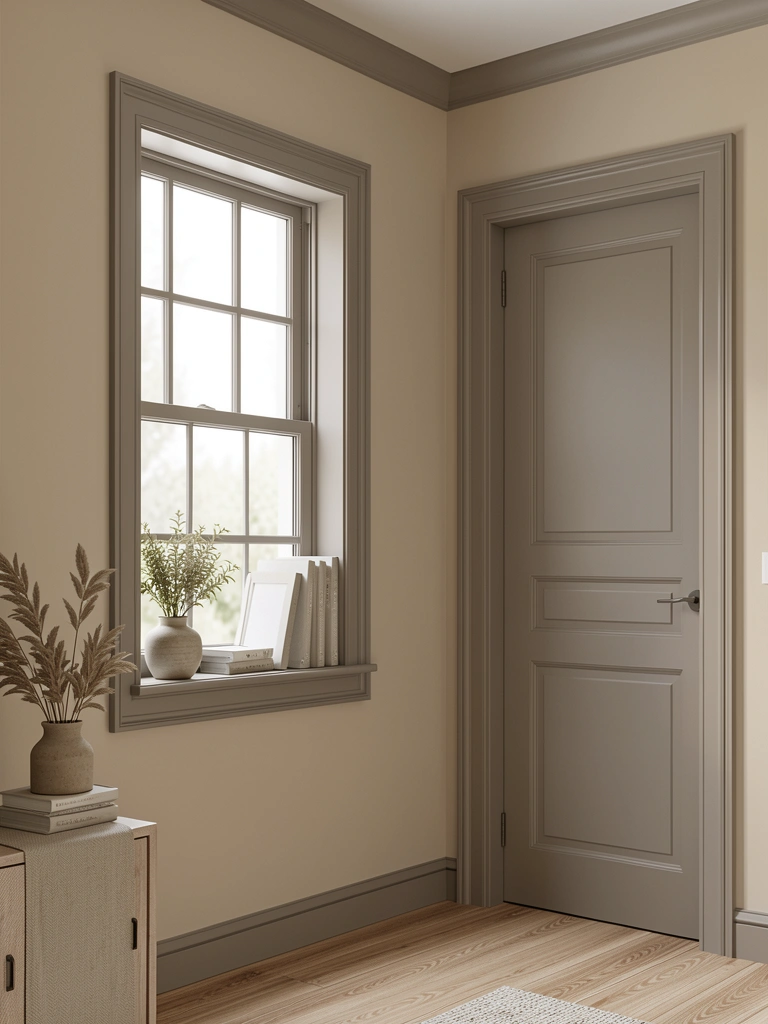
Paint door and window trim in a slightly darker taupe instead of bright white. That small tonal contrast frames the architecture gently and keeps the room from looking too sterile.
When I choose trim tones, I sample on all four walls; the trim color should read intentionally related to the wall. Add warm metal hardware and woven rugs to reinforce the cozy, layered feeling.
Shop this idea:
- Interior Trim Paint Sample – Taupe
- Painter’s Angled Sash Brush for Trim
- High-Quality Painter’s Tape – Low Residue
6. Floor-to-Ceiling Linen Drapery for Height and Warmth
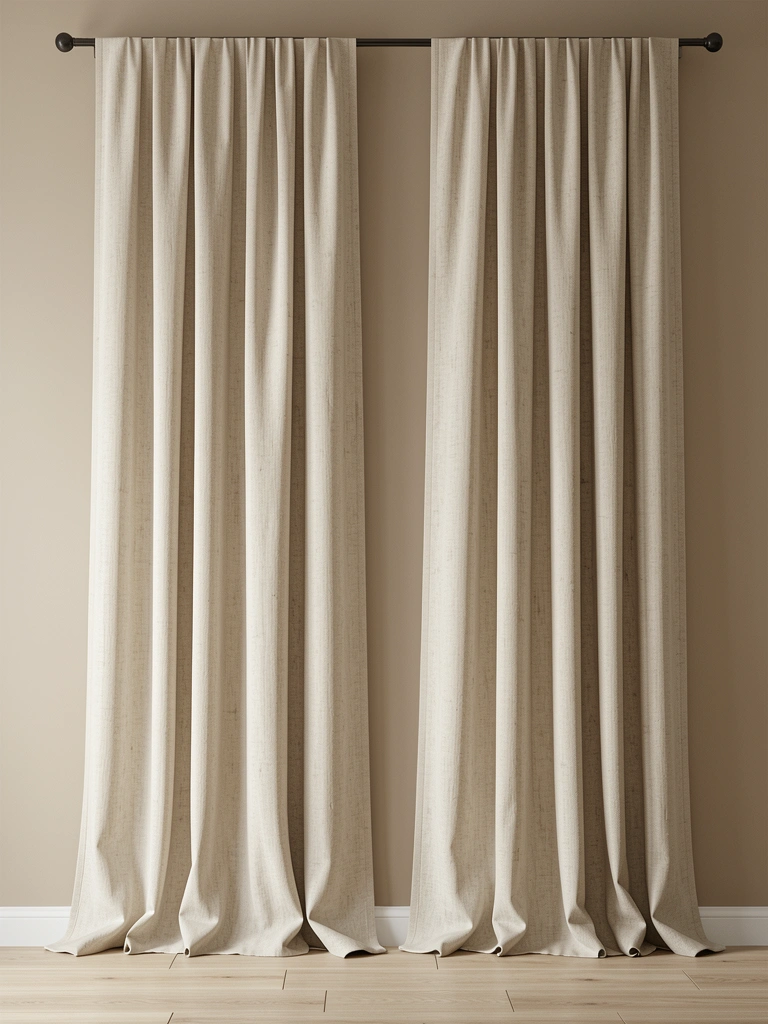
Hang natural linen curtains from near the ceiling to the floor against beige walls to create a soft vertical frame and make ceilings feel taller. The gentle folds add texture and warmth without introducing heavy color.
I prefer unlined or lightly lined linen so sunlight filters softly through, warming the beige walls. Add layered window hardware in brushed brass and a simple sheer behind for privacy when needed.
Shop this idea:
- Lightweight Natural Linen Curtain Panels
- Adjustable Ceiling-Mount Curtain Rod Kit
- Weighted Curtain Clips for Soft Drape
7. Monochrome Gallery Ledge for Personal Art Rotation
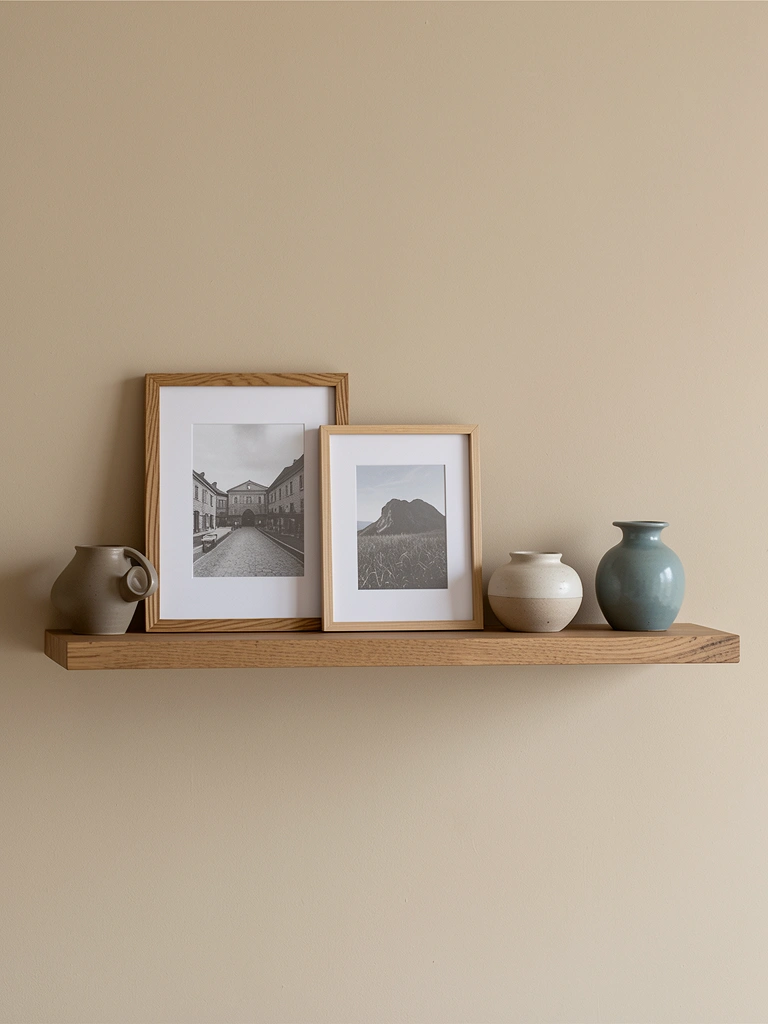
Install a single wooden gallery ledge on a beige wall to make art rotation effortless. This keeps the wall curated and cozy, solves hole-marking from frequent changes, and lets your space evolve over time.
I use frames in warm wood and off-white mats for a calm, collected look, and I rotate pieces seasonally. Having one ledge reduces the stress of perfect layout and keeps the wall feeling intentional.
Shop this idea:
8. Built-In Shelves Painted Beige for Seamless Storage
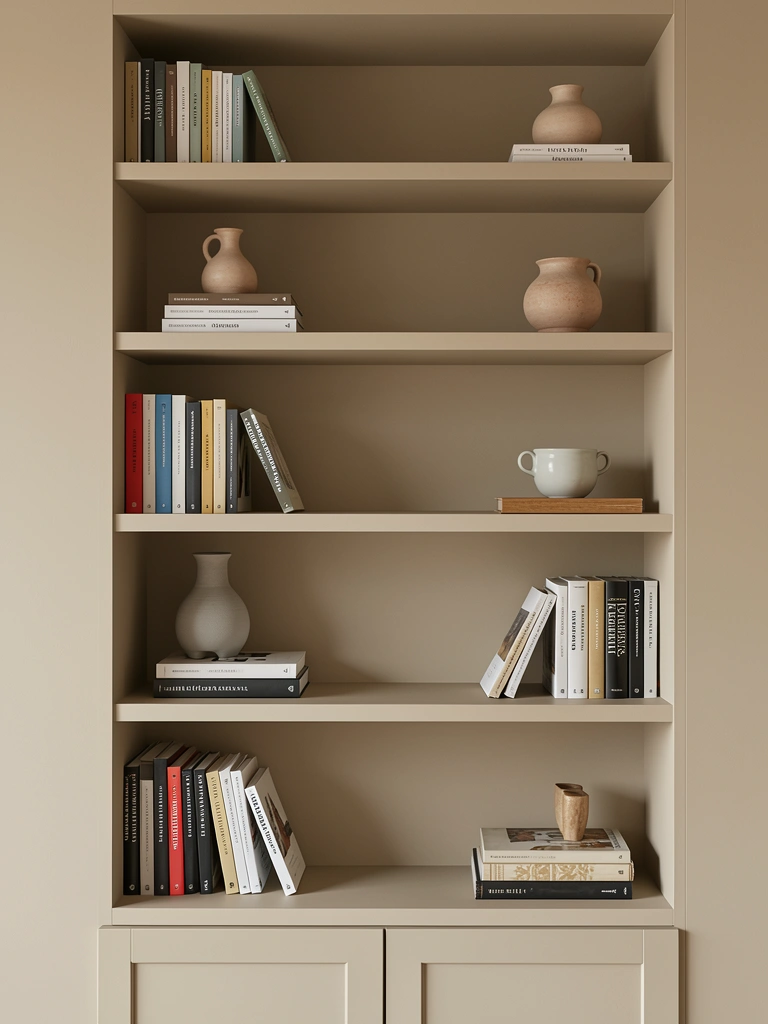
Have built-in shelves painted the same beige as the walls to make storage feel integrated rather than an afterthought. This approach visually widens the wall and keeps focus on objects instead of the shelving structure.
I style shelves with edited vignettes—books stacked horizontally, one ceramic cluster, and a plant—so the beige backdrop reads calm. Painting the back of the shelves the same tone keeps everything cohesive.
Shop this idea:
- Floating Shelf Bracket Hardware Kit
- Set of Ceramic Decorative Vessels
- Neutral Woven Storage Baskets – Set of 3
9. Beige Ombre Accent Wall for Soft Movement
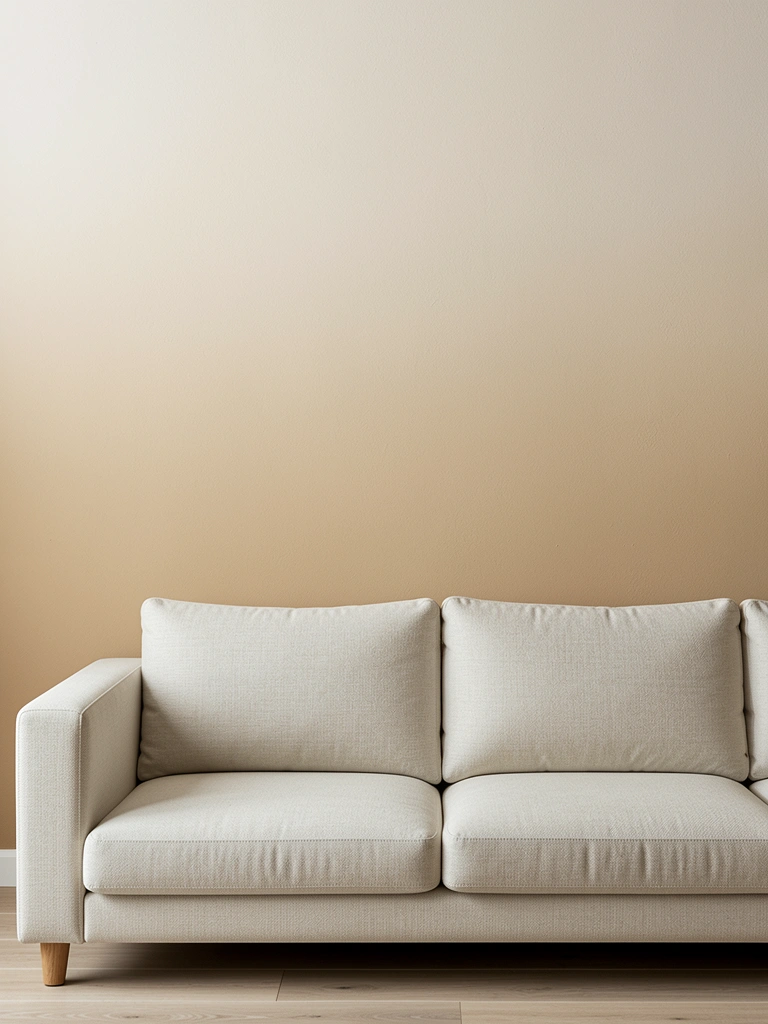
Create a gentle ombre wash from light beige at the top to a deeper sand near the base. This introduces visual movement and makes ceiling lines feel softer while keeping everything within the beige family.
I hand-blend small sections with a wide brush for a painterly effect that reads organic. Pair with simple modern furniture so the wall remains the room's unifying backdrop.
Shop this idea:
10. Vertical Tongue-and-Groove Paneling for Warm Rhythm
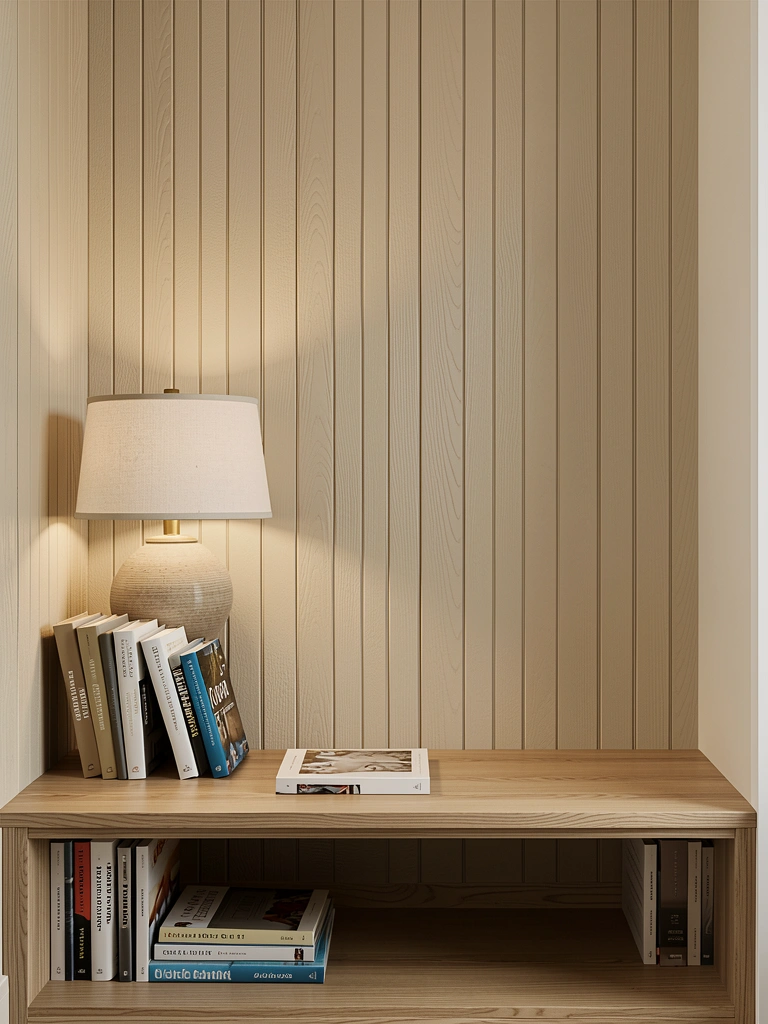
Add tongue-and-groove vertical paneling painted in a warm beige to introduce rhythm and subtle shadow lines. The verticality lifts the room and adds architectural interest without heavy contrast.
I recommend a slim profile to keep the look modern and cozy. Finish with matte paint to avoid glare; I often style a nearby leather chair to add tactile contrast.
Shop this idea:
- Tongue and Groove Wall Panel Kit – Narrow Profile
- Construction Adhesive for Paneling
- Finish Nails and Nail Gun Combo
11. Textile Wall Hanging for Tactile Focus
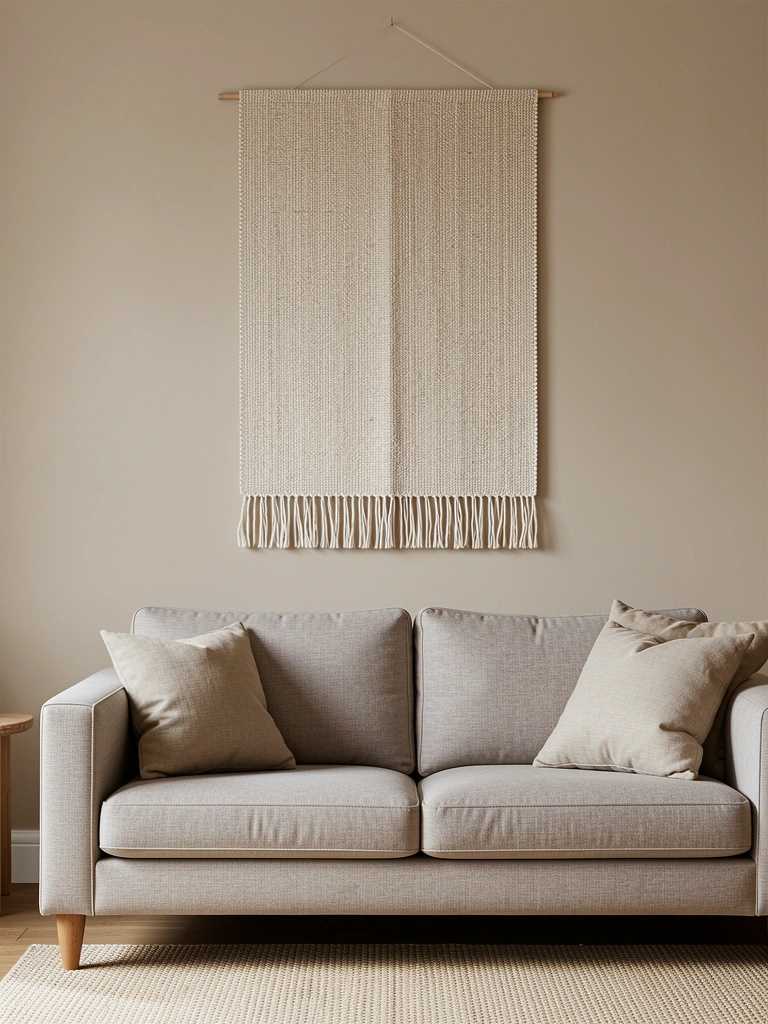
Hang a large woven textile or wool tapestry on a beige wall to add softness and absorb sound. This solves echo in taller living rooms while bringing handcrafted texture into the neutral palette.
I favor pieces with subtle tonal patterns that pick up hints from the room. The tapestry becomes the focal point without adding color that competes with beige surroundings.
Shop this idea:
- Handwoven Neutral Wall Hanging Tapestry
- Heavy Duty Wall Hanging Dowel and Hooks
- Acoustic Felt Panels – Beige Tone
12. Decorative Moulding Grid for Subtle Geometry
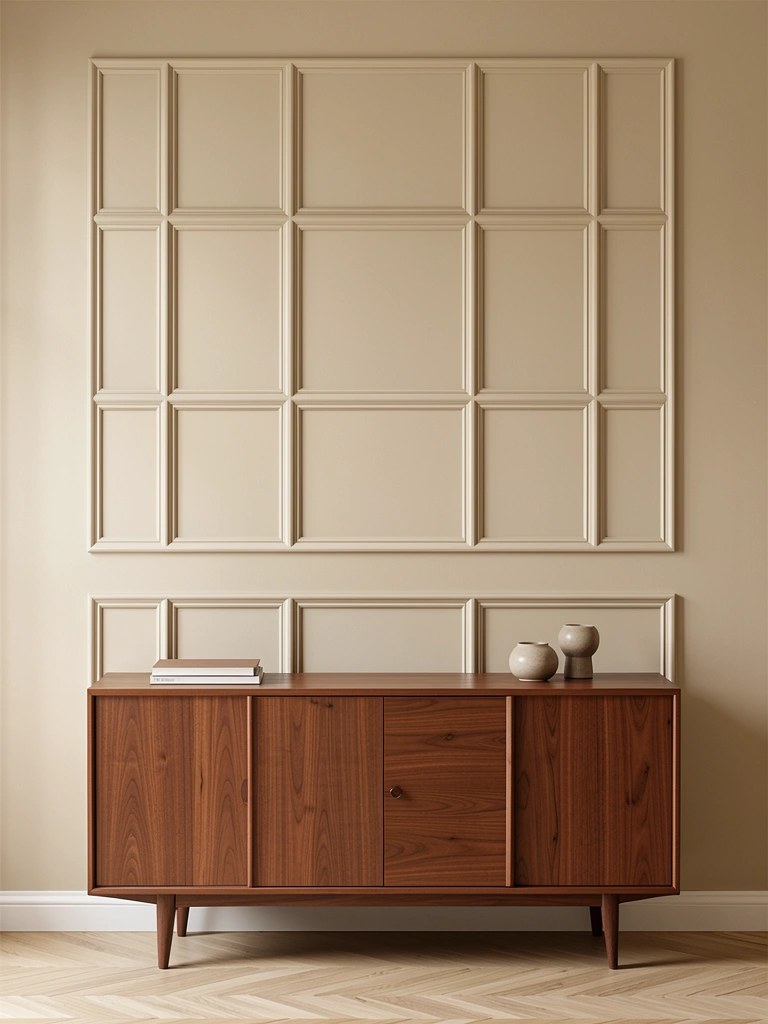
Install a shallow moulding grid on beige walls for understated geometry that suggests formality without fuss. The grid creates a balanced backdrop for furniture groupings and anchors artwork or a mirror.
I keep the moulding and wall the same color to preserve softness; shadow lines do the visual work. Small vignettes on a sideboard read intentional when set against this structured canvas.
Shop this idea:
- MDF Picture Frame Moulding Strips
- Moulding Adhesive and Finishing Caulk
- Caulking Tool Kit for Seamless Joints
13. Pair of Sculptural Wall Sconces for Cozy Lighting
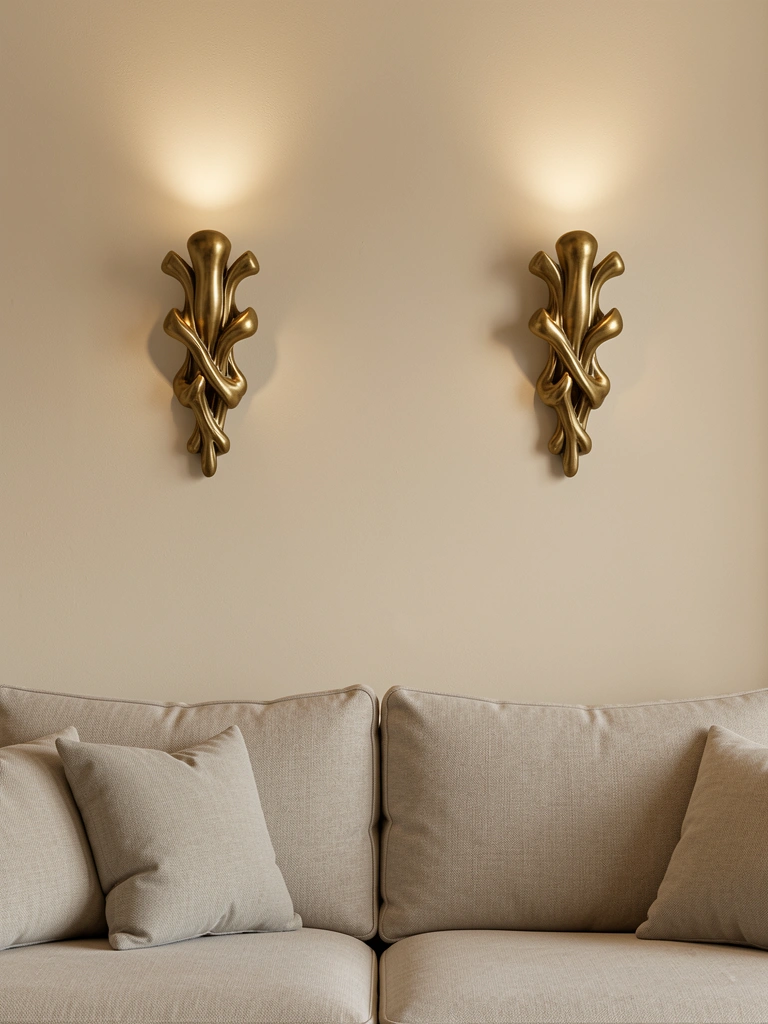
Mount a pair of sculptural wall sconces on a beige wall to add layered light and a subtle focal point. Sconces warm the wall and create cozy pools of glow for reading and conversation.
I place them to frame a sofa or artwork and choose finishes like aged brass for warmth. Wiring can be hardwired or plug-in for renters; I often pick plug-in for flexibility.
Shop this idea:
- Brass Plug-In Wall Sconce with Fabric Shade
- Dimmer Switch for Warm Ambience
- Cord Concealer Kit for Neat Installation
14. Oversized Round Mirror to Enlarge the Beige Room
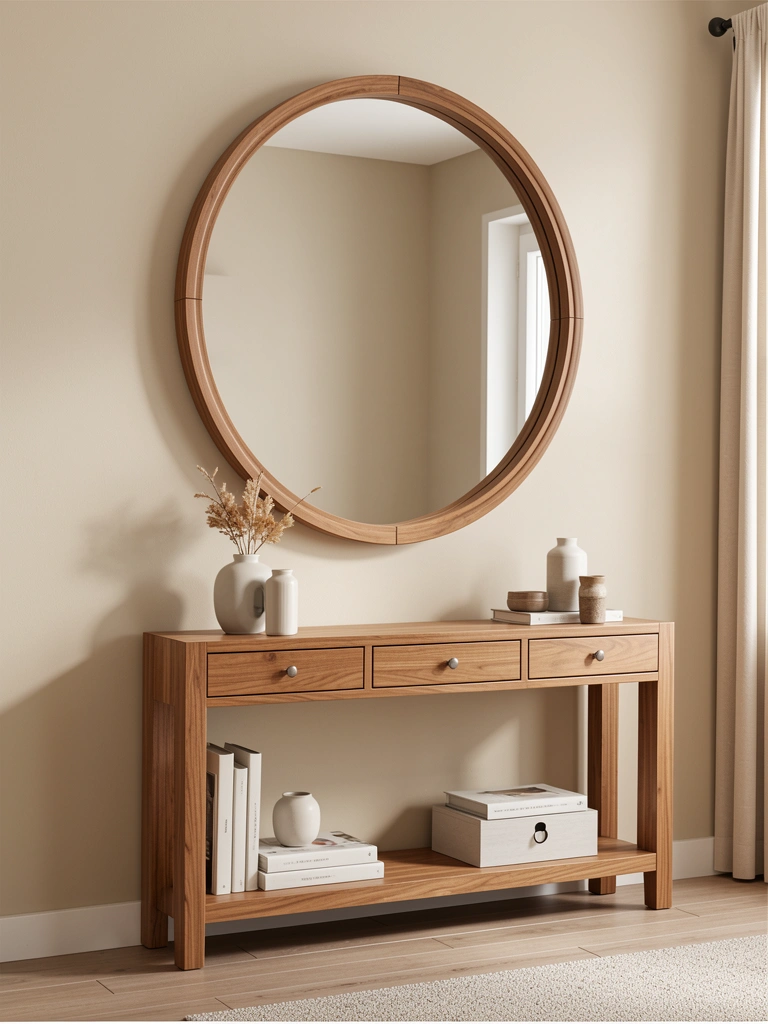
A large round mirror on a beige wall reflects light and makes the space feel larger. The mirror solves the problem of tight sight lines and adds a soft sculptural element.
I prefer a warm wood frame to keep the effect cozy rather than cold. Position the mirror opposite a window if possible so it bounces daylight into darker corners.
Shop this idea:
- Large Round Wood Framed Mirror – Neutral Finish
- Mirror Hanging Hardware Kit Heavy Duty
- Anti-Tip Wall Anchors – Mirror Safety
15. Subtle Two-Tone Wall with Deeper Lower Half
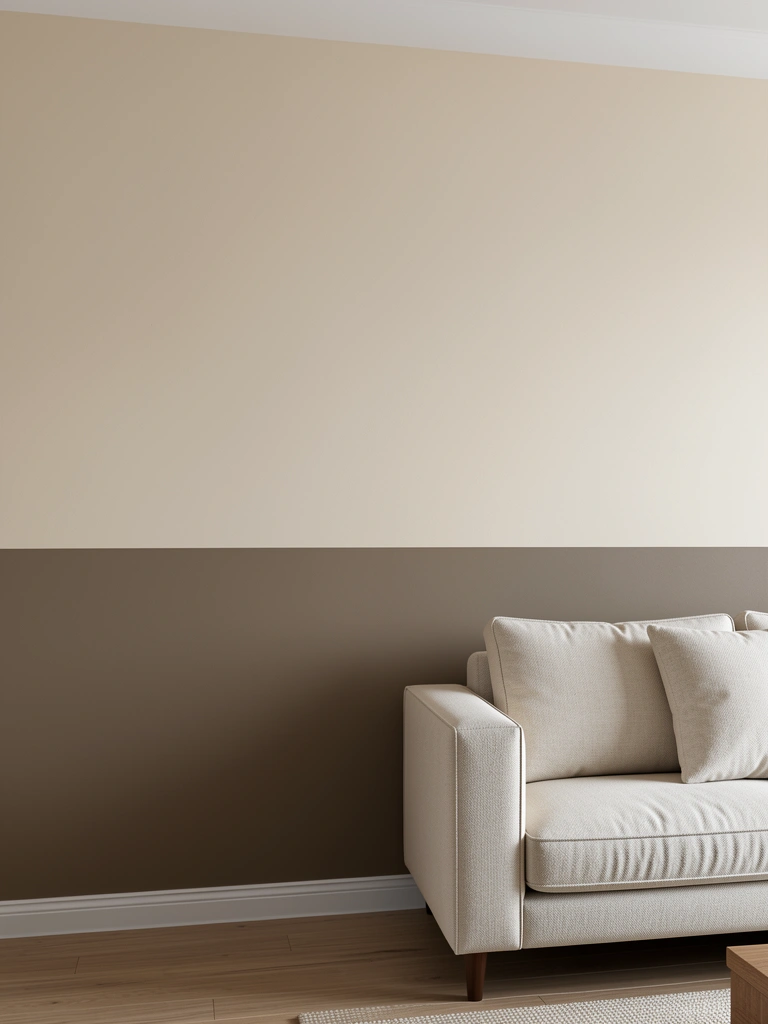
Paint the lower third of the wall in a deeper camel or mushroom tone, leaving the upper two-thirds lighter beige. This two-tone approach grounds furniture and hides scuffs while keeping the look sophisticated.
I use a crisp horizontal line or a thin trim to separate tones for a tailored finish. Layer in textural rugs and cushions so the lower tone feels intentional and cozy.
Shop this idea:
- Painter’s Edge for Crisp Horizontal Lines
- Sample Quart Paint – Deep Camel Tone
- Satin Finish Roller for Smooth Coverage
16. Subtle Metallic Glaze for a Touch of Warmth
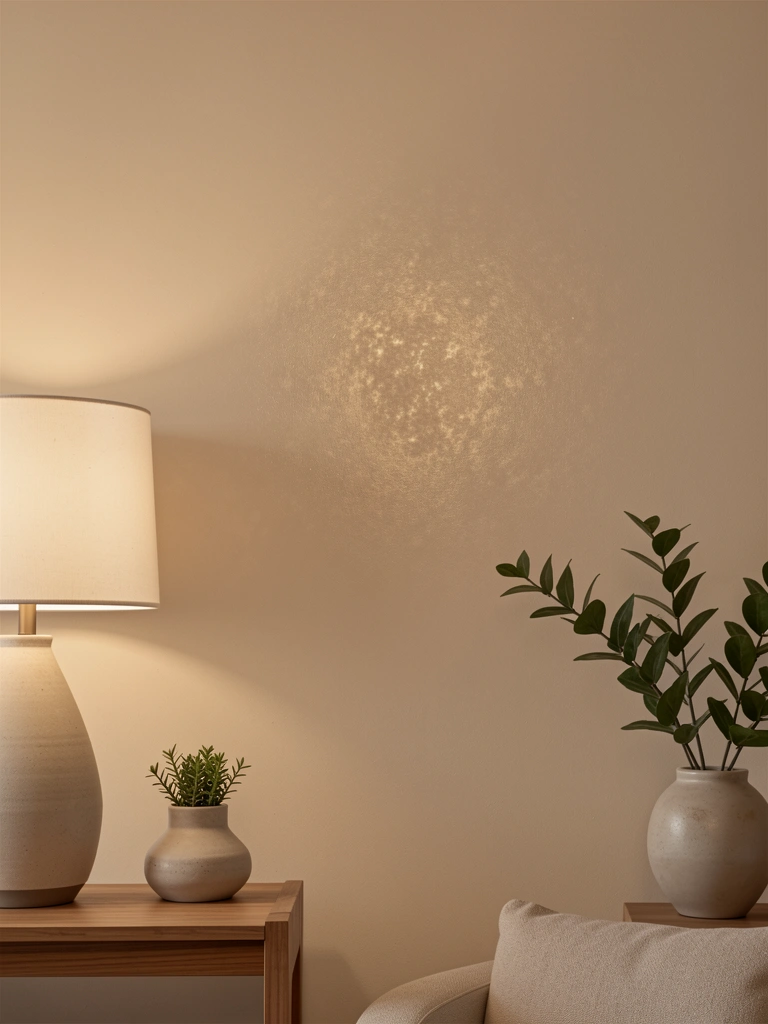
A translucent metallic glaze over beige paint adds a soft pearlescent sheen that catches light without looking glossy. This solves the need for interest on expansive walls while keeping the palette neutral.
I apply the glaze sparingly with a large brush and buff gently. It reads particularly beautiful in evening light; I often add brass accessories so the metallic echo feels deliberate.
Shop this idea:
17. Tonal Mural with Organic Sand Motifs
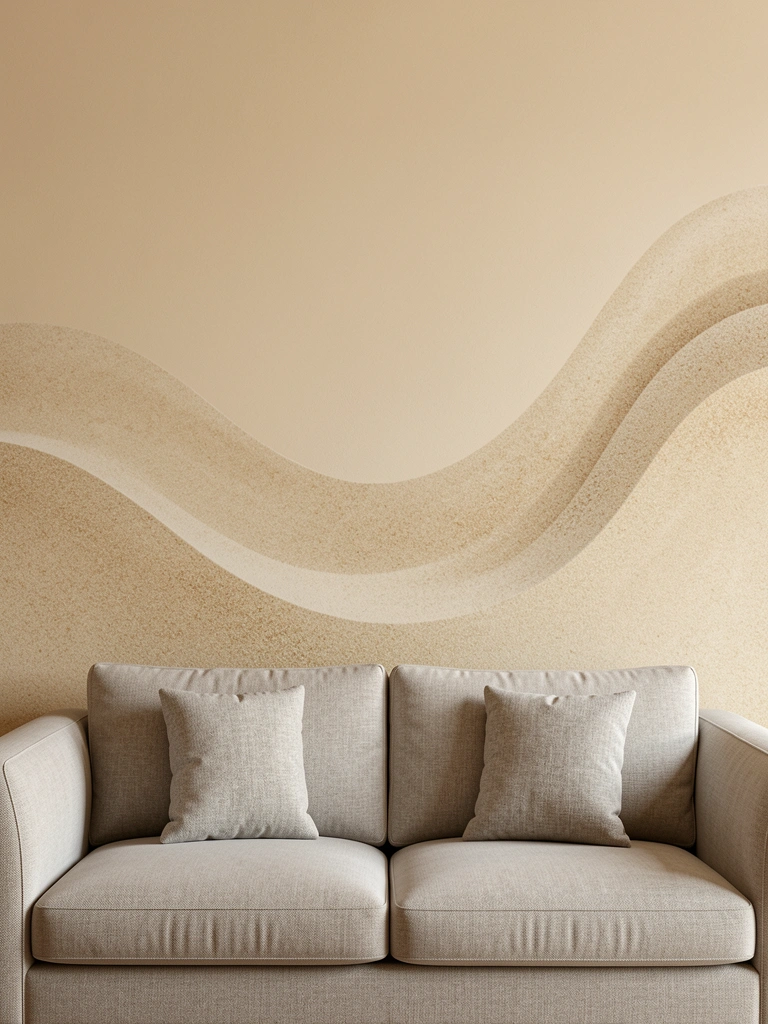
Commission or paint a low-contrast mural in tonal sand shapes to add artistry without overwhelming the beige scheme. A mural creates interest and a bespoke feeling while staying soothing and neutral.
I sketch the mural lightly and work in layers so it feels like a gentle landscape rather than a bold statement. Pair it with textured linens and simple frames to keep the focus soft and personal.
Shop this idea:
- Artist’s Acrylic Paint Set – Neutral Earth Tones
- Fine Detail and Wash Brushes Set
- Wall Primer for Mural Preparation
Final Thoughts
Beige living room walls are incredibly flexible. With small changes—texture, trim, lighting, or an artful layer—you can make a neutral wall feel intentional and warm. I often encourage clients to start with one wall detail and live with it for a month to see how light and daily life interact with the finish.
Which of these beige wall ideas fits your comfort level: a simple paint shift, added moulding, or a tactile wall treatment? I’d love to hear which one you try first.
Relevant Articles